
How to Choose a Career: A Guide to Finding Your Path

The pressure to choose the “right” career is real, but it gets easier when you take the time to explore your strengths, priorities, goals, and options.
Updated:
|

16 min read

Table of Contents


The best career choices usually come from balancing meaningful work with practical realities like financial stability, growth opportunities, and long-term lifestyle fit.
To learn how to choose a career path, evaluate your interests, strengths, values, lifestyle goals, salary needs, and preferred work environment. Explore different industries, research career demand and education requirements, talk to professionals, and test career interests through hands-on experience whenever possible.
The 12 steps below can help first-time career seekers and career changers alike explore options more confidently and narrow choices that align with their goals, priorities, and strengths.
How to Choose a Career: Step-by-Step Guide
Choosing a career often becomes easier when you break the process into smaller steps and compare your options side by side.
The guide below (and the accompanying decision worksheet) can help you evaluate potential career paths based on factors like salary, work-life balance, education requirements, job outlook, and long-term goals.
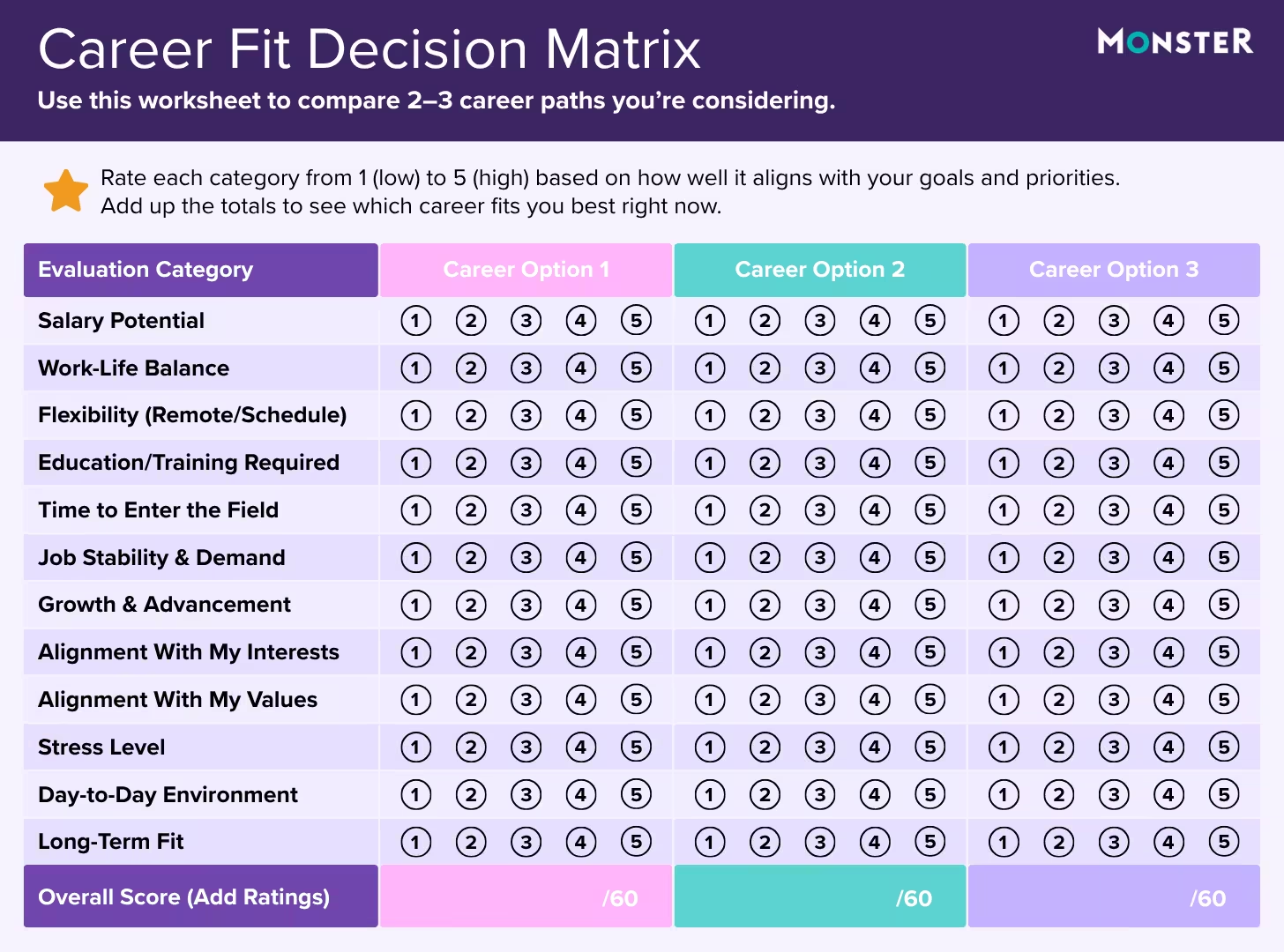
- Step 1:
Reflect on What You Enjoy & Do Well
One of the best ways to start choosing a career is by identifying the types of work, environments, and activities you naturally enjoy.
While you don’t need to (and probably shouldn’t) turn every hobby into a source of income, the things that consistently hold your attention can reveal important clues about what kinds of careers may fit you best.
Start by thinking about situations where you’ve felt engaged, confident, motivated, or accomplished. These experiences can come from school, work, hobbies, sports, volunteering, side projects, internships, caregiving, or everyday responsibilities.
Ask yourself questions like:
- What types of tasks do I genuinely enjoy doing?
- What subjects or topics naturally interest me?
- What kinds of problems do I enjoy solving?
- What do people frequently compliment me on?
- When do I feel most productive or motivated?
- What types of environments drain or energize me?
It’s also important to identify your natural strengths. Some people thrive in highly social or collaborative environments, while others prefer independent, analytical, creative, technical, or hands-on work. Understanding how you naturally operate can help you avoid careers that clash with your personality or working style.
Also note what you know you don’t like. For instance, someone who dislikes highly repetitive work or constant customer interaction may want to avoid careers centered around those responsibilities.
- Step 2:
Identify Your Needs, Priorities, & Lifestyle Goals
It’s important to think beyond passion alone and evaluate what you realistically need from a career. Your priorities, responsibilities, and long-term lifestyle goals are some of the key things to consider when choosing a career, such as:
- Salary expectations and financial needs
- Schedule flexibility
- Remote, hybrid, or in-person work preferences
- Work-life balance
- Long-term job stability
- Advancement opportunities
- Travel requirements
- Physical demands
- Stress levels and work pace
- Geographic limitations
You should also think realistically about how much time, money, and energy you can dedicate to education or training. Some careers require years of schooling, licensing, certifications, or unpaid experience before becoming financially stable, while others offer faster or more affordable entry paths.
For example, someone interested in healthcare may ultimately decide between careers with very different educational timelines and financial investments, such as becoming a registered nurse, medical assistant, physical therapist, or healthcare administrator.
- Step 3:
Consider Your Values & Motivations
Your values play a major role in whether a career feels fulfilling long-term. Even a high-paying role or stable job can feel draining if it conflicts with what matters most to you personally or professionally.
Think about what intrinsically motivates you. Some people are driven by creativity, purpose, leadership, recognition, independence, helping others, innovation, financial security, or making an impact. Others may prioritize stability, autonomy, collaboration, continuous learning, or opportunities for advancement.
Ask yourself questions like:
- What kind of impact do I want my work to have?
- What motivates me to work hard?
- Do I value creativity, structure, independence, or collaboration?
- How important are salary, status, or advancement opportunities to me?
- What kind of work would feel meaningful or rewarding?
- Step 4:
Explore Different Industries, Sectors, & Work Environments
An important part of learning how to choose a career is understanding the differences between industries, sectors, and work environments.
Exploring broad career categories can help you discover paths that better align with your interests, strengths, and preferred work environments. Different industries, sectors, and work environments can offer very different schedules, responsibilities, cultures, growth opportunities, and lifestyles.
Industries Work Environments Sectors • Healthcare
• Technology
• Skilled trades
• Business and finance
• Education
• Marketing and communications
• Creative careers
• Government and public service
• Nonprofit work
• Science and research
• Manufacturing and logistics• Remote, hybrid, or in-person
• Office, outdoor, clinical, or hands-on
• Flexible or fixed schedules
• Customer-facing or behind-the-scenes
• Team-based or independent
• Fast-paced or lower-pressure
• Travel-heavy or stationary• Private sector
• Public sector
• Nonprofit sectorAs you review these categories, think about which environments, industries, and types of work naturally appeal to you most.
For example, someone who enjoys collaboration and creativity may prefer marketing or nonprofit work, while someone who values independence and hands-on problem-solving may gravitate toward skilled trades or technical careers.
- Step 5:
Map Your Interests, Skills, & Goals to Potential Career Fields
Now that you’ve explored your interests, priorities, and potential career environments, it’s time to start building a broad list of careers that appeal to you.
Think of this step as a brainstorming phase, not a final decision-making process. The goal is to generate possibilities without immediately judging whether every option is perfect, realistic, or permanent.
Start connecting the information you’ve gathered so far:
- Your interests and favorite activities
- Your natural strengths and transferable skills
- Your personality and work style
- Your salary and lifestyle priorities
- Your values and motivations
- Your preferred work environments
- Industries or sectors that interest you
From there, begin listing careers that align with multiple areas of fit.
For example, someone who enjoys problem-solving, technology, independence, and strong salary potential may explore careers in software development, cybersecurity, data analytics, or engineering. Someone interested in creativity, communication, and flexibility may consider marketing, graphic design, writing, social media management, or public relations.
Try not to narrow your list too quickly. Include careers you’re curious about, even if you’re unsure whether they’re realistic yet. You’ll refine and evaluate your options more critically in later steps.
- Step 6:
Take Advantage of Career Tools & Resources
Career tools and resources can help you generate ideas, identify patterns, research career paths, and better understand what different jobs are actually like. Instead of relying on one quiz or resource alone, use multiple tools together to build a clearer picture of careers that interest you.
If you’re unsure how to choose a career, these tools and resources can help you research options and make more informed decisions:
- Career assessments and quizzes, such as the Myers-Briggs Type Indicator (MBTI), CliftonStrengths, and Holland Code assessments, can help identify careers aligned with your interests, traits, and work preferences.
- Career research platforms like the U.S. Bureau of Labor Statistics (BLS) Occupational Outlook Handbook, Glassdoor, Payscale, and LinkedIn can help you compare salary ranges, job outlook, education requirements, and day-to-day responsibilities across careers.
- Career counselors, academic advisors, and job coaches can help you assess your strengths, explore realistic career paths, understand education requirements, and create a plan for career exploration or transition.
- College, trade school, certification programs, and apprenticeships can help you compare tuition costs, training requirements, graduation timelines, and career outcomes.
- Professional associations and networking events, including mentorship programs, alumni networks, career fairs, and industry conferences, can help you connect with professionals, learn about hiring expectations, and gain industry insight.
- Employer websites, company career pages, and job postings can help you better understand workplace culture, required skills, benefits, advancement opportunities, and employer expectations.
- YouTube channels, podcasts, and day-in-the-life career content, including webinars, newsletters, and industry publications, can help you better understand work environments and career realities across industries.
- AI-powered career tools can help you brainstorm career ideas, identify transferable skills, explore industries, and build career plans, but they shouldn’t replace real-world research or conversations with professionals.
- Step 7:
Research Career Demand, Salary, & Long-Term Stability
Your next step is to evaluate whether those careers realistically support your financial goals and long-term plans. A career may sound exciting in theory, but factors such as salary limitations, declining hiring demand, burnout rates, or limited advancement opportunities can affect long-term satisfaction.
Research salary ranges for both entry-level and experienced professionals to determine whether a career can realistically support your financial goals. Also, compare salaries by location, since pay can vary depending on region, industry, and work environment.
In addition to salary, research:
- Hiring demand and job outlook
- Industry growth projections
- Advancement opportunities
- Job stability and turnover rates
- Geographic flexibility
- Remote work availability
- Typical benefits and compensation structures
- Workload and burnout risk
- Industry trends and future changes
You should also consider how automation, artificial intelligence, and developing technology may affect certain careers over time. Some repetitive or administrative tasks are being automated, while careers that rely on creativity, relationship-building, critical thinking, leadership, adaptability, or specialized technical skills may remain more stable long-term.
This doesn’t mean you should avoid careers impacted by AI or technology—just think critically about how industries are changing and whether you’re comfortable adapting your skills over time.
- Step 8:
Figure Out What Training, Education, & Experience You May Need
The next step is to learn what it actually takes to enter the fields you’re interested in. Some careers may require years of formal education and licensing, while others offer faster, more flexible, or lower-cost pathways into the workforce.
Research the most common entry requirements for each career you’re considering. Depending on the field, this may include:
- High school diploma or GED
- Associate, bachelor’s, master’s, or doctoral degree
- Trade school or vocational training
- Apprenticeships
- Professional certifications
- Licensing requirements
- Technical or software skills
- Portfolio or project experience
- Internships or clinical hours
- Entry-level work experience
Evaluate how realistic each pathway feels based on your current situation.
Think about:
- Time required to enter the field
- Cost of education or training
- Availability of online or flexible programs
- Student debt considerations
- Competitiveness of the field
- Physical or geographic requirements
- Ongoing certification or continuing education expectations
- Step 9:
Narrow Down Your Top Career Options
At this point, you should have a much clearer understanding of the careers that align with your goals, priorities, and practical needs. Now it’s time to narrow your list down to the career paths that feel most realistic, sustainable, and personally meaningful.
Evaluate factors like:
- Genuine interest and long-term motivation
- Salary potential and financial fit
- Work-life balance and flexibility
- Education or training requirements
- Career stability and future outlook
- Advancement opportunities
- Work environment preferences
- Accessibility based on your current responsibilities or finances
- Alignment with your personal values and goals
It can also help to rank careers into categories, such as:
- Best overall fit
- Most financially practical
- Fastest entry path
- Strongest long-term growth
- Most personally meaningful
- Most flexible lifestyle fit
- Step 10:
Talk to People Working in Careers You’re Considering
Research can tell you a lot about a career, but talking to people who actually work in the field can provide a much more realistic understanding of what the job is truly like day to day.
Connect with professionals through networking, LinkedIn outreach, alumni networks, mentorship programs, career fairs, industry events, or informational interviews. These conversations can help you better understand workplace culture, career progression, hiring expectations, and overall job satisfaction.
You may also benefit from job shadowing opportunities, where you can observe professionals in real work environments and see firsthand how daily responsibilities actually look.
Questions you may want to ask include:
- What does a typical day look like in your role?
- What do you enjoy most about your career?
- What challenges or frustrations come with the job?
- What skills matter most in this field?
- What surprised you most after entering this career?
- What type of personality tends to succeed in this role?
- What would you do differently if you were starting over?
- How competitive is the field right now?
- What does career growth typically look like?
- What advice would you give someone considering this path?
- Step 11:
Gain Hands-On Experience Before Committing
One of the best ways to evaluate a career path is to experience some version of the work before fully committing to it. Research and conversations are helpful, but hands-on experience can reveal whether you actually enjoy the day-to-day responsibilities, environment, and pace of a particular field.
Explore careers through opportunities like:
- Internships
- Volunteering
- Freelance work
- Side projects
- Certifications or short courses
- Job shadowing
- Apprenticeships
- Part-time jobs
- Contract or temporary work
- Student organizations or extracurricular activities
These experiences can help you build skills, strengthen your resume, and gain confidence while exploring different career directions. In some cases, you may discover you enjoy a field more than expected. In others, you may realize a career doesn’t align with your personality, interests, or goals before investing time or money into pursuing it further.
For example, if you’re interested in graphic design, you might start by creating social media graphics for a local organization or practicing by analyzing and recreating content from major brands to build your skills and explore your interests. If you’re considering healthcare, volunteering in a clinical setting may help you better understand the environment before pursuing additional education.
- Step 12:
Choose a Direction & Give Yourself Room to Grow
At some point, it’s time to stop endlessly researching and choose a direction to move toward.
While making a career decision is almost always overwhelming, it’s important to remember that choosing a career path does not mean permanently locking yourself into one job, industry, or identity forever.
Most careers evolve over time. People frequently change industries, develop new interests, gain unexpected opportunities, return to school, shift priorities, or pivot into entirely different roles throughout their lives.
You can’t predict every future career move perfectly. You can choose a direction that balances your interests, strengths, goals, and practical realities based on what makes sense for your life right now.
Make a decision based on the information you have now instead of waiting until you feel 100% certain about your future. This may involve:
- Applying for entry-level roles
- Pursuing training or certifications
- Building new skills
- Expanding professional networks
- Exploring internships or freelance work
- Setting short-term career goals
- Continuing to reevaluate priorities over time
It’s also important to stay adaptable. Industries change, technology evolves, and personal goals shift throughout life. The people who build sustainable careers are often those who continue learning, developing skills, and adjusting their path as new opportunities emerge.
Choosing Your First Career vs Changing Careers Later in Life
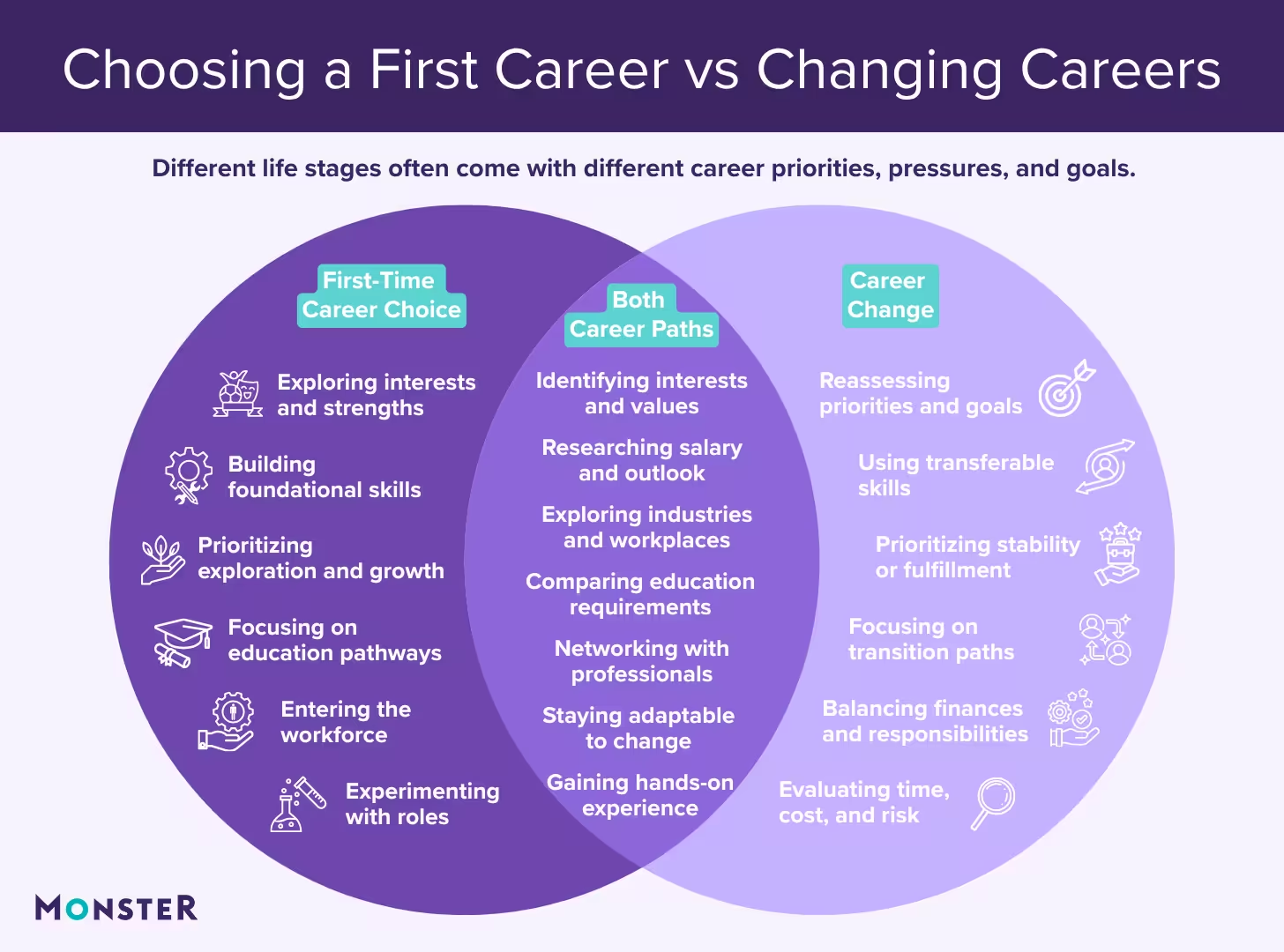
While the overall process of choosing a career is similar for most people, priorities often shift depending on your stage of life. Someone choosing a first career may focus more on exploration, education, and gaining experience, while someone changing careers later in life may prioritize stability, flexibility, transferable skills, or long-term fulfillment.
For example, first-time career seekers are often building foundational skills, exploring industries for the first time, and considering long-term education pathways.
Career changers, on the other hand, may be reevaluating priorities, navigating burnout, balancing financial or family responsibilities, or looking for careers that better align with their current lifestyle and goals.
Whether you’re choosing your first career or transitioning into a new job, the core process is still similar: evaluating your interests, strengths, goals, financial needs, work preferences, and long-term opportunities.
Key Takeaways
- Reflect on your interests, strengths, values, and preferred work environments when exploring careers.
- Balance passion with practical factors like salary, stability, flexibility, and long-term growth.
- Use career tools, research, networking, and hands-on experience to explore realistic options.
- Evaluate job outlook, education requirements, and industry trends before committing to a path.
- Compare training and education pathways based on your goals, timeline, and finances.
- Talk to professionals and test careers through internships, volunteering, side projects, or job shadowing.
- Choose a direction that fits your life right now, knowing your career can evolve over time.
Let’s See Where Your Career Takes You
Learning how to choose a career takes time, self-reflection, and a willingness to explore different possibilities. You don’t need to have your entire future figured out to take a meaningful next step.
As you evaluate your interests, priorities, strengths, and long-term goals, focus on making informed decisions based on what makes the most sense for your life right now.
Once you’ve narrowed down your career interests, start exploring real job opportunities to better understand what employers are looking for and what types of roles align with your goals. You can also upload your resume to Monster to get matched with jobs that fit your experience, skills, and career interests.

Kirsten Chorpenning is a career advice writer who empowers job seekers to take control of their career paths using Monster’s comprehensive job search and resume tools. She specializes in helping job seekers find rewarding jobs in today’s dynamic work environment.
See More From Kirsten ChorpenningExplore Related Career Advice
Cashier Career Paths: Monster Workforce Mobility Report (Volume 2)

Updated:
Oct 19, 2026
|
9 min read

Highest Paying Medical Jobs: 35 Top Healthcare Careers by Salary
Updated:
Oct 16, 2026
|
18 min read

How to Ask for a Raise at Work: Steps, Scripts, & Email Templates
Updated:
Oct 15, 2026
|
20 min read

Job Hugging Statistics: Nearly 9 in 10 Workers Have “Hugged” a Job
Updated:
Oct 13, 2026
|
9 min read

Nearly 3 in 10 LinkedIn Users Have Updated a Past Job After Leaving It
Updated:
Oct 7, 2026
|
7 min read

Employee Loyalty Statistics: 90% Say Companies Expect More Than They Give
Updated:
Oct 5, 2026
|
7 min read


Overqualified Hiring Stats: 57% Would Cut Resume Experience to Get Hired
Updated:
Sep 28, 2026
|
9 min read

20 First Job Interview Questions & Sample Answers: Tips to Land Your First Job
Updated:
Sep 24, 2026
|
20 min read
Manage Your Career Like an Expert
Take control of your professional journey with Monster’s expert resources. Explore advice, research, and tips to make informed decisions and advance your career with confidence.

Job Search
Discover strategies to get noticed, network effectively, and streamline your job search process.

Resumes
Get practical tips to create a resume or CV that stands out to employers and wins interviews.

Cover Letters
Learn how to craft a compelling cover letter that highlights your experience and fit for the role.

Career Paths
Explore career paths, industry trends, and growth opportunities to plan your next move.

Interviewing
Prepare for interviews with tips on answering common questions and following up effectively.

Career Development
Develop key skills and knowledge to grow in your current role or pivot to new opportunities.

Leaving a Job
Navigate job changes and career transitions with practical advice and planning resources.