
How to Write a Letter of Introduction (Examples & Template)

Done well, a letter of introduction can open the door to a new professional connection, job opportunity, client relationship, or valuable referral.
Updated:
|

14 min read

Table of Contents


What You’ll Learn
- A letter of introduction is a networking tool that can introduce you to a new professional contact or connect two people in your network.
- Unlike a cover letter, a letter of introduction isn’t typically tied to a specific job opening.
- Strong letters explain the reason for reaching out, establish a relevant connection, and give the recipient a clear next step.
- Letters of introduction can support job searches, networking, freelance work, client outreach, referrals, and teaching opportunities.
- Templates and examples can help you adapt your letter to different professional situations.
A professional connection often starts with a simple introduction. But when you’re reaching out to someone you’ve never met, you need to quickly establish who you are and give them a reason to continue the conversation. A well-written letter of introduction can help you do both.
Below, we’ll cover when to use one, how to write one, and how to tailor your message, with templates and examples you can use as a starting point.
What Is a Letter of Introduction?
A letter of introduction is a professional message used to introduce yourself to someone new or connect two people in your network. Unlike a cover letter, it’s primarily a networking tool that can help start professional relationships, open conversations about opportunities, or make a valuable connection.
There are two main types of letters of introduction:
- Introducing yourself: You reach out directly to a potential employer, professional contact, client, or someone else you’d like to connect with.
- Introducing someone else: You connect two people in your network who may benefit from knowing each other.
Letter of Introduction vs Cover Letter vs Letter of Intent
The main difference between a letter of introduction and a cover letter is its purpose. A cover letter is typically submitted with your resume when applying for a specific job. A letter of introduction is usually sent independently to establish a professional connection, even when there isn’t an advertised opening.
A letter of intent is another type of professional letter that expresses your interest in a specific opportunity, organization, or professional arrangement.
For example, you might send a letter of introduction to a company you’d like to connect with, a cover letter when applying for an open position, or a letter of intent to formally express your interest in an opportunity.
When Should You Use a Letter of Introduction?
You can use a letter of introduction when you want to make a professional connection but aren’t necessarily applying for a specific open position.
Common situations include:
- Contacting a potential employer: Introduce yourself to a company or hiring manager you’d like to work with, even if there isn’t a current opening that fits your background.
- Growing your professional network: Reach out to someone in your field to establish a connection, exchange information, or start a professional relationship.
- Requesting an informational interview: Introduce yourself to someone whose career, company, or industry you’d like to know more about.
- Seeking freelance or client work: Introduce your services and explain how your experience could benefit a prospective client.
- Connecting two people: Introduce contacts who may benefit from working together, sharing expertise, or expanding each other’s networks.
A letter of introduction works best when you have a clear reason for reaching out. Tailor your message to the recipient and make it clear why the connection could be worthwhile.
How to Write a Letter of Introduction About Yourself: 6 Steps
When introducing yourself in a letter of introduction, explain who you are, why you’re reaching out, and what you’d like to happen next to give the recipient a clear reason to connect with you.
Follow these steps to write a letter for yourself:
- Step 1:
Address the recipient personally. Use the recipient’s name whenever possible rather than a generic greeting. If you’re writing a more formal introduction, follow a standard business letter format for your contact information, date, greeting, and other elements.
- Step 2:
Introduce yourself. State your name, current role or professional background, and any other information that’s immediately relevant to the recipient. Similar to a strong cover letter opening, your introduction should quickly give the reader a reason to keep reading.
- Step 3:
Explain why you’re reaching out. Be specific about what prompted you to contact them, such as an interest in their company, work, industry, or professional expertise.
- Step 4:
Establish a relevant connection. Briefly highlight experience, skills, interests, or goals that relate to the recipient and explain why connecting could be worthwhile.
- Step 5:
Suggest a next step. Ask for a specific action, such as scheduling a brief conversation, discussing potential opportunities, or staying in touch.
- Step 6:
Close professionally. Thank the recipient for their time and end with your full name and contact information. You can use many of the same principles for closing a cover letter, including ending confidently and making the next step clear.
How to Write a Letter of Introduction for Someone Else: 5 Steps
When introducing two people, explain the connection and make it easy for them to take the conversation from there. Keep the introduction brief and relevant to both recipients, providing enough context so they understand why you’re connecting them.
Follow these steps to write a letter for someone else:
- Step 1:
Introduce both people. Identify each person by name and briefly explain your relationship to them.
- Step 2:
Provide relevant context. Include each person’s role, background, or expertise so both recipients understand who they’re meeting.
- Step 3:
Explain why you’re connecting them. State the specific reason you think the two people should know each other, such as a shared professional interest, opportunity, or goal.
- Step 4:
Make the handoff clear. Invite them to connect directly and indicate that they can take the conversation from there.
- Step 5:
Close briefly. Thank both people and end the message without adding unnecessary information.
Letter of Introduction Examples by Context
The content and purpose of a letter of introduction will vary depending on who you’re contacting and why. The examples below show how to introduce yourself to a potential employer or client, as well as how to introduce two people in your professional network.
Letter of Introduction for a Job or Networking Opportunity
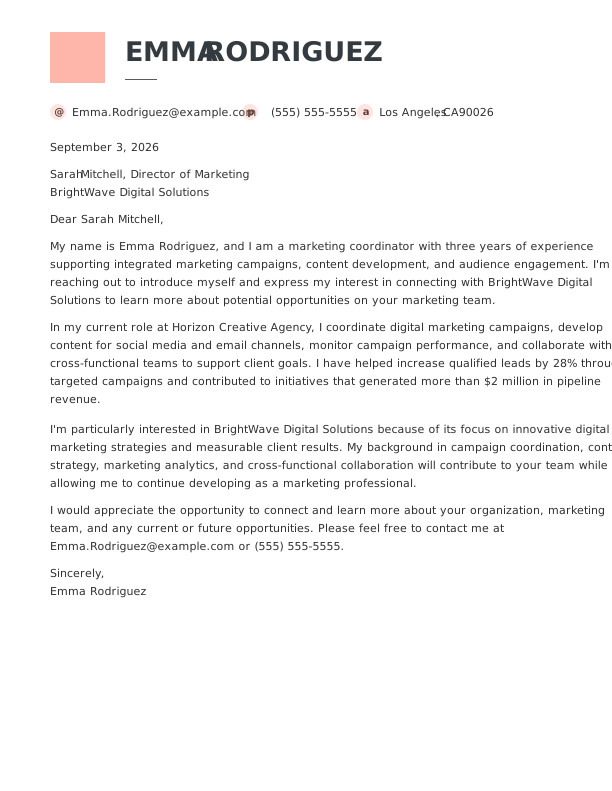
This example works because it establishes the reason for reaching out, connects the job seeker’s experience to the recipient, and ends with a clear request to continue the conversation.
Letter of Introduction for Freelance or Client Work
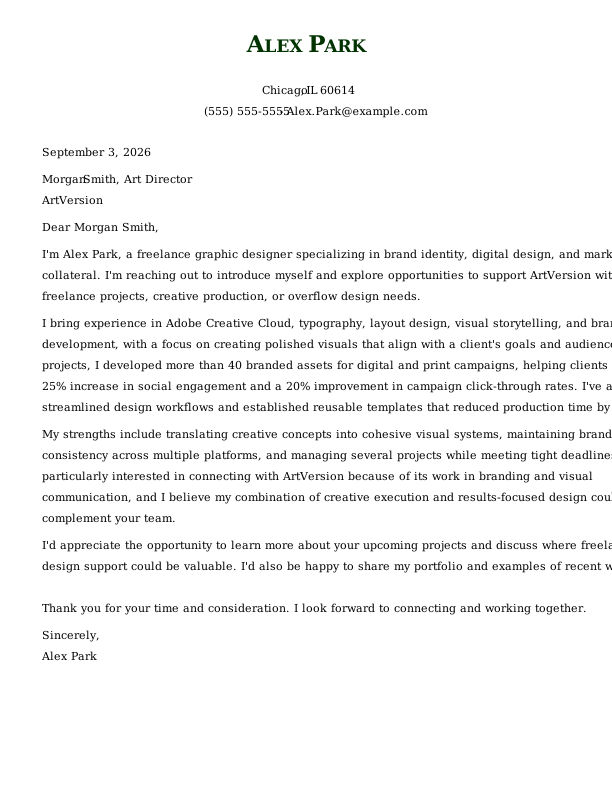
This example introduces the freelancer’s services while showing how their experience could benefit the prospective client. It also gives the recipient a clear next step if they’re interested in working together.
Letter of Introduction for Someone Else
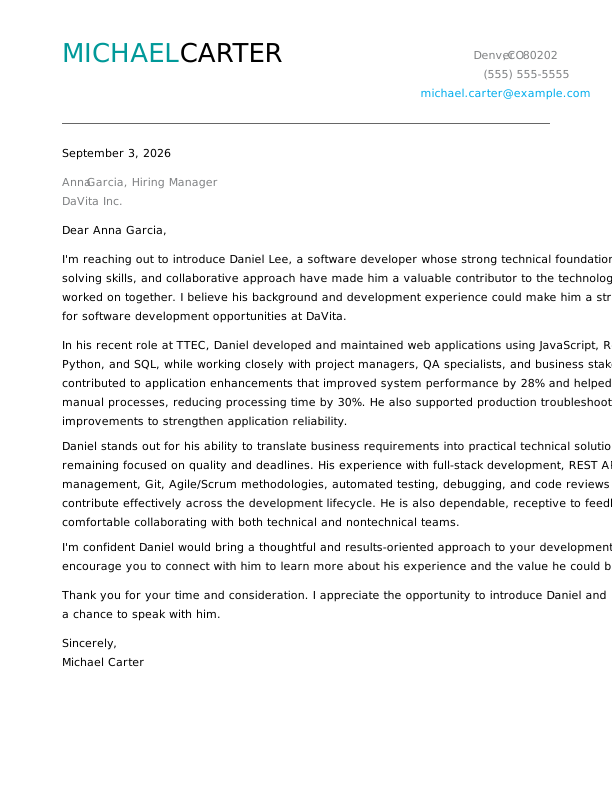
This example gives both contacts enough context to understand who they’re meeting and why the connection may be useful. It then allows them to continue the conversation directly.
General Letter of Introduction Template & Example
Use the copy-paste template below to introduce yourself to a new professional contact. Customize it with your experience, reason for reaching out, and a clear next step. Then, review the completed example to see how you can turn the template into a natural, personalized letter.
For email introductions, you can omit the formal address block and place the introduction directly in the body of the email.
Letter of Introduction Template
Letter of Introduction Example
Jordan Lee
Supply Chain Analyst
jordan.lee@email.com
(555) 214-8390
September 2, 2026
Priya Shah
Director of Supply Chain Operations
Northstar Manufacturing
Dear Ms. Shah,
My name is Jordan Lee, and I’m a supply chain analyst with five years of experience in inventory planning and logistics. I’m reaching out after hearing you speak at the Regional Supply Chain Conference about Northstar Manufacturing’s efforts to improve inventory forecasting across its distribution network.
In my current role at Summit Industrial, I analyze inventory and supplier data to identify shortages, reduce excess stock, and support purchasing decisions. I’m particularly interested in Northstar’s approach to demand planning, and I believe my experience with inventory forecasting and process improvement could be valuable to your team.
I’d appreciate the opportunity to connect for a brief conversation about your work at Northstar and potential opportunities within your supply chain organization. Please feel free to contact me at jordan.lee@email.com or (555) 214-8390.
Thank you for your time. I look forward to connecting with you.
Sincerely,
Jordan Lee
Special Situation: How to Write a Letter of Introduction for a Teaching Job
A letter of introduction for a teaching job introduces you to a school or district and summarizes the qualifications you could bring to its students and staff. Depending on the school or district, you might send one to express general interest in employment or to introduce yourself before a specific opportunity becomes available.
When writing your letter:
- Introduce yourself and your teaching background. Include your current or recent role, years of experience, and the grade levels or subjects you teach.
- Highlight relevant credentials. Mention teaching certifications, licenses, endorsements, or specialized training relevant to the school or district.
- Connect your experience to the school. Research the school or district and highlight experience that aligns with its students, programs, curriculum, or priorities.
- Include a few relevant qualifications. Briefly highlight teaching experience, instructional approaches, classroom accomplishments, or other strengths that demonstrate what you could contribute.
- Mention supporting materials. If relevant, direct the reader to your teaching portfolio, resume, or other materials that provide more information about your experience.
- End with a clear next step. Express your interest in speaking with the recipient about current or future teaching opportunities.
Letter of Introduction for a Teaching Job Example
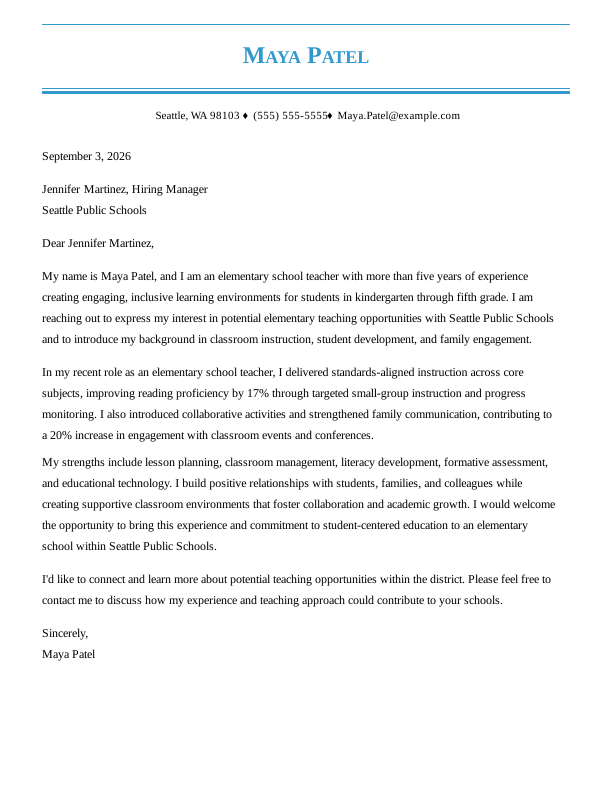
This example works because it quickly establishes the teacher’s experience and credentials, connects their background to the school or district, and clearly expresses interest in potential teaching opportunities.
6 Tips for Writing an Effective Letter of Introduction
An effective letter of introduction should give the recipient a clear reason to read and respond. Keep your message concise, personalize it to the recipient, and provide enough context to explain why you’re reaching out.
- 1.
Personalize your letter. Address the recipient by name and tailor your message to their role, company, or connection to you rather than sending the same letter to everyone.
- 2.
Get to the point quickly. Introduce yourself and explain why you’re reaching out within the first few sentences so the recipient immediately understands the purpose of your message.
- 3.
Explain the value of connecting. Give the recipient a reason to continue the conversation by highlighting a relevant shared interest, opportunity, experience, or potential benefit.
- 4.
Keep it concise. Limit your letter to one page or a few short paragraphs. Include the information the recipient needs without adding unrelated details.
- 5.
Include a clear next step. Make it easy for the recipient to respond by suggesting a brief conversation, requesting a meeting, or explaining what you’d like to happen next in the closing.
- 6.
Proofread before sending. Double-check names, job titles, company names, spelling, grammar, and contact information before you send your letter.
Make Your Introduction the Start of a Conversation
A strong letter of introduction can turn a cold contact into the beginning of a valuable professional relationship. Be specific about why you’re reaching out, personalize your message, and make it easy for the recipient to respond. From there, continue building the connection through thoughtful follow-up and professional networking.
Frequently Asked Questions
How do you start a letter of introduction?
Start a letter of introduction with a professional greeting and a brief self-introduction. State your name, role or professional background, and why you’re contacting the recipient. If you’re introducing someone else, explain your relationship to both people and why you’re connecting them.
How long should a letter of introduction be?
A letter of introduction should generally be no longer than one page. If you’re sending it by email, a few short paragraphs are usually enough. Include the context the recipient needs, your reason for reaching out, and a clear next step without adding unnecessary details.
What is the difference between a letter of introduction and a letter of interest?
A letter of introduction is primarily used to establish a professional connection or introduce two people. A letter of interest is typically sent to an employer to express interest in working for the organization, even when a specific position isn’t advertised.
Should a letter of introduction be sent as an email or an attachment?
A letter of introduction can be sent as an email or an attachment, but email is often the simplest option for networking. Putting the letter directly in the email lets the recipient read your introduction without opening another file. Follow any specific submission instructions if an employer or organization requests an attachment.
How do you introduce two people over email professionally?
To introduce two people professionally over email, briefly explain who each person is and why you’re connecting them. Include relevant context about their roles, experience, or shared interests, then suggest why the connection could be useful. After making the introduction, let them continue the conversation directly.

Kirsten Chorpenning is a career advice writer who empowers job seekers to take control of their career paths using Monster’s comprehensive job search and resume tools. She specializes in helping job seekers find rewarding jobs in today’s dynamic work environment.
See More From Kirsten ChorpenningExplore Related Career Advice



20 Companies That Pay 100% Health Insurance & Other Top Benefits
Updated:
Sep 10, 2026
|
14 min read


How Long of a Commute Is Too Long? 49% Have Turned Down a Job Due to the Commute

Updated:
Sep 8, 2026
|
11 min read


Beauty Bias at Work Statistics: 88% Say Attractive People Have an Advantage
Updated:
Aug 31, 2026
|
8 min read


How to Put Transferable Skills on Your Resume: 120 Skills, Examples, & Tips
Updated:
Aug 27, 2026
|
16 min read
Manage Your Career Like an Expert
Take control of your professional journey with Monster’s expert resources. Explore advice, research, and tips to make informed decisions and advance your career with confidence.

Job Search
Discover strategies to get noticed, network effectively, and streamline your job search process.

Resumes
Get practical tips to create a resume or CV that stands out to employers and wins interviews.

Cover Letters
Learn how to craft a compelling cover letter that highlights your experience and fit for the role.

Career Paths
Explore career paths, industry trends, and growth opportunities to plan your next move.

Interviewing
Prepare for interviews with tips on answering common questions and following up effectively.

Career Development
Develop key skills and knowledge to grow in your current role or pivot to new opportunities.

Leaving a Job
Navigate job changes and career transitions with practical advice and planning resources.