

Free Teacher Cover Letter Templates & Examples
Get your next job with the help of our teacher cover letter templates to present your classroom experience. These free examples come with writing tips and guidance to help you highlight your qualifications, showcase teaching strengths, and appeal to hiring managers.
Real-World Cover Letters That Get Results
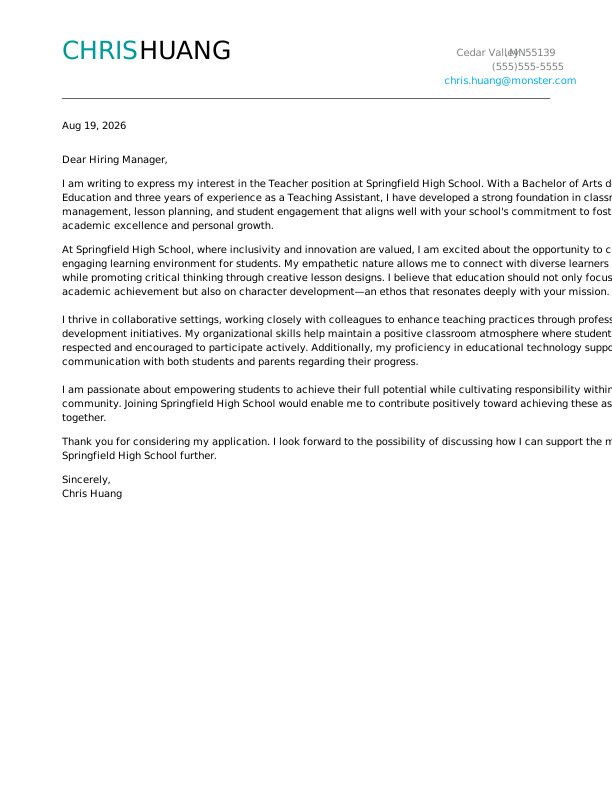
 Free
FreeTeacher Entry-Level Cover Letter
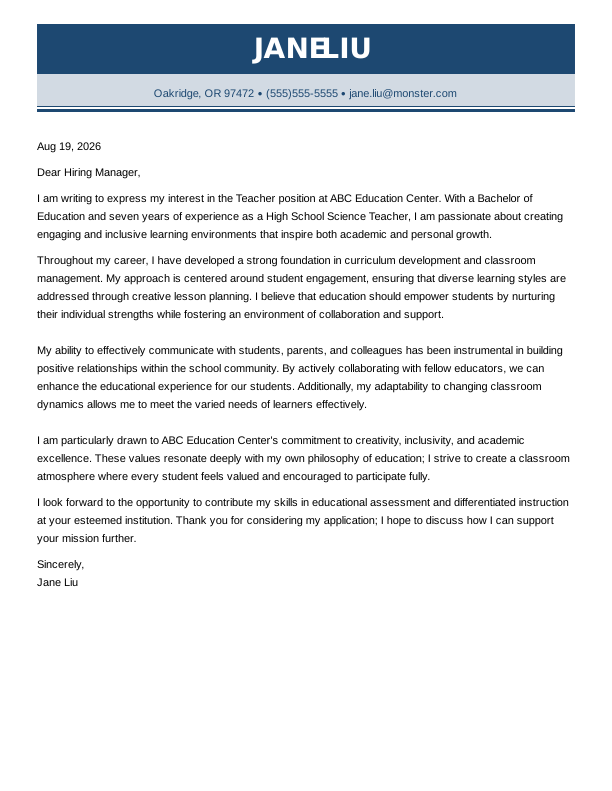
Teacher Mid-Level Cover Letter
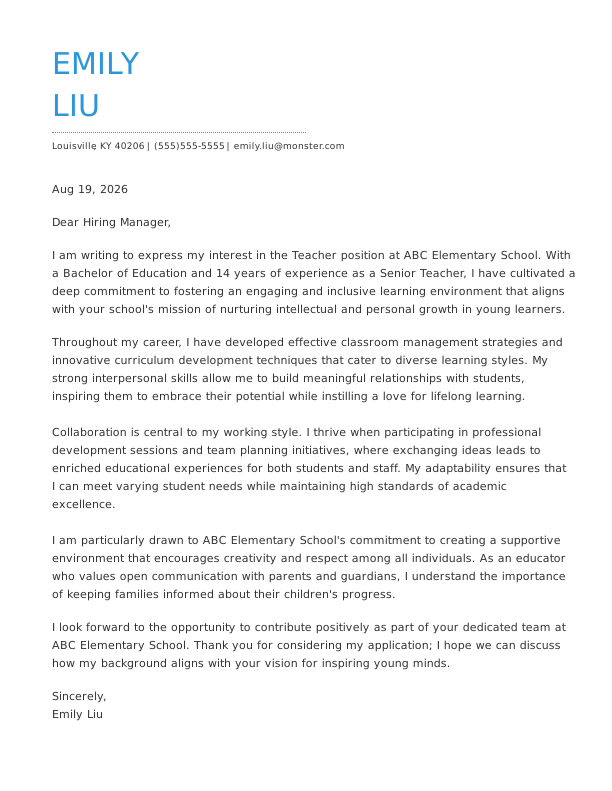
Teacher Experienced Cover Letter
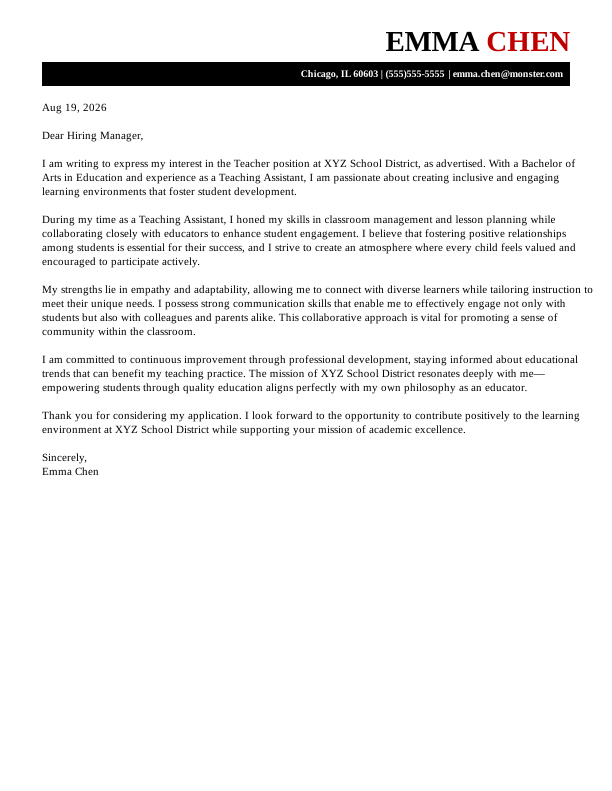
Teacher Entry-Level Cover Letter
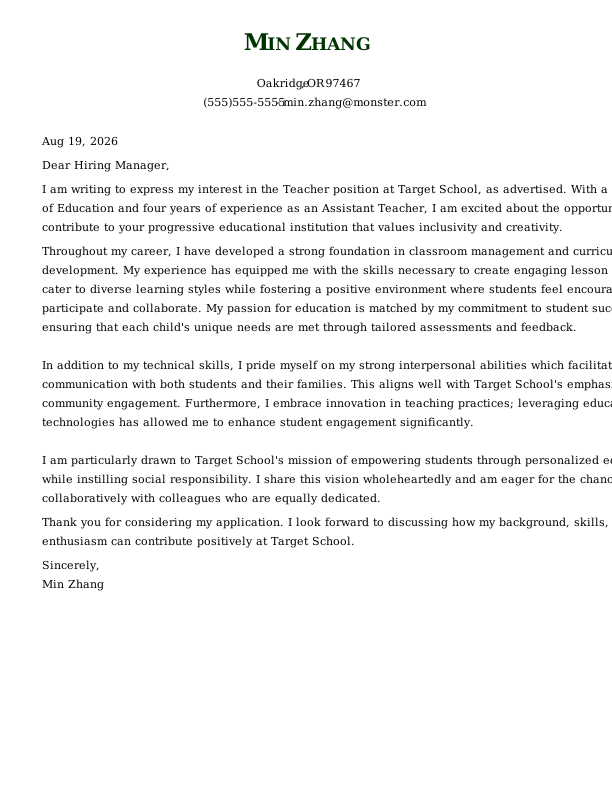
Teacher Mid-Level Cover Letter
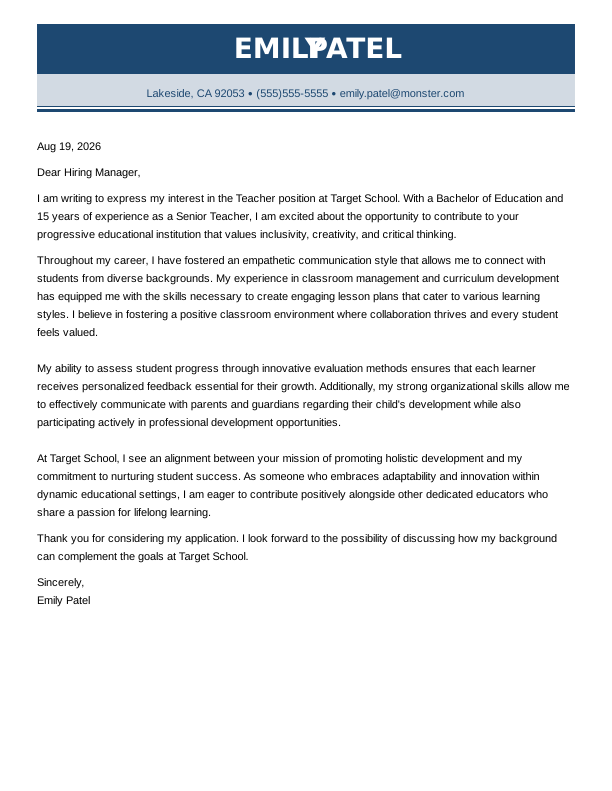
Teacher Experienced Cover Letter
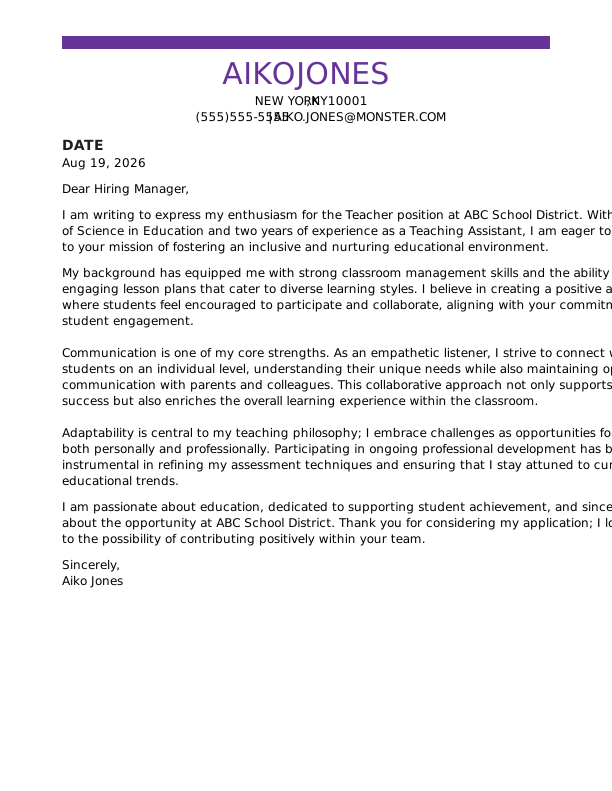
Teacher Entry-Level Cover Letter
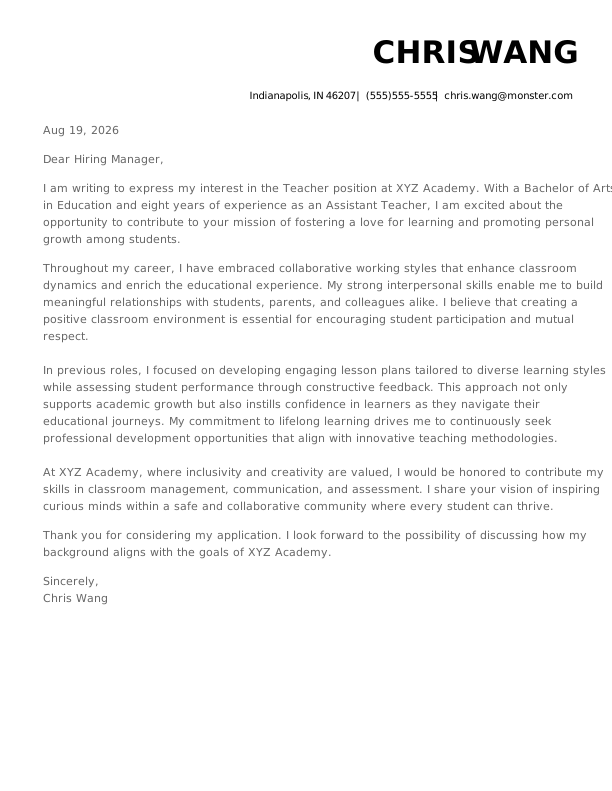
Teacher Mid-Level Cover Letter
Browse Free Cover Letter Templates
- Account Manager
- Accounts Payable
- Administrative Assistant
- Admissions Counselor
- Artist
- Babysitter
- Barista
- Bartender
- Bookkeeper
- Brand Ambassador
- Business Analyst
- Caregiver
- Chef
- Civil Engineering
- Computer Science
- Custodian
- Customer Service
- Dental Assistant
- Electrical Engineering
- Emt
- Engineering
- Event Coordinator
- Executive Assistant
- Finance
- Financial Analyst
- Firefighter
- Flight Attendant
- Graphic Designer
- Hair Stylist
- Healthcare
- Investment Banking
- It
- Janitor
- Journalism
- Lab Technician
- Law Clerk
- Lawyer
- Librarian
- Logistics
- Manager
- Marketing Manager
- Massage Therapist
- Mechanic
- Mechanical Engineer
- Medical Assistant
- Non Profit
- Nursing
- Office Manager
- Paralegal
- Personal Trainer
- Pharmacy Technician
- Photographer
- Physician Assistant
- Pilot
- Police Officer
- Project Manager
- Property Manager
- Receptionist
- Research Assistant
- Retail
- Sales
- Security Officer
- Social Work
- Software Engineer
- Teaching Assistant
- Truck Driver
- Vet Tech
- Veterinary Assistant
- Web Developer
- Welder
Cover Letter Examples for Teachers
Teacher cover letters change with your experience level, so each template should match the stage you’re in. Use entry-level, mid-career, and experienced examples to guide what to highlight, from classroom practice to leadership and results.
Entry-Level Teacher Cover Letter
Perfect for recent graduates starting a cover letter with no experience, this template also supports career changers moving into teaching from other fields, helping them share classroom-ready skills and confidence as they apply for teacher roles.
Mid-Career Teacher Cover Letter
A good fit for experienced teachers who want to showcase classroom impact, this template highlights career growth and supports advancement into leadership roles or specialized instruction.
Experienced Teacher Cover Letter
Best for teachers with 10+ years of experience, this template helps educators pursue senior roles such as department lead or instructional leadership positions.
Teacher Cover Letter Template (Text)
Use this adaptable text template for a teacher cover letter by copying, pasting, and customizing the editable text in your document or file.
Michael Wang
Minneapolis, MN 55413
(555)555-5555
michael.wang@monster.com
Aug 19, 2026
Dear Hiring Manager,
I am writing to express my interest in the Teacher position at ABC Education Inc. With a Bachelor’s Degree in Education and nine years of experience as a dedicated educator, I have cultivated a strong foundation in classroom management, curriculum development, and student engagement that aligns with your commitment to fostering an innovative learning environment.
Throughout my career, I have embraced teaching as not just a profession but as a passion. My approach emphasizes empathy and creativity, allowing me to connect with students on multiple levels. I strive to create inclusive classrooms where every learner feels valued and motivated to participate actively. Collaboration is at the heart of my working style; I believe that engaging with colleagues, parents, and community members enhances not only educational experiences but also outcomes for our students.
My adaptability has been key in designing lesson plans tailored for diverse learning styles while ensuring that all students receive personalized support. I am committed to lifelong learning myself, frequently seeking professional development opportunities to remain current with evolving educational trends.
I am particularly drawn to ABC Education Inc.’s mission of inspiring curiosity and promoting lifelong learning among students. The values your organization upholds resonate deeply with me; integrity and inclusivity are principles that guide my teaching philosophy.
Thank you for considering my application. I look forward to the opportunity to contribute positively within your esteemed team at ABC Education Inc.
Sincerely,
Michael Wang
How to Write a Teacher Cover Letter
As a teacher, writing a cover letter means pairing your classroom experience with clear storytelling that shows fit and personalization for the specific role, highlighting relevant skills and measurable achievements.
Use the guidance below to showcase your qualifications and customize your letter for each target school or grade level by aligning examples with its specific needs.
1. Research & Prepare
Before writing your cover letter as a teacher, research the school, grade level, and classroom culture. Tailor your examples to the students you will support and align with campus priorities, including learning goals and behavior expectations.
To prepare effectively:
- Personalize your content: Use your research to reference specific classroom strategies and relevant experience rather than generic claims.
- Review job requirements: Check the job posting for required certifications, licenses, and key teaching skills.
- Scan school updates: Review the school website, recent announcements, and posted initiatives to stay up to date on current goals.
- Explore leadership priorities: Use LinkedIn to learn what subjects, curriculum, or programs the leadership team emphasizes.
2. Hook the Reader
A strong cover letter opening sets the tone and earns attention fast. Effective openings feel specific, demonstrate genuine interest in the school or district, and highlight what you bring to students on day one.
Strong opening strategies include:
- School initiatives: Reference a recent classroom goal from its website, such as literacy growth or inclusive learning.
- Classroom wins: Lead with a specific moment from your teaching, such as raising reading levels through guided practice.
- Professional connections: Start with a brief connection, such as a colleague’s recommendation or a shared commitment to culturally responsive instruction.
3. Tell Your Professional Story
Your cover letter should do more than repeat your resume. Share a short story featuring specific classroom moments and measurable results so hiring managers can picture your daily impact.
Highlight quantifiable teaching achievements such as:
- Specialized support: Managing learning plans for students with IEPs or reducing behavior referrals by tracking patterns and adjusting routines.
- Academic growth: Raising reading scores by 15% following targeted small-group instruction.
- Student engagement: Improving student attendance by 8% or increasing on-time assignment completion from 62% to 85%.
4. Showcase Your Skills
Match your teaching skills to what the school needs. Review the job posting and turn each requirement into a concrete classroom example so hiring teams see real impact rather than just credentials.
Key ways to align your skills:
- Classroom management: Explain routines taught on day one and how those routines reduced disruptions during transitions.
- Lesson planning: Describe how you differentiated instruction for diverse reading levels using small-group work and targeted practice.
- Data-driven support: Share how you tracked student progress with quick checks and adjusted reteaching plans accordingly.
5. Explain Any Special Circumstances
If you have an employment gap, changed grade levels, or relocated, address it early in your cover letter with a brief, clear explanation. Keep the focus on what you gained and how the change prepared you for this role.
Ways to address specific transitions:
- Relocation: If relocating, mention your familiarity with local curriculum standards and state educational expectations.
- Employment gaps: If you took time off to care for a family member, connect that experience to building patience and routines that support student success.
- Grade-level shifts: If moving from middle school to high school, describe how you adapted lesson pacing and fostered stronger student study habits.
6. End With a Professional Goodbye
Close your cover letter by reaffirming your interest in the teaching position and inviting the next step. In two to three sentences, thank the hiring manager, express excitement about working with students, and request an interview to discuss how your skills fit the school’s needs.
Finish with a tailored call to action followed by your sign-off:
- Call to action: “I welcome the opportunity to discuss how my experience with differentiated instruction and engaging lessons can support your students’ growth.”
- Sign-off: End with a professional closing such as “Sincerely,” or “Best regards.”
4 Tips For Formatting Your Cover Letter
Clear cover letter formatting helps you make a strong first impression and keeps your message easy to read. These tips apply whether you have years of experience or you’re new to teaching.

Address Hiring Manager Directly
Locate the principal, department chair, or district recruiter’s name by reviewing the school directory, job posting, or LinkedIn. If you cannot identify a specific contact, open with “Dear Hiring Committee” or “Dear Principal and Search Team” rather than outdated greetings like “To Whom It May Concern.”

Keep It to One Page
School administrators balance high application volumes, so structure your letter to be concise and easy to scan. Target 250–400 words across three to four focused paragraphs that highlight your core teaching accomplishments and student outcomes.

Use a Professional Font & Layout
Set standard one-inch margins and use clean typography such as Arial, Calibri, Times New Roman, or Georgia in 10–12 pt font. Align the design layout and header with your resume so the hiring committee receives a cohesive application package.

Save & Send As PDF
Export your cover letter as a PDF to preserve your layout, spacing, and typography across administrative operating systems and applicant tracking systems. Save the file using a clean format that includes your name and target title, such as “Jamie_Lee_cover letter.pdf.”
Top-Paying States for Teacher Roles
Researching teacher salary ranges can help you compare job offers, negotiate fair pay, and make clearer career decisions about where to teach. The salary data below comes from the U.S. Bureau of Labor Statistics and reflects current national averages for teachers.
Your actual earnings can vary based on location, years of experience, credentials or endorsements, and grade level or subject specialization. Teachers working in higher-demand districts, teaching STEM subjects like math or science, or taking on roles such as special education or advanced placement often see stronger compensation than peers in lower-paying settings.
| Alabama | $148,160 |
| Alaska | $165,250 |
| Arizona | $163,430 |
| Arkansas | $160,210 |
| California | $160,400 |
| Connecticut | $196,450 |
| Delaware | $113,490 |
| District of Columbia | $158,400 |
| Florida | $144,680 |
| Georgia | $149,720 |
| Hawaii | $127,300 |
| Idaho | $105,460 |
| Illinois | $128,650 |
| Indiana | $150,470 |
| Iowa | $165,580 |
| Kansas | $126,180 |
| Kentucky | $126,860 |
| Louisiana | $144,810 |
| Maine | $157,650 |
| Maryland | $163,200 |
| Massachusetts | $174,240 |
| Michigan | $173,710 |
| Minnesota | $152,180 |
| Mississippi | $152,440 |
| Missouri | $137,500 |
| Montana | $132,790 |
| Nebraska | $138,280 |
| Nevada | $113,240 |
| New Hampshire | $173,050 |
| New Jersey | $146,830 |
| New Mexico | $166,910 |
| New York | $158,660 |
| North Carolina | $157,910 |
| North Dakota | $118,720 |
| Ohio | $108,540 |
| Oklahoma | $120,670 |
| Oregon | $141,000 |
| Pennsylvania | $125,860 |
| Rhode Island | $129,010 |
| South Carolina | $151,670 |
| South Dakota | $97,000 |
| Tennessee | $170,840 |
| Texas | $162,700 |
| Utah | $157,220 |
| Vermont | $150,840 |
| Virginia | $146,920 |
| Washington | $148,910 |
| West Virginia | $135,750 |
| Wisconsin | $148,770 |
| Wyoming | $97,660 |
| Guam | $57,350 |
| Puerto Rico | $125,950 |
| Virgin Islands | $54,690 |
Key Takeaways
- Personalize each letter for the specific school and grade level. Mention their curriculum priorities, student needs, or extracurricular focus so it’s clear you’ve done your homework.
- Lead with a strong hook and support it with measurable results. Include outcomes like reading growth percentages, improved test scores, attendance gains, or successful program metrics.
- Keep formatting clean and consistent with your resume. Use the same headings, spacing, and font choices so your application reads smoothly.
Browse Monster’s Resume Templates
Monster also has hundreds of ATS-friendly resume templates for all career levels and industries. Create a matching resume to help you land the interview.
- Art Teacher
- Dance Instructor
- Dance Teacher
- Education
- Elementary School Teacher
- English Teacher
- Esl Teacher
- Flight Instructor
- Kindergarten Teacher
- Math Teacher
- Music Teacher
- Physical Education Teacher
- Preschool Teacher
- Science Teacher
- Social Studies Teacher
- Spanish Teacher
- Special Education Teacher
- Substitute Teacher
- Teacher Assistant
- Teacher
Frequently Asked Questions
Last Update:
Do I really need a cover letter?
Yes, you should include a cover letter even when it’s marked optional for teaching roles. It gives you room to share context your resume cannot, and it signals initiative and real interest in the position.
A cover letter helps most when you’re making a career change, have gaps in employment, or want to explain why this school fits you. It also lets you show your personality, enthusiasm for students, and communication strengths.
How long should my cover letter be?
Cover letters should stay one page maximum and typically run 250-400 words. Hiring managers review many applications and spend limited time on each one.
Focus on quality over quantity by sharing only the most relevant information. Structure your letter as 3-4 concise paragraphs that each serve a clear purpose.
Should my cover letter match my resume?
Yes, your cover letter should match your teacher resume’s visual design. Use the same fonts, colors, and header style so the application package looks cohesive and intentional.
However, let the content complement rather than repeat your resume. Expand on teaching experience by adding context for key lessons or projects, sharing why you want this classroom role, and describing how you support students beyond what bullet points show.
Can I use AI to write my cover letter?
AI tools like a cover letter generator can help you draft quickly, organize your ideas, and break through writer’s block. They can also give your application a clear structure, but personalization still matters most when you want to stand out as a teacher.
Use AI as a starting point, then edit heavily to match your voice and add specific classroom examples, student impact, and real enthusiasm for the school. Hiring managers often spot generic AI-generated content, so make every paragraph sound like you.
What should I include in my cover letter header?
Your cover letter header should include your full name, phone number, professional email, city/state, and LinkedIn profile (if applicable). Add the date and the recipient’s information below your contact details. Match this header style to your resume for a consistent application.

Elizabeth Muenzen is a Certified Professional Resume Writer (CPRW) and member of the Professional Association of Resume Writers & Career Coaches who empowers job seekers to take control of their career paths using Monster’s comprehensive job search and resume tools.
See More From Elizabeth MuenzenExplore Related Career Advice







How to Write a Cover Letter for Internal Positions or Promotions (Examples & Tips)

Updated:
Apr 23, 2026
|

19 min read


Cover Letter vs Resume: What’s the Difference & Do You Need Both?
Updated:
Apr 23, 2026
|
18 min read