
Free Physical Therapist Resume Templates & Examples
Elevate your chances of landing interviews with our expertly designed physical therapist resume templates. These free resume templates come with valuable writing tips that will guide you in showcasing your qualifications and making a lasting impression on employers.
Real-World Resumes That Get Results
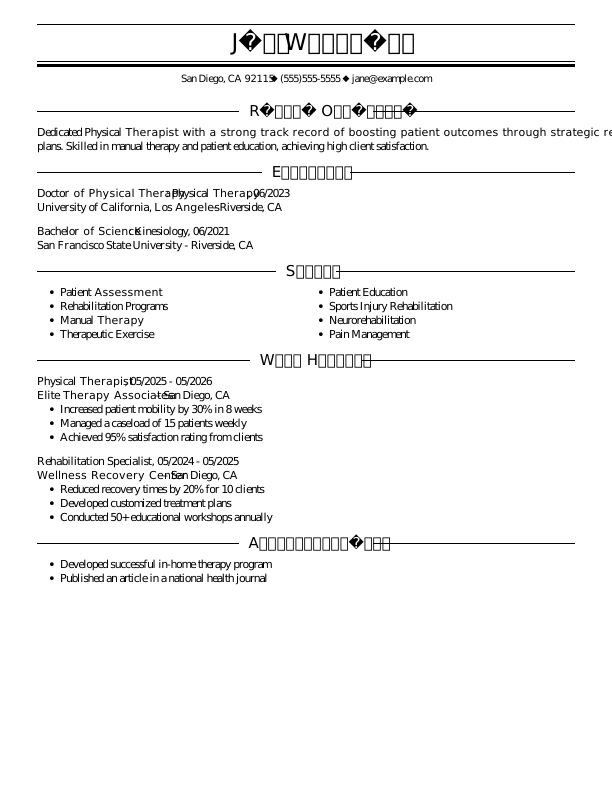
 Free
FreePhysical Therapist Entry-Level Resume
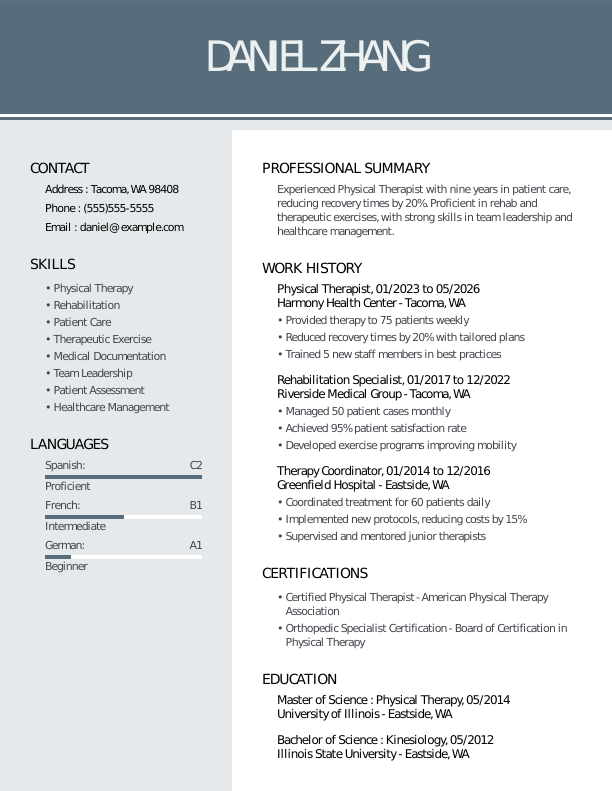
Physical Therapist Mid-Level Resume
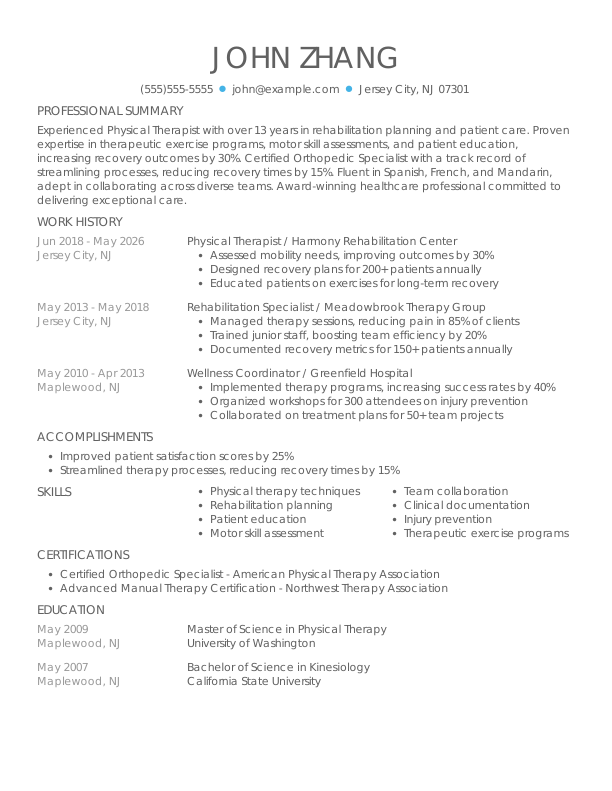
Physical Therapist Experienced Resume
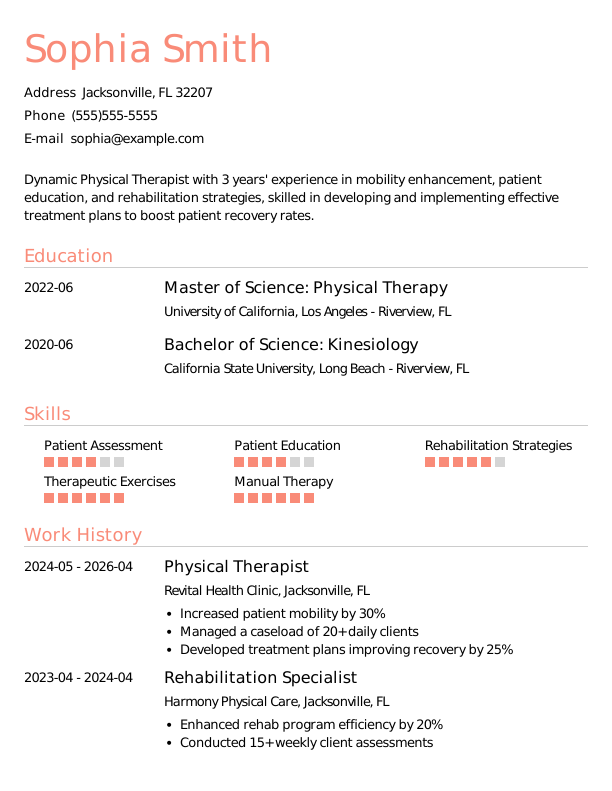
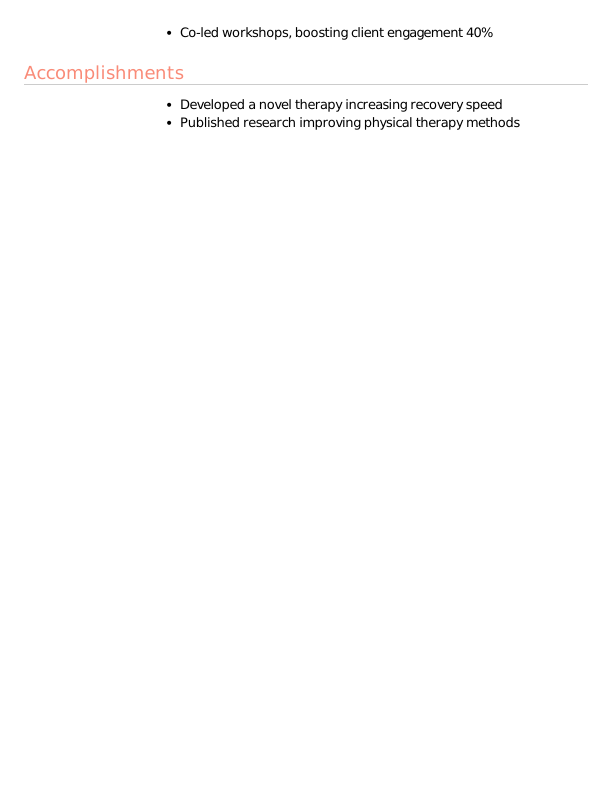
Physical Therapist Entry-Level Resume 1
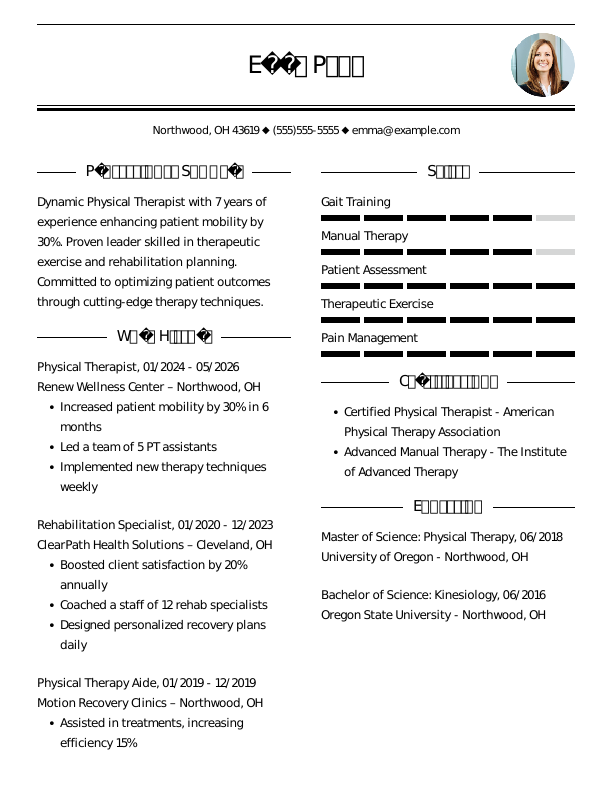
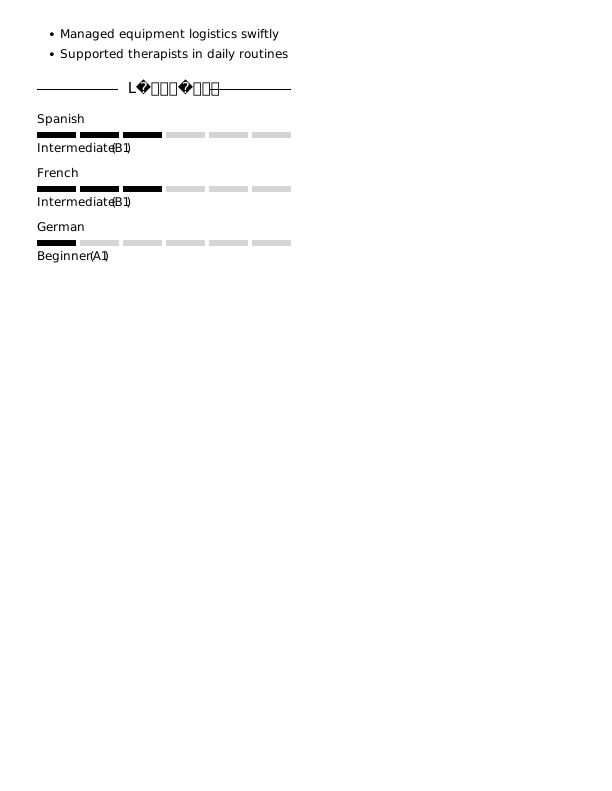
Physical Therapist Mid-Level Resume 1
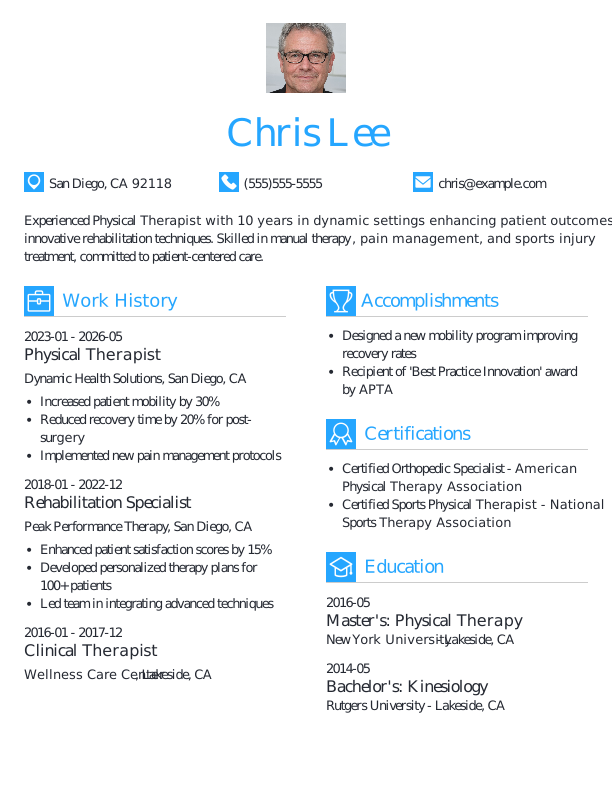
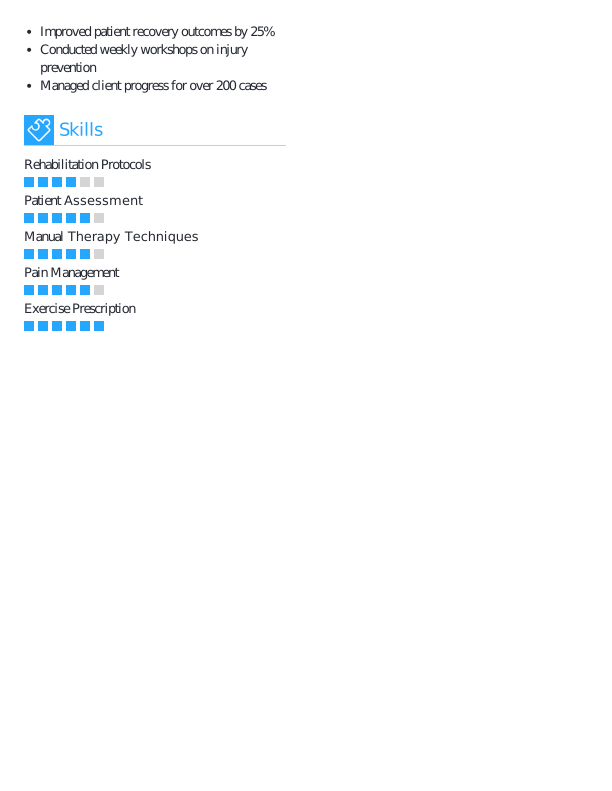
Physical Therapist Experienced Resume 1
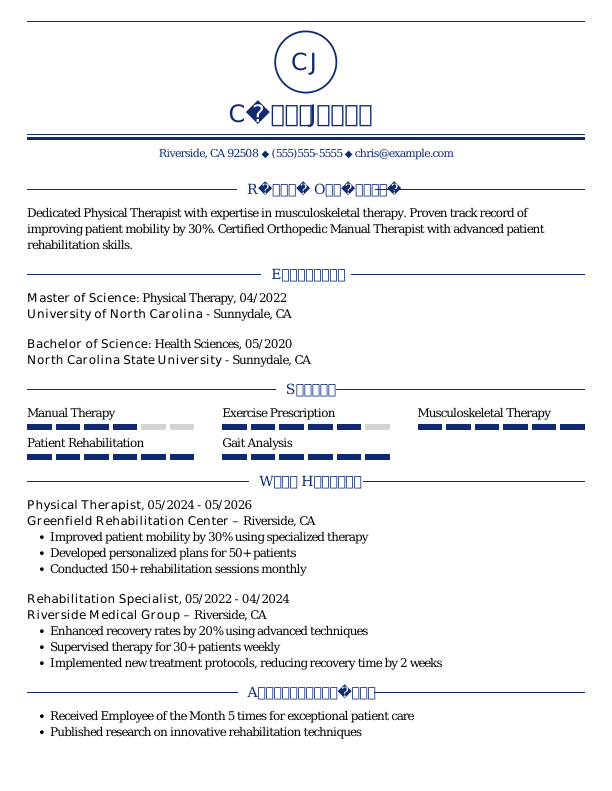
Physical Therapist Entry-Level Resume 2
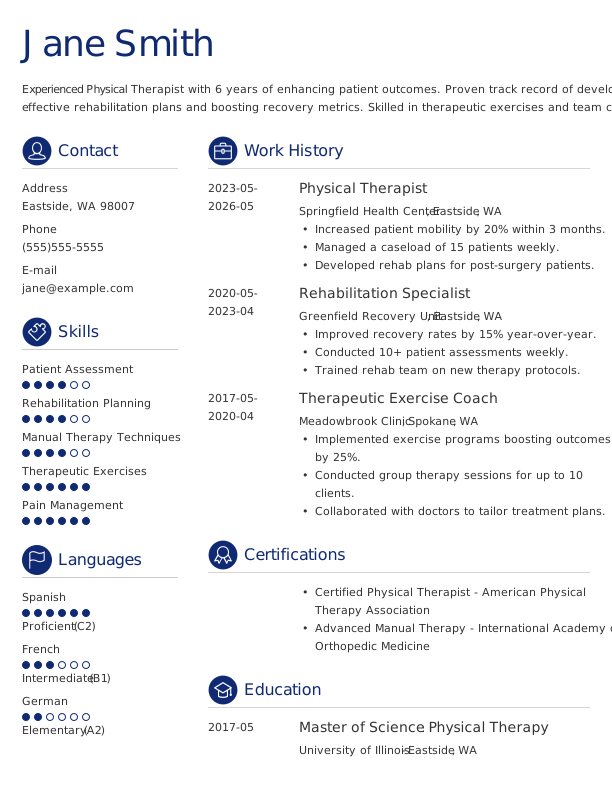

Physical Therapist Mid-Level Resume 2
Browse Free Resume Templates
- Artist
- ATS-Friendly
- Business Development Manager
- Business
- Classic & Traditional
- College Student
- Construction Worker
- Corporate
- Creative & Unique
- Customer Service
- Entry-Level
- Healthcare
- Hospitality & Food Service
- Logistics
- Maintenance
- Manager
- Modern
- Production
- Sales
- Security Services
- Simple & Basic
- Social Work
- Teacher
- Military
Resume Examples for Physical Therapists
A physical therapist resume or CV varies significantly from entry-level to experienced professionals. Explore what to include at each career stage and use our Resume Builder to create a tailored document that suits your needs.
Entry-Level Physical Therapist Resume
Ideal for recent graduates who are crafting a resume with no experience, this template also suits those transitioning into physical therapy from other healthcare roles.
Mid-Career Physical Therapist Resume
A good fit for physical therapists with several years of experience, this template highlights recent patient care achievements and supports advancement into specialized or leadership roles.
Experienced Physical Therapist Resume
An ideal choice for seasoned physical therapists with over 10 years of experience, this template highlights applicants pursuing leadership or specialist roles in rehabilitation and patient care.
Physical Therapist Resume Template (Text)
Use this customizable text format of a physical therapist resume to easily copy, modify, and tailor it for your document.
John Patel
Tampa, FL 33603
Professional Summary
Highly skilled Physical Therapist with 8 years of experience in orthopedic rehabilitation and neuromuscular recovery. Proven track record of improving patient mobility by 30% and achieving 95% post-op recovery rates. Expert in patient assessment, therapeutic exercise design, and advanced manual techniques.
Work Experience
January 2021 – May 2026
Healing Motion Rehabilitation Clinic – Tampa, FL
Physical Therapist
- Increased patient mobility by 30% with tailored plans
- Provided therapy for 75+ patients/month, ensuring high satisfaction
- Trained 10 junior staff on advanced therapy techniques
December 2016 – December 2020
Progressive Wellness Physical Therapy – Tampa, FL
Rehabilitation Specialist
- Led post-operative rehab for 40+ patients with 95% recovery rates
- Improved clinic efficiency by coordinating 25 therapy sessions/week
- Achieved a 20% reduction in patient pain through innovative methods
January 2014 – November 2016
Active Life Physical Therapy Center – Tampa, FL
Physiotherapy Assistant
- Assisted in treatment plans for 50+ patients/week
- Reduced paperwork errors by 15%, streamlining workflows
- Supported therapists during patient evaluations and follow-ups
Education
December 2013
University of Southern California Los Angeles, CA
Master’s Degree Physical Therapy
June 2012
University of Oregon Eugene, OR
Bachelor’s Degree Kinesiology
Certifications
- Certified Orthopedic Manual Therapist (COMT) – American Physical Therapy Association (APTA)
- Dry Needling Certification – Institute of Advanced Musculoskeletal Therapies
- CPR/AED for Professional Rescuers – American Red Cross
Skills
- Orthopedic Rehabilitation
- Sports Therapy
- Gait Analysis
- Patient Assessment
- Manual Therapy Techniques
- Post-Surgical Recovery
- Therapeutic Exercise Design
- Neurological Rehabilitation
How to Write a Physical Therapist Resume
As a physical therapist, knowing how to write a resume involves showcasing your clinical skills and relevant experience while using a clear format that stands out. Use the guidance below to emphasize your strengths and customize your resume for the positions you’re aiming for.
1. Contact Info
Your contact information should be clear, professional, and easy to find at the top of your resume.
Make sure to include:
- Full name
- Phone number
- Professional email address
- City and state (ZIP code is optional)
- LinkedIn profile or personal portfolio (if relevant)
 PRO TIP
Avoid including sensitive personal information such as your Social Security number, age, or photo on your resume unless explicitly requested by the employer.
2. Resume Profile
A resume profile is a concise introductory paragraph of two to four sentences that highlights your qualifications and expertise. It serves as a compelling pitch to hiring managers, designed to pique their interest and motivate them to explore your resume further.
Typically located at the top of your resume, this profile can be presented either as a summary or an objective, each serving distinct purposes. Understanding these differences will help you choose the right approach for showcasing your skills and career goals:
- A resume summary highlights your key qualifications, therapeutic techniques, and patient outcomes. This format is especially beneficial for those with extensive clinical experience or transferable skills looking to showcase their contributions in the field of physical therapy.
- A resume objective highlights your aspirations and focuses on the goals you aim to achieve in your career. It’s particularly beneficial for recent graduates, individuals transitioning into new fields, or those with limited experience, like healthcare assistants pursuing roles as physical therapists.
Let’s take a look at an example of each to see how a resume summary and a resume objective differ:
Physical therapist resume summary example:
Dedicated physical therapist with over 6 years of experience in outpatient clinics and rehabilitation centers. Proficient in manual therapy, patient assessment, and individualized treatment planning. Celebrated for improving patient mobility and recovery rates while fostering a supportive environment for healing.
Physical therapist resume objective example:
Recent DPT graduate and licensed physical therapist excited to launch a career in an outpatient rehabilitation setting. Committed to improving patient mobility and recovery through evidence-based practices, while contributing strong interpersonal skills and a compassionate approach to a dynamic healthcare team.
3. Work Experience
The work experience on your resume serves as an important foundation for your career. Employers evaluate your job history to understand not only where you’ve worked but also the positive outcomes you’ve achieved for patients.
Your clinical experience illustrates how your skills in rehabilitation and patient care qualify you for the physical therapist role.
The work experience section should contain:
- Job title
- Employer name and location
- Dates of employment (month/year)
- 3–5 bullet points describing your relevant responsibilities and achievements
Tailor your content to reflect the specific requirements of the physical therapist role you’re pursuing. Start each bullet point with an action verb (like “Assessed,” “Rehabilitated,” “Collaborated”) to create a strong statement that highlights your skills and contributions.
Incorporate quantifiable information or metrics wherever possible. Specific numbers, such as patient recovery rates or therapy sessions conducted, illustrate your achievements and demonstrate the value you bring, setting you apart from other applicants.
In general, consider following the format of:
[action verb] + [responsibility] = [result/achievement]
For example:
Conducted comprehensive evaluations and developed tailored treatment plans for 30+ patients weekly, achieving a 95% satisfaction rating in recovery outcomes.
Note that you can also flip the result/achievement with the responsibility:
Improved patient mobility by 40% within three months through targeted rehabilitation programs and patient education.
Explore more examples of work experience for physical therapists further down the page.
4. Skills
The skills section provides a concise overview of your abilities as a physical therapist, showcasing your expertise in rehabilitation and patient care. This allows hiring managers to quickly evaluate your qualifications for the role.
Skills can be categorized into three distinct groups:
- Soft skills are essential interpersonal abilities that influence how well physical therapists collaborate with patients and colleagues. Key qualities like empathy, communication, adaptability, and patience foster trust and rapport.
- Hard skills are specific, quantifiable abilities gained through education, training, or practical experience. For physical therapists, examples include developing treatment plans, conducting patient assessments, and using therapeutic modalities.
- Technical skills refer to the specialized capabilities required to perform specific tasks in a profession. In physical therapy, this includes skill in using gait training equipment and electronic documentation systems.
In general, aim to include a diverse range of relevant skills that align with the job requirements to showcase your full professional capabilities. See below for more skills examples for a physical therapist resume.
PRO TIP
If you’re a newer physical therapist, place your skills section higher on the resume, right after your summary. If you have more experience, position this section lower and weave your skills into your work history to demonstrate practical application.
5. Education
Understanding how to list education on your resume is important for showcasing your qualifications. Start with your most recent or relevant degree, and clearly state the type of degree and the institution from which you graduated.
If you’re a recent graduate, consider including details such as your graduation year, GPA (if it’s 3.5 or higher), any honors received, or coursework that relates to the position you’re applying for.
Physical therapist resume education section example:
Doctor of Physical Therapy (DPT)
University of Southern California, Los Angeles, CA
Graduated: 2024 | Graduated with Honors
PRO TIP
If you’re advancing from an Associate Degree in Physical Therapy to a Doctor of Physical Therapy (DPT), or have earned another relevant degree, include both in reverse-chronological order.
6. Certifications
Listing certifications on your resume highlights valuable skills and knowledge, especially when hands-on experience may be limited. While not a feature of every resume, this section is important for most physical therapists. Employers often seek specific credentials, such as manual therapy or geriatric therapy certifications, for specialized roles.
Focus on including only the relevant certifications that strengthen your application. Keep them up to date and ensure they are clearly listed to improve visibility and impact.
Physical therapist certification examples:
- Licensed Physical Therapist (PT), California #789012 | California | Expires: 09/2028
- Basic Life Support (BLS) | American Heart Association | Expires: 04/2027
- Advanced Cardiovascular Life Support (ACLS) | American Heart Association | Expires: 08/2027
- Certified Strength and Conditioning Specialist (CSCS) | National Strength and Conditioning Association | Expires: 01/2028
Start Building Your Job-Winning Resume
Use Your Existing Resume
Import your current resume to transfer your information to one of our professional templates.
Create a New Resume
Start fresh with a template that catches your eye and follow the prompts to add your details.
Tailor Your Work History to Beat the ATS
Your work experience is more than a list of job titles. It’s an opportunity to show the measurable impact you’ve had on patients, treatment plans, and rehabilitation outcomes. Including this information can also create a more ATS-friendly resume that applicant tracking systems (ATS) can easily scan.
A strong work history should be tailored to the job you’re applying for, using relevant keywords and terminology that align with the employer’s expectations. Start by analyzing the job description carefully. Identify recurring skills, certifications, or patient demographics mentioned, and then incorporate those elements into your experience descriptions wherever possible.
Popular Resume Bullets for Physical Therapists
These examples are pulled from our most-used entries in the resume builder—based on what hiring managers respond to most.
- Administered individualized therapy plans for 15+ patients daily, achieving a 20% improvement in mobility scores.
- Developed and implemented rehabilitation programs that reduced patient recovery time by an average of 25%.
- Collaborated with multidisciplinary teams to optimize patient care and improve treatment effectiveness.
- Mentored new physical therapy interns, providing guidance on patient assessment techniques and treatment protocols.
- Used EMR systems to document patient progress and streamline communication with healthcare providers.
Example of Skills for Physical Therapists
Including the right skills for your resume demonstrates to employers and ATS that you have the essential abilities needed to succeed as a physical therapist. Since resumes are often scanned quickly, ensure your skills section is relevant, focused, and closely aligned with the job description.
The skills listed below reflect what’s currently valued in the physical therapy field. These capabilities often appear in strong PT resumes and tend to resonate well with hiring managers who are seeking qualified job seekers.
5 Soft Skills for Your Resume or CV
- Empathetic communication
- Patient-centered approach
- Team collaboration skills
- Motivational support
- Critical thinking abilities
5 Hard Skills for Your Resume or CV
- Manual therapy techniques
- Patient mobility assessment
- Electronic health records management (Kareo, NextGen)
- Therapeutic exercise prescription
- Neuromuscular re-education
What’s a Fair Physical Therapist Salary?
Understanding what physical therapists earn nationwide helps you evaluate job offers, negotiate better pay, and make informed career decisions. The data below comes from the U.S. Bureau of Labor Statistics (BLS) and reflects the most recent nationwide averages for physical therapists.
Keep in mind that factors like location, years of experience, certifications, and specialization can all influence your actual salary. Therapists working in hospitals may earn more than those in outpatient clinics, while advanced roles such as clinical specialists or those focusing on sports rehabilitation often command higher salaries.
| Alabama | $97,890 |
| Alaska | $113,190 |
| Arizona | $104,250 |
| Arkansas | $96,510 |
| California | $120,970 |
| Connecticut | $102,420 |
| Delaware | $106,450 |
| District of Columbia | $109,970 |
| Florida | $94,690 |
| Georgia | $101,610 |
| Hawaii | $100,900 |
| Idaho | $93,470 |
| Illinois | $107,980 |
| Indiana | $98,320 |
| Iowa | $92,630 |
| Kansas | $96,250 |
| Kentucky | $93,370 |
| Louisiana | $101,380 |
| Maine | $92,780 |
| Maryland | $107,690 |
| Massachusetts | $104,130 |
| Michigan | $96,840 |
| Minnesota | $98,700 |
| Mississippi | $95,090 |
| Missouri | $94,760 |
| Montana | $91,290 |
| Nebraska | $93,510 |
| Nevada | $113,700 |
| New Hampshire | $93,750 |
| New Jersey | $109,470 |
| New Mexico | $99,360 |
| New York | $100,770 |
| North Carolina | $95,600 |
| North Dakota | $89,870 |
| Ohio | $99,500 |
| Oklahoma | $97,760 |
| Oregon | $104,150 |
| Pennsylvania | $98,830 |
| Rhode Island | $98,190 |
| South Carolina | $96,630 |
| South Dakota | $90,270 |
| Tennessee | $98,090 |
| Texas | $106,450 |
| Utah | $96,920 |
| Vermont | $94,060 |
| Virginia | $102,990 |
| Washington | $102,830 |
| West Virginia | $99,470 |
| Wisconsin | $99,340 |
| Wyoming | $100,100 |
| Puerto Rico | $47,730 |
Key Takeaways
- Tailor your resume to the job description. Use specific terminology from the listing to align with both ATS and hiring managers.
- Highlight measurable achievements to demonstrate effectiveness. Include metrics that matter (e.g., patient progress rates, recovery times, treatment plans) for impact.
- Select a format that suits your experience level. New graduates might prefer a functional layout, while seasoned professionals often benefit from a reverse-chronological format.
More Resume & CV Examples
- Doctor
- Esthetician
- Home Health Aide
- Massage Therapist
- Occupational Therapy
- Pediatric Occupational Therapy
- Physical Therapy Aide
- Physical Therapy
- Physician Assistant
- Respiratory Therapist
- Speech-language Pathologist
- Mental Health Counselor
- Therapist
Frequently Asked Questions
Last Update:
What resume format should I use for my physical therapist resume?
There are three main resume formats to consider when applying for a physical therapist position. Your choice will depend on your experience level and the aspects of your background you wish to highlight:
- Chronological: The most popular format, a chronological resume focuses on your work experience, detailing your responsibilities and achievements. This makes it an excellent choice for applicants with a consistent job history that reinforces their qualifications and demonstrates their growth in the field of physical therapy.
- Functional: Also known as a skills-based resume, the functional resume emphasizes a summary of qualifications and an expanded skills section to showcase your relevant abilities. By minimizing focus on work history, this approach is beneficial for job seekers lacking direct experience in physical therapy or those facing significant employment gaps.
- Combination: A combination resume integrates chronological and functional elements, featuring a comprehensive skills section alongside detailed work experience. This format benefits physical therapists by allowing them to showcase their clinical abilities while also illustrating their career advancement and specialized training in the field.
Should I include a cover letter with my resume?
Yes, you should include a cover letter with your physical therapist job application. A well-crafted cover letter complements your resume by allowing you to express your passion for helping patients and showcase specific experiences that demonstrate your skills. It gives potential employers insight into who you are beyond your qualifications, which can set you apart from other job seekers.
If you’re feeling uncertain about how to create a cover letter, don’t worry. There are numerous resources available to guide you through the writing process, such as tutorials on how to write a cover letter and examples tailored for healthcare professions. You can also explore various formats to find one that best highlights your unique qualifications and experiences.
For those looking for an efficient way to draft their cover letters, tools like a cover letter generator can assist in quickly creating professional documents by offering structured templates and suggestions based on the specifics of the physical therapy role you’re applying for.
What keywords should I include to pass applicant tracking systems (ATS)?
To improve your resume’s chances of passing ATS, focus on incorporating keywords and phrases from the job description. For a physical therapist position, include terms like “manual therapy,” “rehabilitation,” and “patient assessment.” These specific words resonate with hiring managers looking for applicants who fit their criteria.
Don’t forget to mention relevant certifications such as CPR, DPT, or OCS, along with any specialized tools you’re familiar with, like WebPT or Kinetisense. This not only showcases your qualifications but also aligns your experience with what employers are seeking in their ideal applicant.
Should I include volunteer experiences or internships?
Yes, especially if you’re a recent graduate. Listing volunteer work and internships demonstrates your practical skills in patient care and rehabilitation settings, making you more appealing to employers when you have limited formal job experience as a physical therapist.

Megan Dawkins is a career industry editor who empowers job seekers to take control of their career paths using Monster’s comprehensive job search and resume tools. She specializes in helping job seekers navigate the flexible job market.
See More From Megan DawkinsExplore Related Career Advice





Canadian Resume Format Guide: How to Write a Canadian Resume (With Examples)

Updated:
May 8, 2026
|

12 min read


How to List Multiple Positions at the Same Company on Resumes: 3 Methods
Updated:
May 7, 2026
|
12 min read

Extracurricular Activities for Resumes: 10+ Examples & How to Include Them
Updated:
May 7, 2026
|
14 min read