
Free Pilot Resume Templates & Examples
A pilot resume should highlight your flight hours, ratings, type certifications, and safety record. Choose a template below that puts your aviation credentials front and center.
Real-World Resumes That Get Results
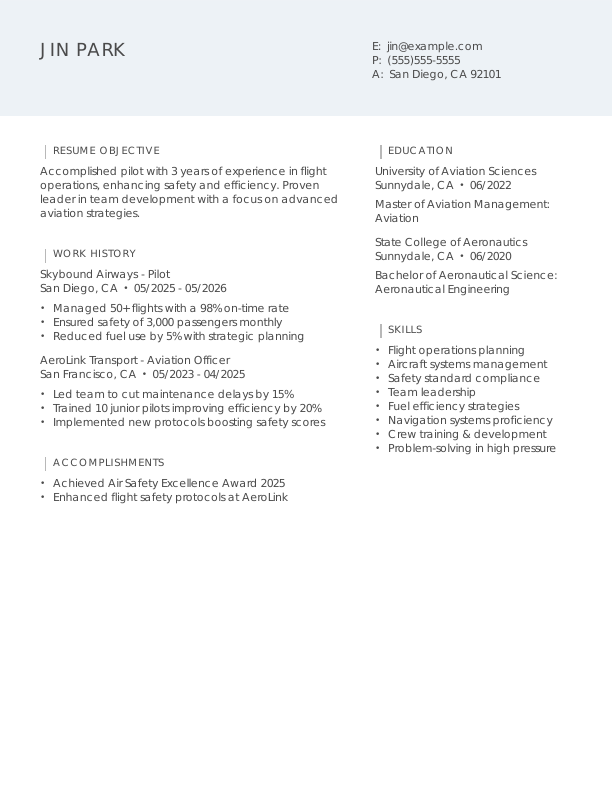
 Free
Free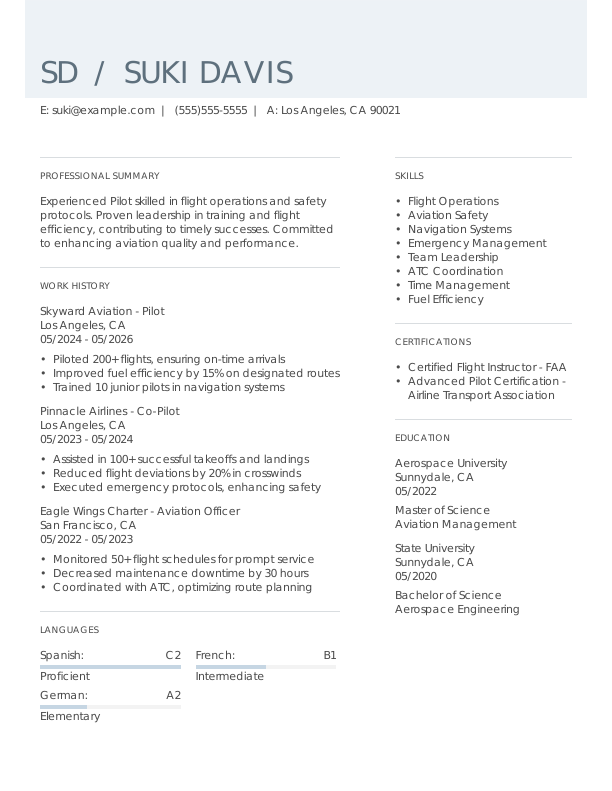
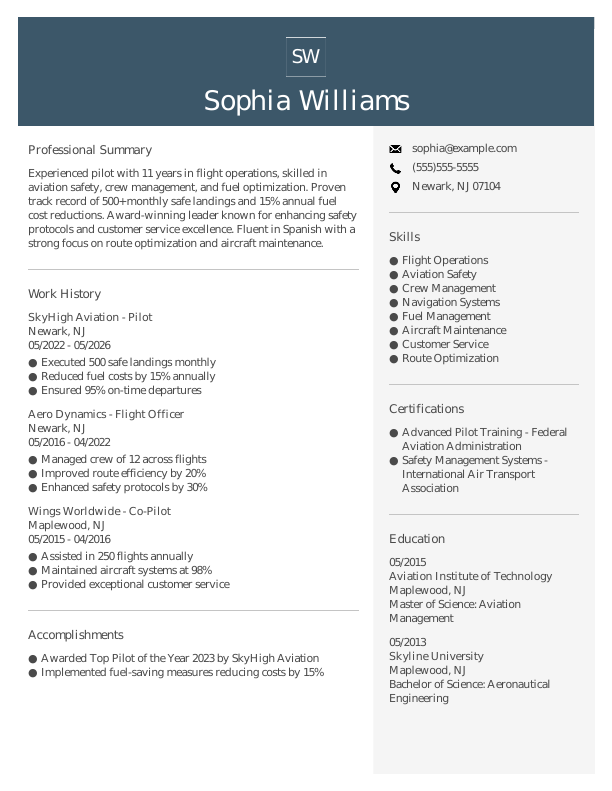
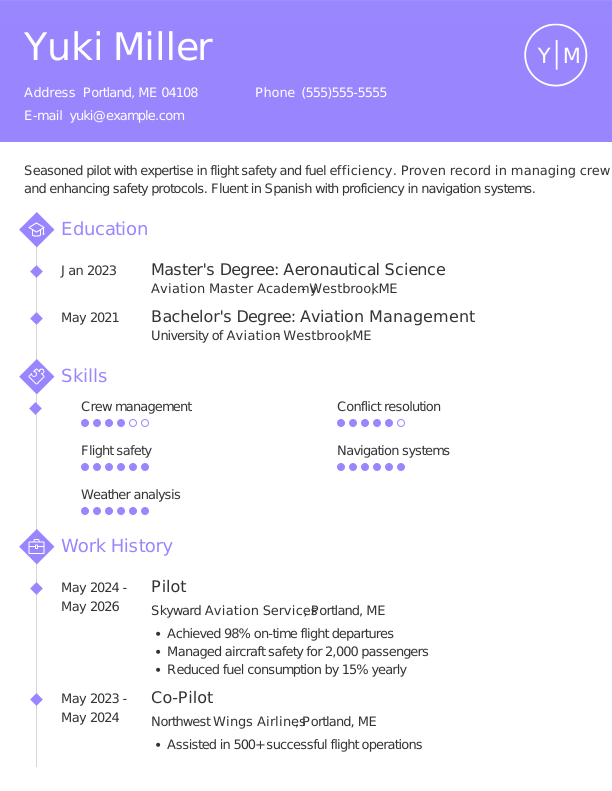
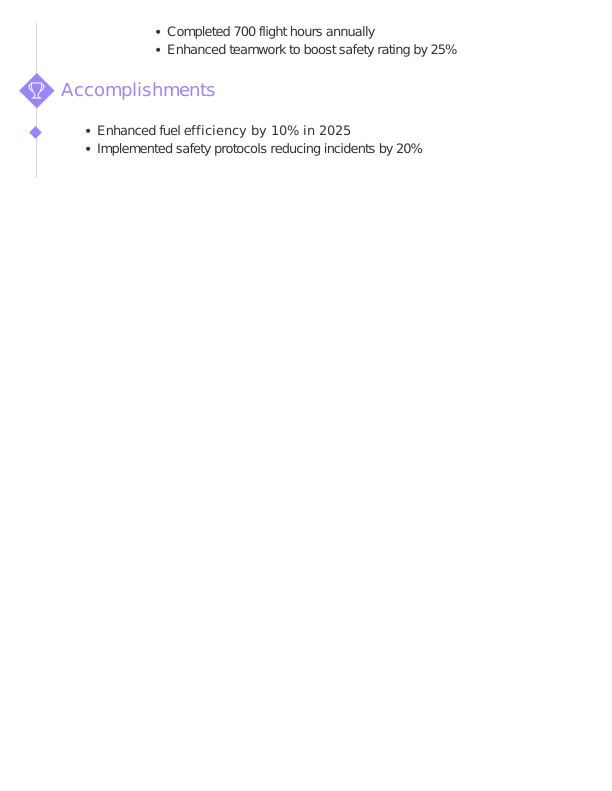
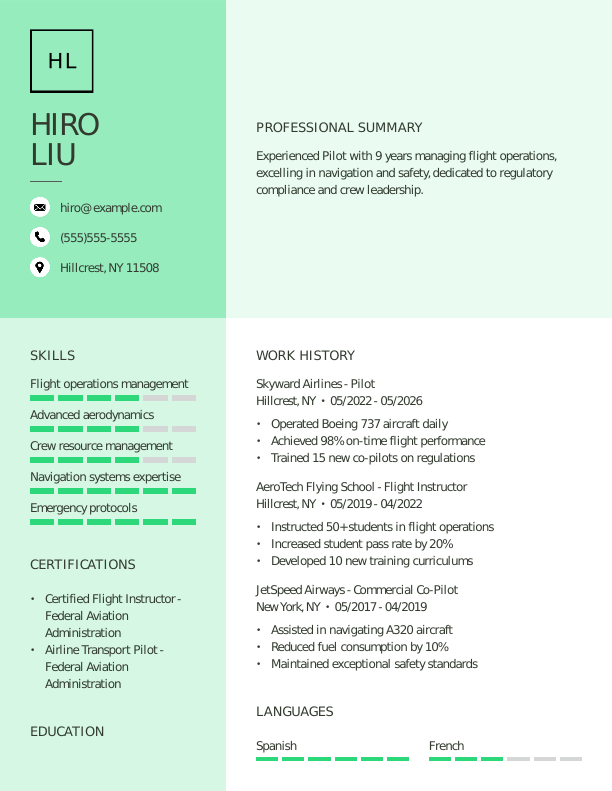

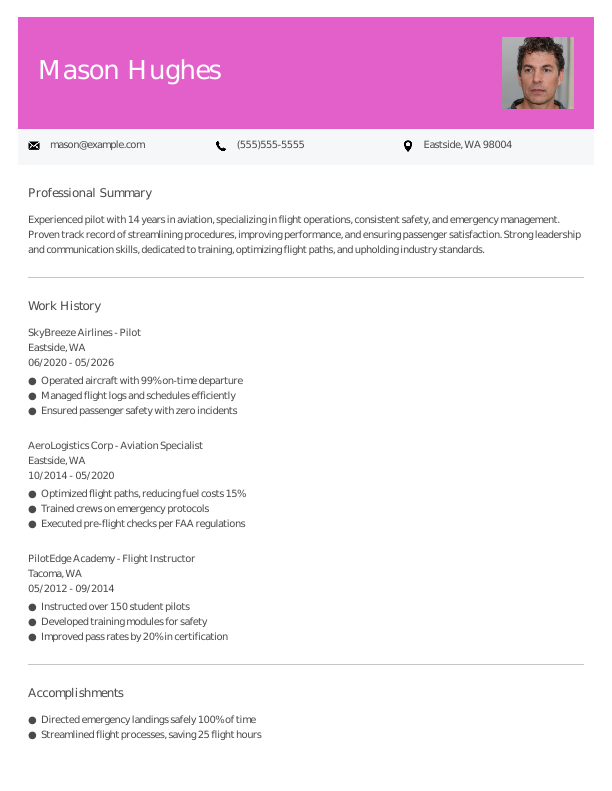

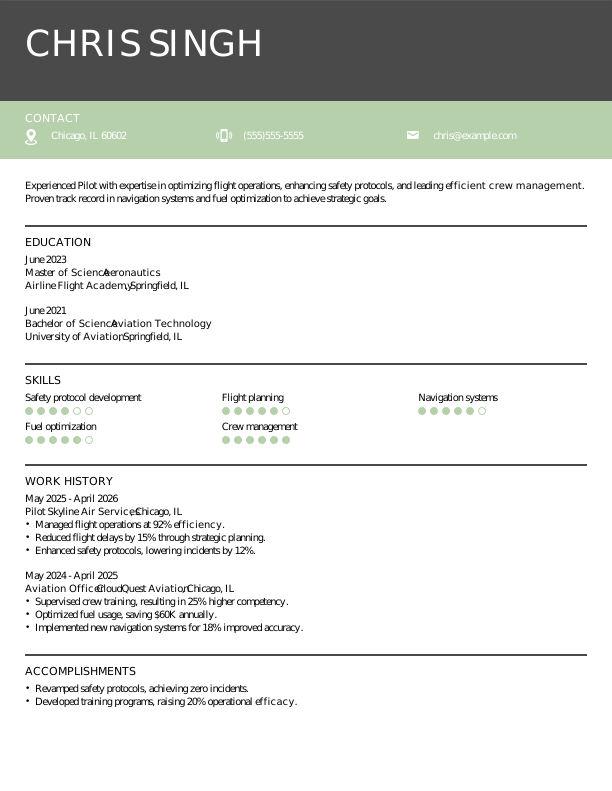

Browse Free Resume Templates
- Accounts Payable
- Adjunct Professor
- Artist
- ATS-Friendly
- Auto Mechanic
- Baker
- Business Development Manager
- Business
- Certified Nursing Assistant
- Classic & Traditional
- Cleaner
- College Student
- Concierge
- Construction Worker
- Corporate
- Creative & Unique
- Custodian
- Customer Service
- Dental Assistant
- Direct Support Professional
- Entry-Level
- Flight Attendant
- Hospitality & Food Service
- Front Desk Receptionist
- Healthcare
- High School
- Housekeeping
- Hvac Technician
- Inventory Manager
- Logistics
- Maintenance
- Management
- Modern
- Mortgage Loan Processor
- Pet Sitter
- Phlebotomist
- Production
- RBT
- Restaurant Server
- Sales
- Security Services
- Simple & Basic
- Social Work
- Teacher
- Technology
Resume Examples for Pilots
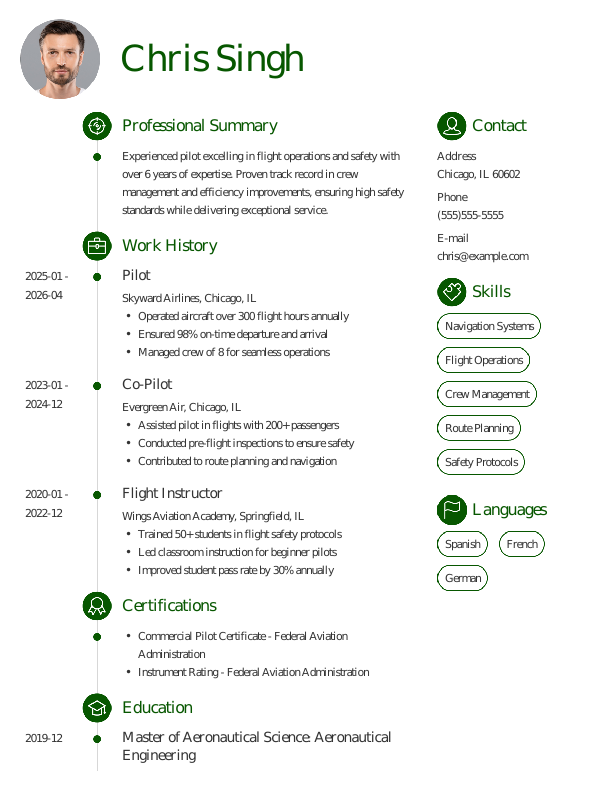
Pilot resumes should reflect your flight hours, ratings, and type certifications. Browse our templates, or build an aviation resume from scratch to organize your credentials your way.
Entry-Level Pilot Resume
This template works well for pilots building their hours toward a commercial or airline position. It helps you write a pilot resume by leading with your ratings, flight school training, and any CFI or regional experience.

Mid-Career Pilot Resume
A smart choice for mid-level pilots seeking advancement, this template effectively showcases flight experience and leadership roles while emphasizing career progression in aviation.

Experienced Pilot Resume
An ideal choice for experienced pilots with over 10 years in aviation, this template supports those targeting advanced flying roles or leadership positions within the industry.

Pilot Resume Template (Text)
Below is a pilot resume in plain text that you can copy directly into your document. It puts your flight hours, ratings, and type certifications front and center.
David Patel
Silverlake, WA 98295
Professional Summary
Professional pilot with 5+ years of aviation expertise. Proficient in aircraft operations, crew leadership, and aviation safety protocols. Proven success in enhancing on-time departures, safety compliance, and team performance in dynamic environments.
Work Experience
May 2023 – May 2026
AeroVision Airlines – Silverlake, WA
Pilot
- Operated Boeing 737 with 98% safety rating
- Reduced operational delays by 25% annually
- Trained 50+ junior pilots on updated protocols
May 2020 – April 2023
SkyBridge Aviation – Silverlake, WA
Co-Pilot
- Assisted flight operations for 800+ hours
- Achieved 97% on-time departure frequency
- Built real-time weather response strategies
May 2018 – April 2020
Altitude Flight Academy – Silverlake, WA
Flight Instructor
- Taught flight basics to 120 aviation students
- Boosted pass rate by 32% in certification exams
- Created detailed simulator training programs
Education
May 2018
Baylor University Waco, TX
Master’s Aviation Management
July 2016
National Aeronautical University Querétaro, Mexico
Bachelor’s Airline Operations
Certifications
- Certified Airline Transport Pilot – Federal Aviation Administration
- Advanced Aircraft Systems Certification – National Pilots Guild
- Weather Navigation Certification – Aviation Safety Academy
Skills
- Aircraft Operations
- Aviation Safety Protocols
- Emergency Response
- Flight Planning
- Team Leadership
- Weather Navigation
- Regulatory Compliance
- Crew Resource Management
How to Write a Pilot Resume
As a pilot, knowing how to write a resume involves showcasing your flying hours, certifications, and experience in a clear format that highlights your qualifications. Use the guidance below to emphasize your strengths and tailor your resume for the specific positions you’re pursuing.
1. Contact Info
Your contact information must be clear, professional, and prominently displayed at the top of your resume.
Be sure to include:
- Full name
- Phone number
- Professional email address
- City and state (ZIP code is optional)
- LinkedIn profile or relevant portfolio (if applicable)
 PRO TIP
Skip including irrelevant personal details such as your age, gender, or social media links unless specifically requested by the employer.
2. Resume Profile
A resume profile is a concise introduction, typically two to four sentences long, that highlights your key qualifications and experiences. It serves as a compelling pitch to hiring managers, aiming to spark their interest and motivate them to delve deeper into your resume.
Positioned at the top of your resume, the profile can take the form of either a summary or an objective. Each option has distinct purposes and benefits:
- A resume summary highlights relevant qualifications, flight experience, and key accomplishments within the aviation sector. This approach works well for individuals with established work history or transferable skills who want to emphasize their contributions as skilled pilots.
- A resume objective highlights your forward-looking career aspirations and what you aim to achieve in your next role. It can be especially useful for recent graduates, individuals completing a flight training program, or those transitioning into aviation from other fields.
Let’s examine the distinctions between a resume summary and a resume objective through the following examples:
Pilot resume summary example:
Dedicated pilot with over 6 years of experience in commercial aviation, including regional and international flights. Proficient in flight operations, safety protocols, and crew collaboration. Acknowledged for maintaining exceptional safety records and delivering outstanding passenger service while adhering to strict regulatory standards.
Pilot resume objective example:
Recent graduate with a commercial pilot license excited to launch a flying career in the aviation industry. Committed to safety and excellence, ready to apply strong problem-solving abilities and teamwork skills within a reputable airline or flight operation setting.
3. Work Experience
The work experience on your resume is important for showcasing your qualifications. Employers assess not only your job titles and responsibilities but also the impact you’ve made in previous roles.
Your work history illustrates how your skills as a pilot align with the requirements of the target position, highlighting your readiness to excel in a new environment.
The work experience section should contain:
- Job title
- Employer name and location
- Dates of employment (month/year)
- 3–5 bullet points detailing your flight operations and safety management achievements
To make your work experience stand out, tailor your bullet points to the pilot role by using industry-specific terminology. Start with action verbs that resonate in aviation, such as “Piloted,” “Navigated,” or “Coordinated.”
Incorporate quantifiable metrics to showcase your impact. Highlighting achievements with specific numbers, like “completed 150 successful flights” or “managed a fleet of 10 aircraft,” can significantly improve your candidacy and set you apart from others.
In general, consider following the format of:
[action verb] + [responsibility] = [result/achievement]
For example:
Conduct pre-flight inspections and safety checks on aircraft, ensuring compliance with FAA regulations for over 100 flights per month, contributing to a 99% on-time performance rate.
Note that you can also flip the result/achievement with the responsibility:
Achieved a 15% increase in flight efficiency through optimized fuel management strategies during operations.
Discover more work experience examples for pilots further down the page.
4. Skills
The skills section offers a concise overview of your core piloting abilities, highlighting your expertise in aviation. This ATS-friendly resume format helps hiring managers quickly assess your qualifications and suitability for the role.
Skills can be categorized into three key areas:
- Soft skills are personal qualities that influence how well pilots collaborate with crew members and air traffic control. Essential soft skills for pilots include communication, teamwork, problem-solving, and adaptability.
- Hard skills are specific, quantifiable abilities gained through education, training, or experience. For pilots, examples include conducting pre-flight inspections, navigating aircraft systems, and managing in-flight emergencies.
- Technical skills refer to the specific abilities required to operate specialized equipment and technology. For pilots, this includes expertise in flight management systems, navigation tools, and communication radios.
In general, aim to showcase a balanced mix of skills that meet the specific requirements of the pilot role. For additional examples of aviation-related skills, explore more options further down the page.
PRO TIP
If you’re a newer pilot, consider placing your skills section higher on your resume right after the summary. If you have more experience, position this section lower and weave your skills into your work history for a more cohesive presentation.
5. Education
Understanding how to list education on your resume is important for showcasing your qualifications. Start by listing your most recent or relevant pilot training, including the type of certification and the institution name.
If you’re a recent graduate, consider adding details like your graduation date, GPA (if it’s 3.5 or higher), any honors received, as well as specific flight hours or coursework related directly to flying.
Pilot resume education section example:
Bachelor of Aviation Science
Embry-Riddle Aeronautical University, Daytona Beach, FL
Graduated: 2024 | Summa Cum Laude
PRO TIP
When listing multiple degrees on your resume, prioritize the most advanced qualifications by presenting them in reverse-chronological order, starting with Bachelor of Aviation (BAv), followed by Associate Degree in Aviation (ADA).
6. Certifications
Certifications are essential as they prove your qualifications and ensure you stay informed about the latest skills in aviation. While this section may not typically appear on a standard resume, it holds significant value for pilots and similar professions. Airlines often require specific licenses or endorsements for specialized roles, such as instrument ratings or type ratings for particular aircraft.
Highlight relevant certifications that improve your application and align with job requirements. Always keep these credentials updated and presented clearly to make a strong impression.
Pilot certification examples:
- Commercial Pilot License (CPL) | Federal Aviation Administration | Expires: 01/2028
- Instrument Rating | Federal Aviation Administration | Expires: 11/2027
- Certified Flight Instructor (CFI) | Federal Aviation Administration | Expires: 03/2028
- Seaplane Rating | Federal Aviation Administration | Expires: 09/2027
Start Building Your Job-Winning Resume
Use Your Existing Resume
Import your current resume to transfer your information to one of our professional templates.
Create a New Resume
Start fresh with a template that catches your eye and follow the prompts to add your details.
Tailor Your Work History to Beat the ATS
Your work experience is not simply a collection of job titles. It serves as a powerful opportunity to demonstrate the measurable impact you’ve made in aviation, including safety records, passenger satisfaction scores, and successful flight operations. This method not only highlights your contributions but also helps create an ATS-friendly resume that applicant tracking systems (ATS) can easily scan.
To maximize effectiveness, tailor your work history to align with the specific role you’re pursuing by using relevant keywords and phrases. Begin by closely examining the job description for key skills and qualifications. Identify frequently mentioned requirements and incorporate those elements into your experience descriptions to improve relevance and appeal.
Popular Resume Bullets for Pilots
These examples are pulled from our most-used entries in the resume builder—based on what hiring managers respond to most.
- Executed pre-flight checks and safety protocols for 150+ flights, ensuring a 99% on-time departure rate.
- Coordinated with air traffic control to optimize flight paths, reducing fuel consumption by 12% annually.
- Mentored junior pilots during training sessions, improving their skill and operational readiness.
- Used advanced flight simulation software to conduct risk assessments and improve emergency response strategies.
- Collaborated with maintenance teams to implement preventive measures, decreasing aircraft downtime by 20%.
Example of Skills for Pilots
Including the right skills for your resume demonstrates to employers and ATS that you have the essential abilities needed for a successful career as a pilot. Since resumes are often scanned quickly, it’s important to ensure that your skills are focused, relevant, and closely aligned with the job description.
The skills listed below reflect what is currently valued in the aviation field. These competencies frequently appear in successful pilot resumes and resonate well with hiring managers seeking qualified applicants.
5 Soft Skills for Your Resume or CV
- Situational awareness
- Effective communication
- Team leadership
- Decision-making under pressure
- Conflict resolution
5 Hard Skills for Your Resume or CV
- Flight planning and navigation
- Aircraft systems operation (Boeing, Airbus)
- Weather assessment and analysis
- Emergency procedures execution
- Aviation safety regulations compliance
What’s a Fair Pilot Salary?
Researching pilot salaries is essential for evaluating job offers, negotiating pay, and making informed career decisions. The data provided comes from the U.S. Bureau of Labor Statistics (BLS) and illustrates the latest nationwide averages for pilots.
Several factors can affect actual earnings, including location, years of experience, certifications, and the type of aircraft operated. For example, commercial pilots flying for major airlines generally earn more than those working in charter services or flight instruction roles.
| Alabama | $145,930 |
| Alaska | $222,280 |
| Arizona | $209,750 |
| Arkansas | $158,600 |
| California | $321,460 |
| Connecticut | $250,950 |
| Delaware | $164,410 |
| Florida | $265,890 |
| Georgia | $357,390 |
| Hawaii | $104,310 |
| Idaho | $124,710 |
| Illinois | $296,570 |
| Indiana | $188,780 |
| Iowa | $158,090 |
| Kansas | $134,580 |
| Kentucky | $413,070 |
| Louisiana | $136,170 |
| Maine | $232,070 |
| Maryland | $139,340 |
| Massachusetts | $148,470 |
| Michigan | $307,070 |
| Minnesota | $188,580 |
| Mississippi | $129,030 |
| Missouri | $166,950 |
| Montana | $108,940 |
| Nebraska | $144,090 |
| Nevada | $191,900 |
| New Hampshire | $126,910 |
| New Jersey | $229,820 |
| New Mexico | $165,500 |
| New York | $290,170 |
| North Carolina | $149,350 |
| North Dakota | $132,640 |
| Ohio | $277,580 |
| Oklahoma | $137,120 |
| Oregon | $264,300 |
| Pennsylvania | $207,920 |
| Rhode Island | $124,860 |
| South Carolina | $163,870 |
| South Dakota | $89,990 |
| Tennessee | $133,850 |
| Texas | $261,260 |
| Utah | $160,530 |
| Vermont | $120,070 |
| Virginia | $279,820 |
| Washington | $382,350 |
| West Virginia | $108,810 |
| Wisconsin | $123,400 |
| Wyoming | $154,970 |
| Guam | $76,500 |
| Puerto Rico | $78,200 |
Key Takeaways
- Tailor your resume to the job description. Incorporate specific terms from the posting to resonate with both ATS and hiring managers.
- Highlight quantifiable achievements. Include metrics that showcase your experience (e.g., flight hours, safety records, successful flight maneuvers) for greater impact.
- Select the appropriate format based on your experience level. New pilots might opt for a functional layout, while seasoned aviators often use a chronological format.
More Resume & CV Examples
- Automotive
- Aviation
- Bus Driver
- Cdl Driver
- Courier
- Delivery Driver
- Driver
- Drone Pilot
- Dump Truck Driver
- Mechanic
- Personal Driver
- School Bus Driver
- Taxi Driver
- Transportation
- Truck Driver
- Uber Driver
Frequently Asked Questions
Last Update:
What resume format should I use for my pilot resume?
There are three main resume formats available for pilots. The choice of format depends on your level of flying experience and the aspects of your career you wish to highlight:
- Chronological: The chronological resume format is the most widely used option, emphasizing your work history by detailing your responsibilities and achievements in a clear timeline. This structure is particularly helpful for job seekers with consistent and relevant job experience, as it reinforces their qualifications and adds credibility to their application.
- Functional: The functional resume, often referred to as a skills-based resume, prioritizes your qualifications and skills over work history. This format is ideal for individuals facing significant employment gaps or lacking direct experience in the field. It allows you to highlight your strengths directly related to the role you seek.
- Combination: The combination resume format merges aspects of chronological and functional resumes, showcasing both skills and work history. This structure allows professionals to emphasize their competencies while also illustrating career growth, making it suitable for those transitioning into new roles or highlighting significant achievements.
Should I include a cover letter with my resume?
Yes, you should include a cover letter with your pilot job application. A well-crafted cover letter lets you articulate your passion for aviation and highlight specific experiences that showcase your qualifications beyond what’s on your resume. It shows hiring managers that you’ve taken the time to tailor your application, which can set you apart from those submitting generic materials.
If you’re unsure about writing a compelling cover letter, don’t let that deter you from including one. Numerous resources are available, such as guides on how to write a cover letter and examples tailored specifically for pilots. You can also explore different formats to determine which best presents your skills and experiences.
For a more streamlined approach, consider using a cover letter generator, which can help you create an effective document by providing templates and suggestions relevant to the piloting field.
How long should a pilot resume be?
For pilots with less than 10 years of experience, a one-page resume is typically sufficient to detail relevant flight hours, certifications (e.g., ATP, MEL), and key competencies. Highlight specific flying experiences and training that showcase readiness for the role while maintaining clarity and organization.
Conversely, seasoned pilots or those in specialized roles may extend their resumes to two pages if the information remains focused. Emphasize leadership positions and unique qualifications, ensuring each entry improves your professional profile without including unnecessary filler language.
What keywords should I include to pass applicant tracking systems (ATS)?
To ensure your resume passes an ATS screening, it’s important to incorporate keywords and phrases directly from the job posting. As a pilot, include specific terms like “flight operations,” “navigation systems,” or “air traffic control.” Additionally, highlight any certifications such as CPL, ATPL, or instrument ratings that show your qualifications. Mention skill in technical tools like flight simulators or cockpit management systems. This precise tailoring will help demonstrate your suitability for the role and increase your chances of securing an interview.
Remember, by aligning your resume with the language used in the job posting, you make it easier for ATS to recognize your skills and expertise.
Should I include flight training or simulator hours?
Yes, particularly if you’re new to flying. Highlighting your flight training and simulator hours showcases your commitment to aviation and demonstrates relevant skills that can attract potential employers, especially when full-time pilot positions are limited.

Toni Frana is a Certified Professional Resume Writer (CPRW), member of the Professional Association of Resume Writers & Career Coaches, and career expert who empowers job seekers to take control of their career paths using Monster’s comprehensive job search and resume tools.
See More From Toni FranaExplore Related Career Advice


How to Explain Employment Gaps: Examples for Resumes, Interviews, & More

Updated:
Jul 17, 2026
|

20 min read






Resume Skills Section Guide: Top Skills to Include & Formatting Tips

Updated:
Jul 15, 2026
|
19 min read