
Free Pet Sitter Resume Templates & Examples
Pet sitting is built on trust, so your resume should emphasize reliability, animal care experience, and strong references. The templates below help you put those qualities first.
Real-World Resumes That Get Results
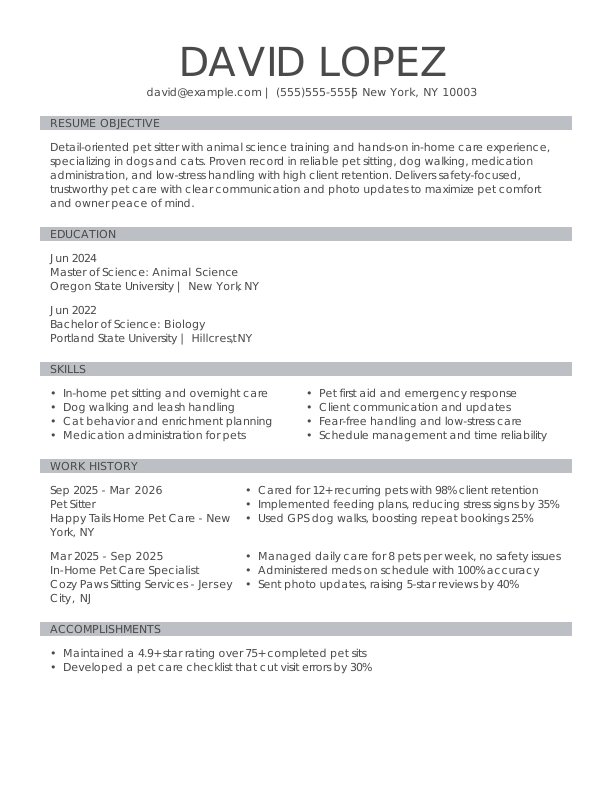
 Free
FreePet Sitter Entry-Level Resume
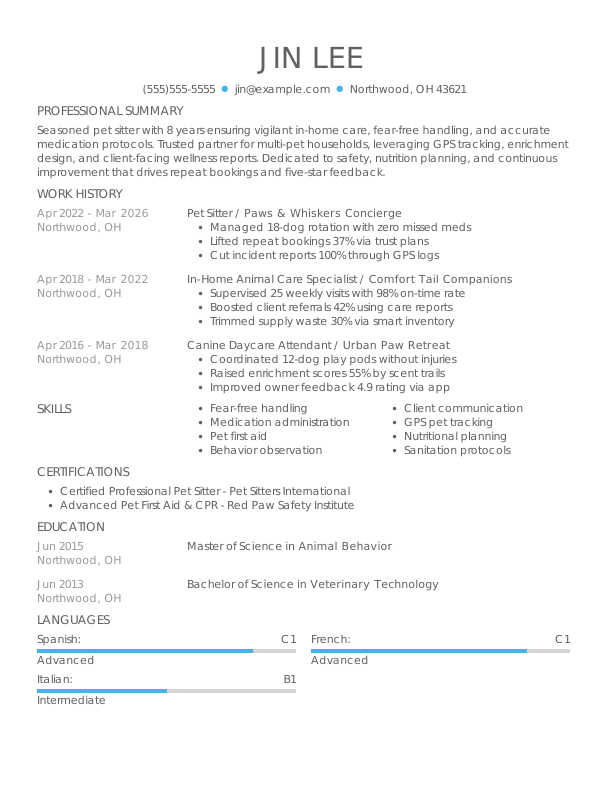
Pet Sitter Mid-Level Resume
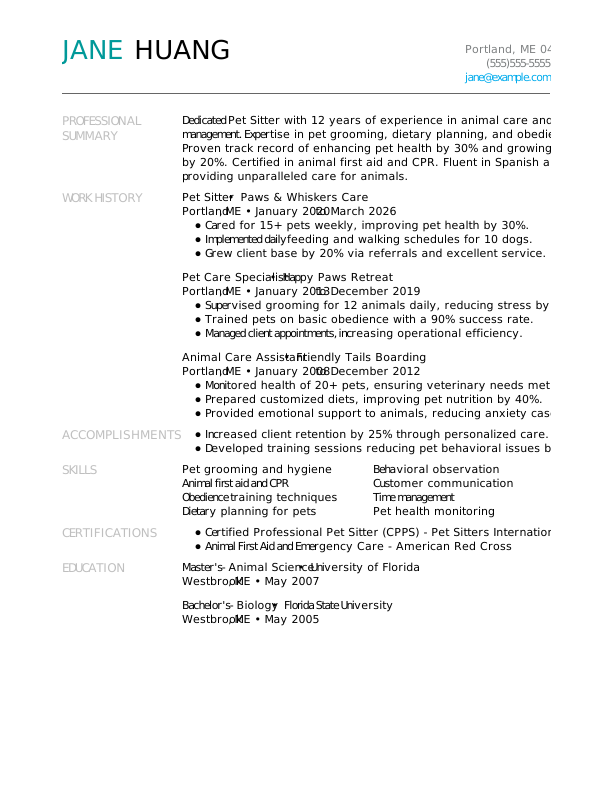
Pet Sitter Experienced Resume
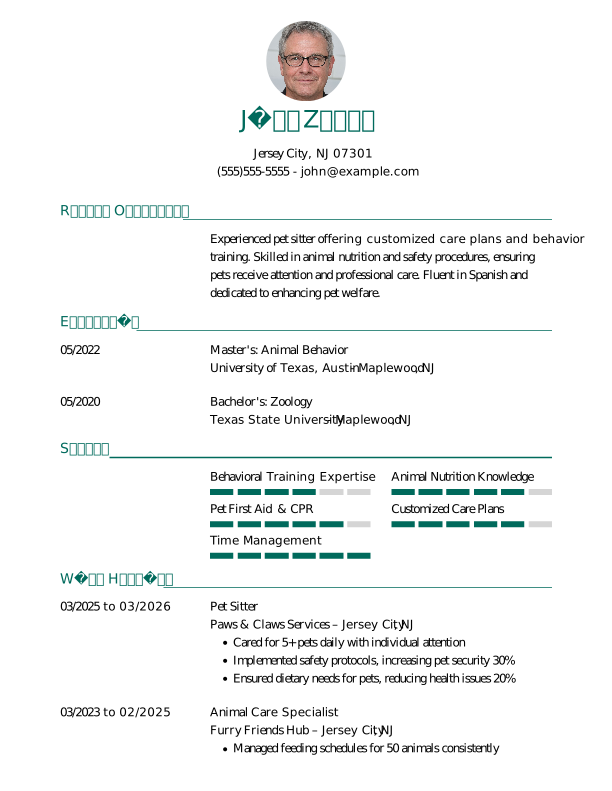
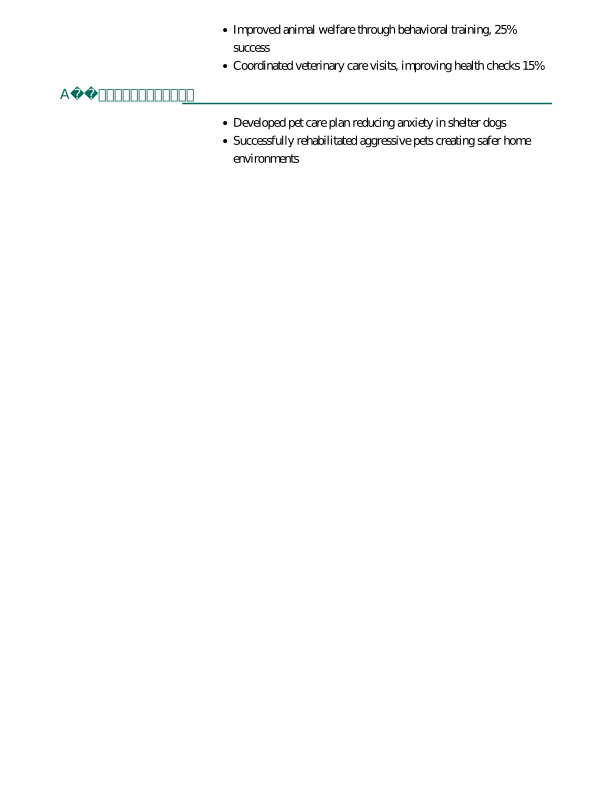
Pet Sitter Entry-Level Resume 1
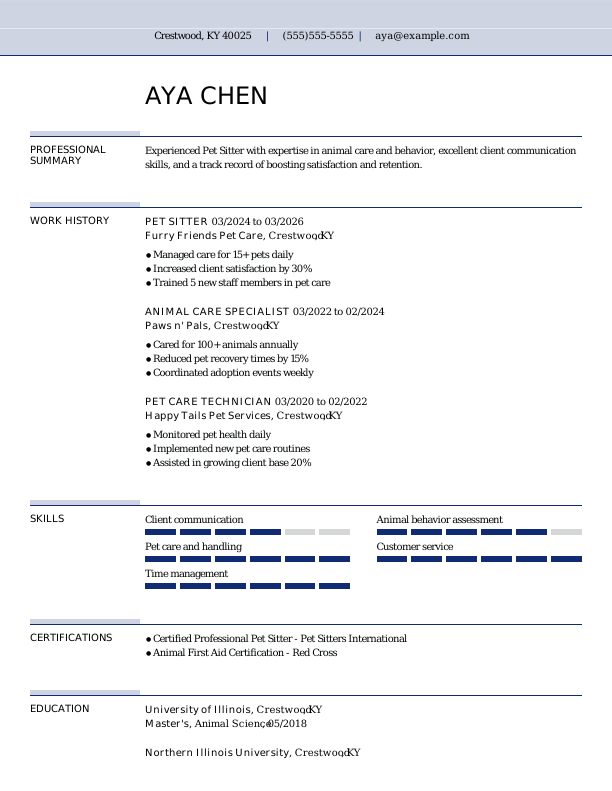

Pet Sitter Mid-Level Resume 1
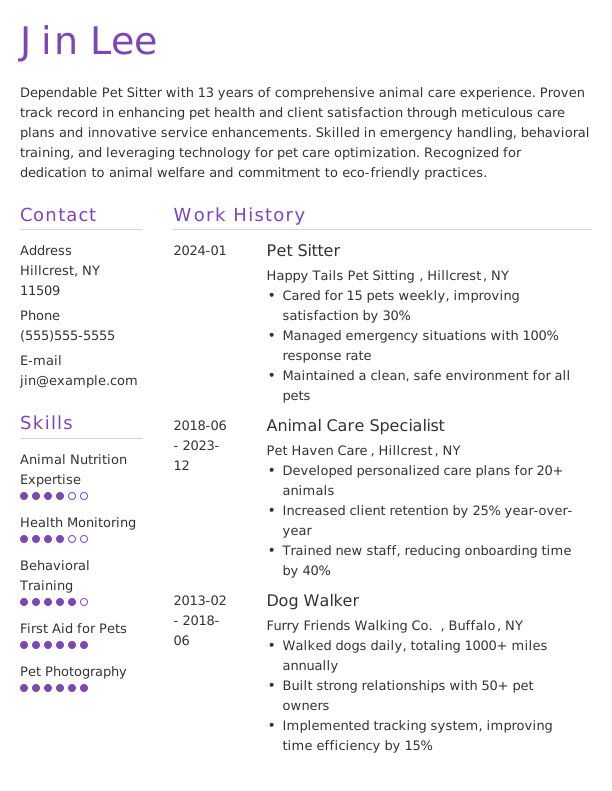
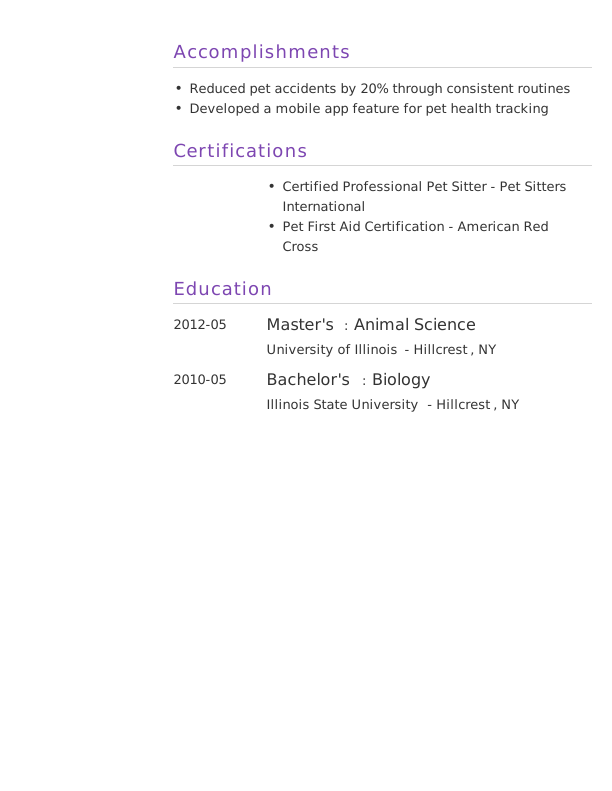
Pet Sitter Experienced Resume 1
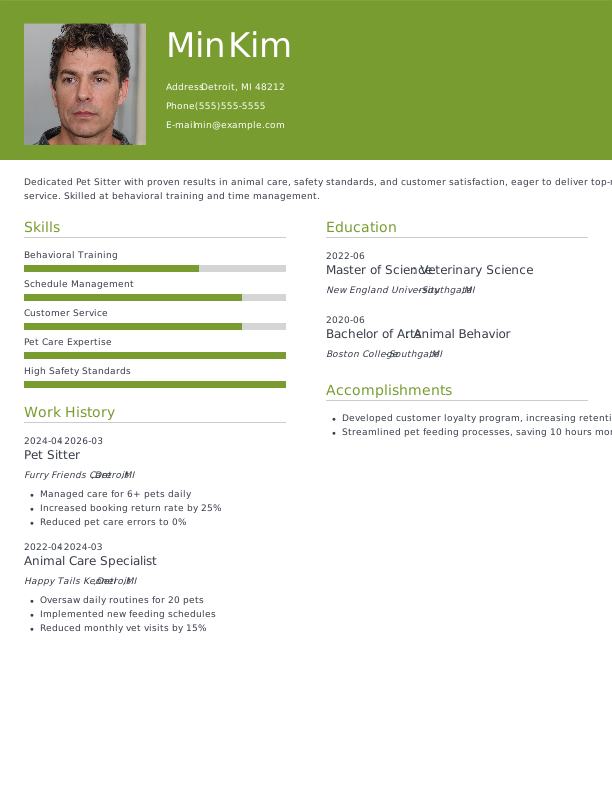
Pet Sitter Entry-Level Resume 2
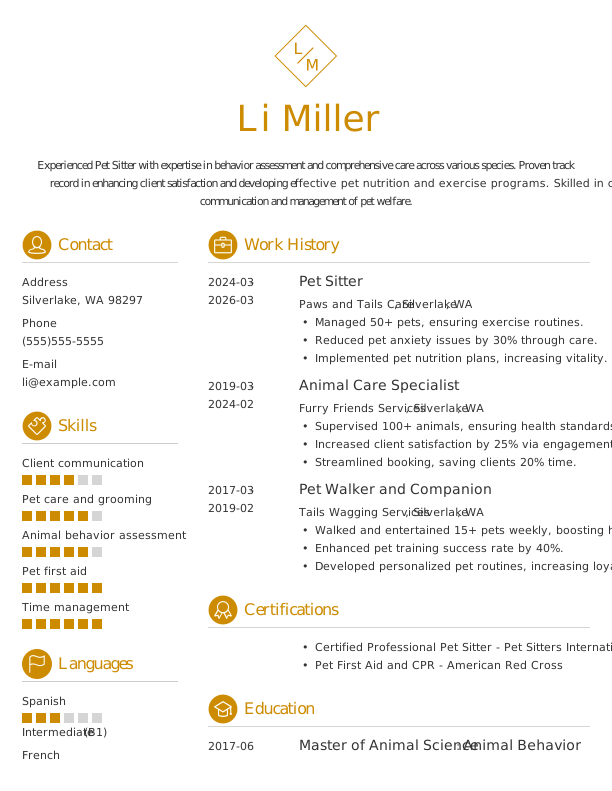
Pet Sitter Mid-Level Resume 2
Browse Free Resume Templates
- Accounts Payable
- Adjunct Professor
- Artist
- Auto Mechanic
- Baker
- Business Development Manager
- Business
- Certified Nursing Assistant
- Classic & Traditional
- Cleaner
- College Student
- Concierge
- Construction Worker
- Corporate
- Creative & Unique
- Custodian
- Customer Service
- Dental Assistant
- Direct Support Professional
- Entry-Level
- Flight Attendant
- Hospitality & Food Service
- Front Desk Receptionist
- Healthcare
- High School
- Housekeeping
- Hvac Technician
- Hybrid
- Inventory Manager
- Logistics
- Maintenance
- Management
- Modern
- Mortgage Loan Processor
- Phlebotomist
- Production
- Rbt
- Sales
- Security Services
- Restaurant Server
- Simple & Basic
- Social Work
- Teacher
- Technology
Resume Examples for Pet Sitters
Pet sitter resumes should adapt to your level of experience, whether you are just starting out or managing a regular client base. Explore our templates to find one that works for you.
Entry-Level Pet Sitter Resume
If you are starting a pet sitting career, this template helps you write a pet sitter resume by emphasizing your animal care knowledge, reliability, and any experience caring for pets informally.

Mid-Career Pet Sitter Resume
A smart choice for pet care professionals aiming to elevate their careers, this template showcases experience and achievements that attract specialized roles in the pet services industry.

Experienced Pet Sitter Resume
An ideal choice for pet care professionals with over 10 years of experience, this template supports applicants seeking to improve their service offerings and grow their client relationships.

Pet Sitter Resume Template (Text)
Below is a pet sitter resume in plain text format. Copy it into your document and adjust the details to reflect your animal care experience, certifications, and client relationships.
Yuki Kim
Louisville, KY 40211
Professional Summary
Experienced Pet Sitter with robust animal care expertise. Proven track record improving pet wellness and expanding client satisfaction using innovative strategies. Skilled in behavioral analysis, safety protocols, and time management.
Work Experience
January 2025 – Current
Furry Friends Care – Louisville, KY
Pet Sitter
- Cared for 15 pets daily, ensuring wellness
- Implemented healthy routines with 95% client satisfaction
- Expanded client base by 40% through strategic marketing
June 2023 – December 2024
Happy Paws Haven – Louisville, KY
Animal Care Specialist
- Managed care for 30+ pets daily
- Improved patient handling efficiency by 60%
- Raised facility care standards by implementing new protocols
March 2022 – May 2023
Compassionate Animal Therapy – Louisville, KY
Pet Therapy Assistant
- Facilitated therapy sessions for 20+ pets weekly
- Enhanced therapy engagement by 30%
- Initiated new therapy programs improving outcomes
Education
June 2021
University of Washington Crestwood, KY
Master of Science Animal Behavior
June 2019
Oregon State University Crestwood, KY
Bachelor of Science Zoology
Certifications
- Certified Professional Dog Trainer – National Association of Dog Trainers
- Pet First Aid Certification – American Red Cross
Skills
- Animal Care Expertise
- Pet Behavior Analysis
- Client Relationship Management
- Safety Protocols
- First Aid for Pets
- Time Management
- Public Speaking
- Problem Solving
How to Write a Pet Sitter Resume
As a pet sitter, understanding how to write a resume means showcasing your relevant skills and experience while using a format that makes you stand out. Use the guidance below to emphasize your strengths and tailor your resume for the pet care roles you’re aiming for.
1. Contact Info
Your contact information should be prominently displayed at the top of your resume, ensuring clarity and professionalism.
Be sure to include:
- Full name
- Phone number
- Professional email address
- City and state (ZIP code is optional)
- LinkedIn profile or relevant portfolio (if applicable)
 PRO TIP
Avoid including irrelevant personal details such as your age, religion, or social media profiles on your resume unless specifically requested by the employer.
2. Resume Profile
A resume profile is a brief introductory section, typically spanning 2 to 4 sentences. It acts as an engaging pitch to hiring managers, highlighting your key qualifications and prompting them to explore your resume further.
This profile is positioned at the top of your resume, serving either as a summary or an objective depending on your focus. Each option has distinct purposes that can tailor your message:
- A resume summary showcases relevant experience, skills, and accomplishments that highlight your dedication to animal care and companionship. This format benefits individuals with relevant work history or transferable experience who wish to illustrate their impact as a reliable pet sitter.
- A resume objective highlights your future aspirations and the goals you aim to achieve in your career. It’s particularly beneficial for recent college graduates, individuals switching careers, or those with limited experience, such as volunteers seeking roles in pet care or animal services.
Let’s examine the differences between a resume summary and a resume objective to clarify their distinct purposes:
Pet sitter resume summary example:
Dedicated pet sitter with over 6 years of experience caring for diverse animals in home and kennel environments. Proficient in animal behavior assessment, feeding routines, and medication administration. Acknowledged for building strong relationships with pets and their owners, ensuring peace of mind during absences.
Pet sitter resume objective example:
Recent graduate with a certification in pet care excited to launch a career as a pet sitter in a nurturing environment. Dedicated to providing exceptional animal welfare and looking to contribute reliability and compassion within a local pet care service or community-focused organization.
3. Work Experience
The work experience on your resume showcases your qualifications as an applicant. Employers assess this area to grasp not only your previous roles but also the specific contributions you have made throughout your career. This background reveals how well-suited you’re for the pet sitter role, highlighting your ability to care for animals and manage responsibilities.
The work experience section should contain:
- Job title
- Employer name and location
- Dates of employment (month/year)
- 3–5 bullet points describing your pet care responsibilities and achievements
When crafting your work experience bullet points, focus on tailoring your language to the pet sitting profession. Start each statement with a strong action verb such as “Cared for,” “Oversaw,” or “Coordinated” to grab attention.
Incorporate quantifiable metrics to showcase your accomplishments. Specific numbers and details highlight your contributions and set you apart from other applicants, making your application more compelling.
In general, consider following the format of:
[action verb] + [responsibility] = [result/achievement]
For example:
Cared for and exercised over 10 dogs daily, ensuring optimal health and happiness, resulting in a 95% return rate from satisfied clients.
Note that you can also flip the result/achievement with the responsibility:
Achieved a 30% increase in client retention by implementing a personalized pet care plan tailored to individual needs.
With these techniques in mind, your resume bullets may look something like:
- Cared for up to 5 pets daily, ensuring their well-being and reducing anxiety levels through personalized attention.
- Administered medications and special diets for pets, achieving a 100% adherence rate with prescribed care plans.
- Maintained detailed logs of pet activities and health observations, improving communication with pet owners.
- Collaborated with pet owners to create tailored care routines that improved overall pet happiness.
- Mentored new sitters on best practices for animal handling and safety procedures.
4. Skills
The skills section gives a concise overview of your abilities as a pet sitter, highlighting your expertise in animal care and management.
Your skills can be grouped into three main areas:
- Soft skills are personal qualities that influence how well pet sitters connect with both pets and their owners.
- Hard skills are specific, measurable abilities gained through education, training, or practical experience.
- Technical skills are the specific abilities required to manage tasks and use tools effectively in a profession.
5 Soft Skills for Your Resume or CV
- Animal empathy
- Effective communication
- Time management
- Problem-solving skills
- Customer service
5 Hard Skills for Your Resume or CV
- Pet feeding and medication dispensing
- Behavior observation and reporting (PetDesk, Pawtrack)
- Grooming assistance
- Safety and emergency protocols
- Technology use for pet activity tracking (Whistle, FitBark)
In general, aim to include a variety of relevant skills that match the specific requirements of the pet sitter role.
PRO TIP
If you’re a newer pet sitter, consider placing your skills section higher on your resume, right after your summary. For those with more experience, it’s better to position this section lower and weave your skills throughout your work history.
5. Education
Understanding how to list education on your resume is essential for showcasing your skills and passion for animal care, especially when presenting your experience as a pet sitter. Begin by listing your most relevant experience, such as pet sitting jobs or volunteer work with animals. If you’re new to the field, include details like the types of pets you’ve cared for, any specialized training you’ve completed, or positive feedback from pet owners to strengthen your application.
Pet sitter resume education section example:
Associate Degree in Veterinary Technology
Purdue University, West Lafayette, IN
Graduated: 2024 | Summa Cum Laude
PRO TIP
When listing multiple degrees on your resume, always arrange them in reverse-chronological order, highlighting your highest qualification first, such as Bachelor of Science in Animal Care followed by Associate Degree in Pet Care Services.
6. Certifications
Certifications highlight your expertise and ensure you stay informed about the latest practices in pet care. While not always included in a conventional resume, this section is important for many professionals in the pet industry. Pet sitters may need specific training or certifications to handle particular breeds or health issues effectively.
Be sure to showcase any relevant certifications that improve your qualifications as a pet sitter. Keeping these credentials current and clearly formatted can significantly strengthen your application.
Pet sitter certification examples:
- Pet Sitter Certification | National Association of Professional Pet Sitters | Expires: 01/2028
- Pet First Aid and CPR Certification | American Red Cross | Expires: 11/2027
- Dog Training Certification | Certification Council for Professional Dog Trainers | Expires: 05/2028
- Feline Behavior Certification | International Association of Animal Behavior Consultants | Expires: 09/2027
Start Building Your Job-Winning Resume
Use Your Existing Resume
Import your current resume to transfer your information to one of our professional templates.
Create a New Resume
Start fresh with a template that catches your eye and follow the prompts to add your details.
Tailor Your Work History to Beat the ATS
Your work experience section is not just a collection of job titles. It’s your opportunity to highlight the tangible impact you’ve made in pet care through specific examples, showcasing your dedication and expertise. This approach also helps create a more ATS-friendly resume that applicant tracking systems (ATS) can effectively scan.
To make your work history compelling, tailor it to align with the role you’re pursuing by incorporating relevant keywords from the job description. Begin by analyzing the posting closely for recurring skills or qualifications mentioned. Then, ensure those elements are reflected in how you describe your experiences to resonate with potential employers.
Key Takeaways
- Customize your resume for each job application. Use the specific terms from the job description to resonate with both ATS and hiring managers.
- Highlight quantifiable accomplishments relevant to pet care (e.g., number of pets cared for, positive client feedback ratings, repeat clients) to demonstrate your impact.
- Select a resume format that fits your experience. New pet sitters may find a functional layout helpful, while seasoned sitters usually prefer a reverse-chronological format.
More Resume & CV Examples
- Animal Care
- Dog Sitter
- Dog Walker
- Veterinarian
- Veterinary Assistant
- Veterinary Receptionist
- Veterinary Technician
Cover Letters for Your Resume
Browse our library of cover letter examples to complete your application. A resume will have a better chance of getting noticed.
Frequently Asked Questions
Last Update:
What resume format should I use for my pet sitter resume?
There are three main resume formats to consider when applying for a pet sitter position. Your choice should reflect your experience level and highlight the skills you wish to showcase:
- Chronological: The chronological resume format is the most widely used type, emphasizing your work history by outlining your roles and accomplishments. It’s particularly suitable for job seekers with a steady employment background that reinforces their qualifications and adds credibility to their applications. This format helps potential employers see your career progression clearly.
- Functional: The functional resume, often called a skills-based resume, highlights your qualifications and skills instead of focusing on your work history. This format is particularly beneficial for those entering new fields or facing employment gaps, as it allows you to showcase relevant abilities and strengths.
- Combination: A combination resume mixes the chronological and functional formats, showcasing both skills and work history. This dual approach allows professionals to emphasize their abilities alongside career advancements, making it beneficial for those looking to transition into new fields or highlight significant experience.
Should I include a cover letter with my resume?
Yes, you should include a cover letter when applying for a pet sitter position. A thoughtfully-written cover letter allows you to express your love for animals and share experiences that showcase your reliability and skills beyond what’s listed on your resume. It demonstrates to potential clients that you’re genuinely interested in providing the best care for their pets, which can set you apart from applicants who submit only a resume.
If you’re hesitant about writing a cover letter, there are many resources available to assist you. You can find guides on how to write an effective cover letter, along with examples specifically tailored for pet-sitting roles. Additionally, exploring various cover letter formats will help you choose one that best displays your passion and relevant experience.
How long should a pet sitter resume be?
For pet sitters with less than 10 years of experience, a one-page resume should suffice to highlight relevant skills and experiences. Focus on showcasing your pet care certifications, references, and any specialized training that strengthens your candidacy. A concise format improves clarity and draws attention to your qualifications.
Conversely, those in senior or specialized roles may extend their resumes to two pages if necessary. Ensure that each detail is relevant and contributes to the overall narrative, emphasizing areas such as business management or advanced pet care techniques while avoiding extraneous content.
What keywords should I include to pass applicant tracking systems (ATS)?
To improve your resume for pet sitting roles, focus on incorporating keywords directly from the job posting. Look for terms like “animal care,” “behavior assessment,” or “pet first aid” as these are likely to resonate with hiring managers. Using specific phrases showcases your understanding of the role and makes your application more relatable.
Don’t forget to highlight any relevant certifications such as Pet CPR, Animal Behavior Certification, or Dog Training qualifications. Including tools you’re familiar with, like pet management software or scheduling apps, can also strengthen your profile. This approach ensures that you stand out during ATS screenings and increases your chances of landing an interview.
Is it important to include pet care volunteering or informal sitting experiences on my resume?
Yes, especially if you’re new to the pet sitting industry. Highlighting volunteer work shows your commitment and practical experience with animals, making you more appealing to potential clients even without extensive formal experience.

Kirsten Chorpenning is a career advice writer who empowers job seekers to take control of their career paths using Monster’s comprehensive job search and resume tools. She specializes in helping job seekers find rewarding jobs in today’s dynamic work environment.
See More From Kirsten ChorpenningExplore Related Career Advice


How to Put Transferable Skills on Your Resume: 120 Skills, Examples, & Tips
Updated:
Aug 27, 2026
|

16 min read


How to Write a Functional Resume (Formatting Tips, Template, & Examples)
Updated:
Aug 7, 2026
|
17 min read


Functional vs Chronological Resume: Which Format Is Right for You?
Updated:
Aug 3, 2026
|
16 min read

100+ Resume Adjectives to Help You Write a Stronger Resume in 2026 (With Examples)
Updated:
Jul 30, 2026
|
12 min read