
Free Physical Science Resume Templates & Examples
Elevate your job search with expertly designed physical science resume templates that help you get more interviews. These free resume templates include valuable writing tips to make sure your resume or CV showcases your qualifications and catches the eye of hiring managers.
Real-World Resumes That Get Results
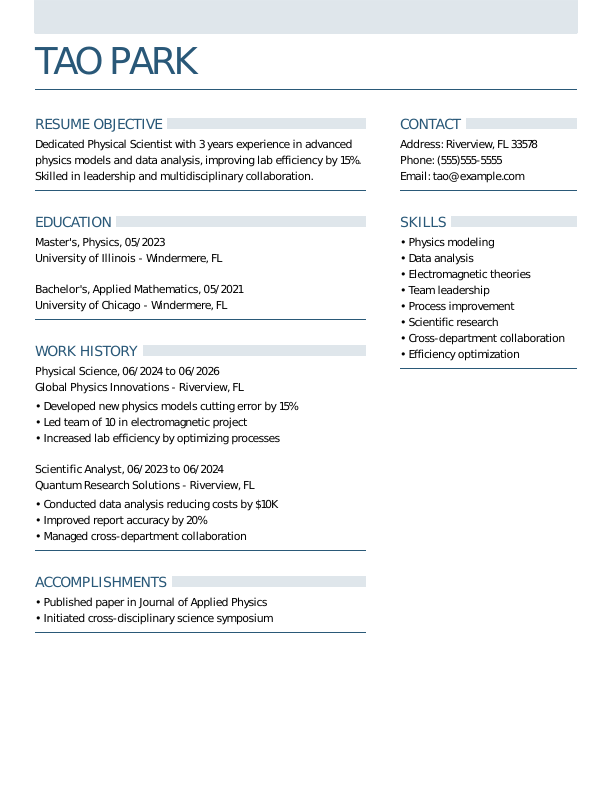
 Free
FreePhysical Science Entry-Level Resume
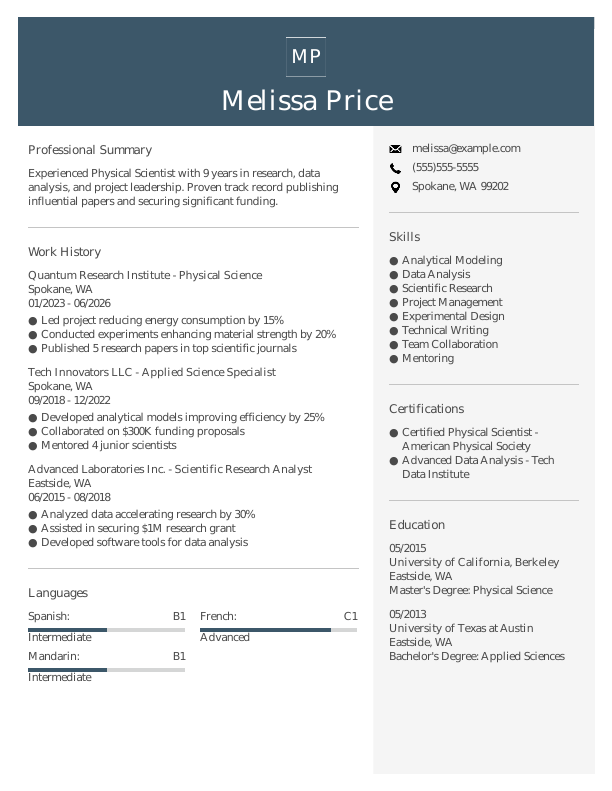
Physical Science Mid-Level Resume
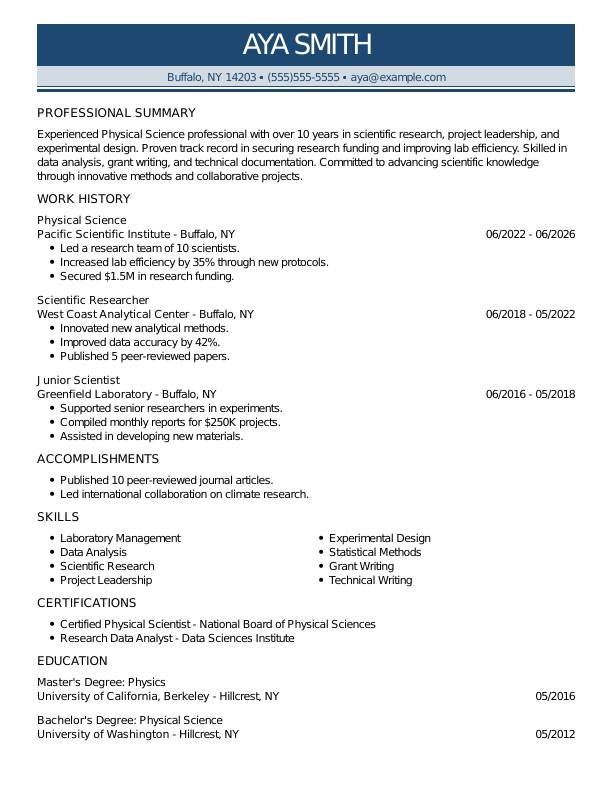
Physical Science Experienced Resume
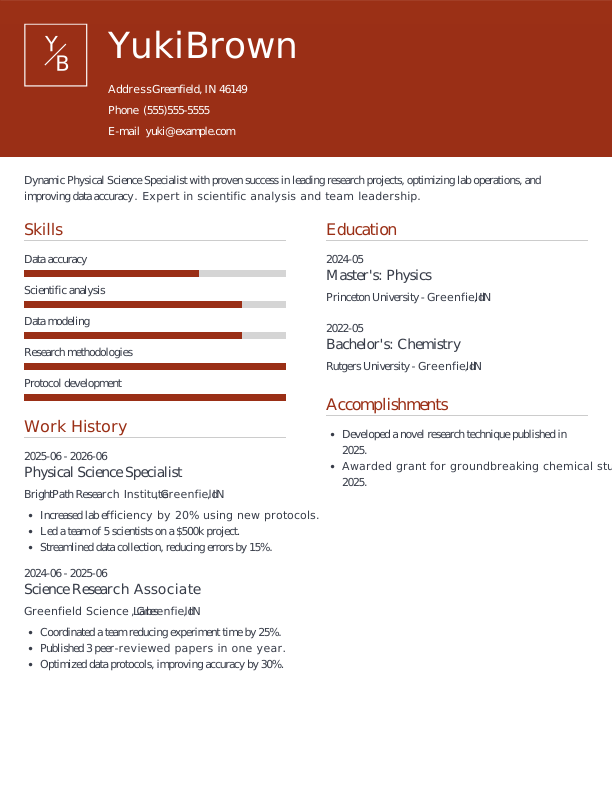
Physical Science Modern Resume
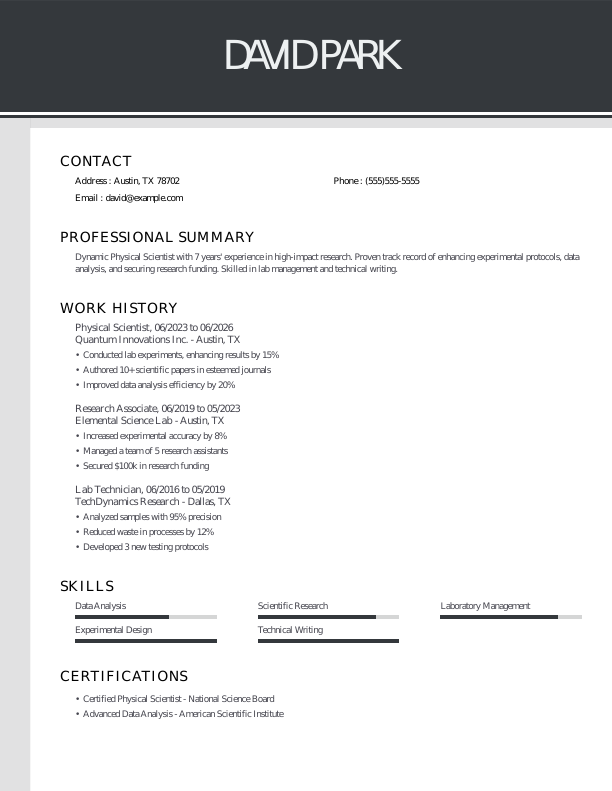
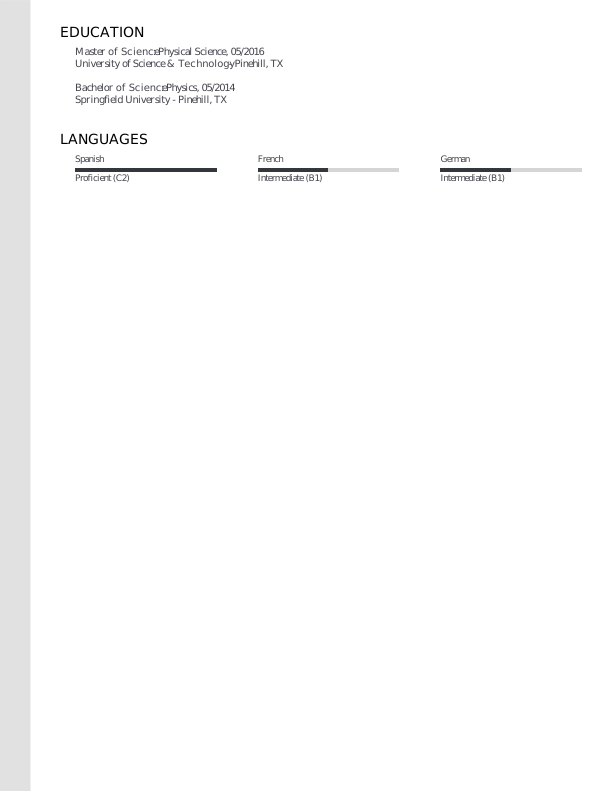
Physical Science Creative Resume
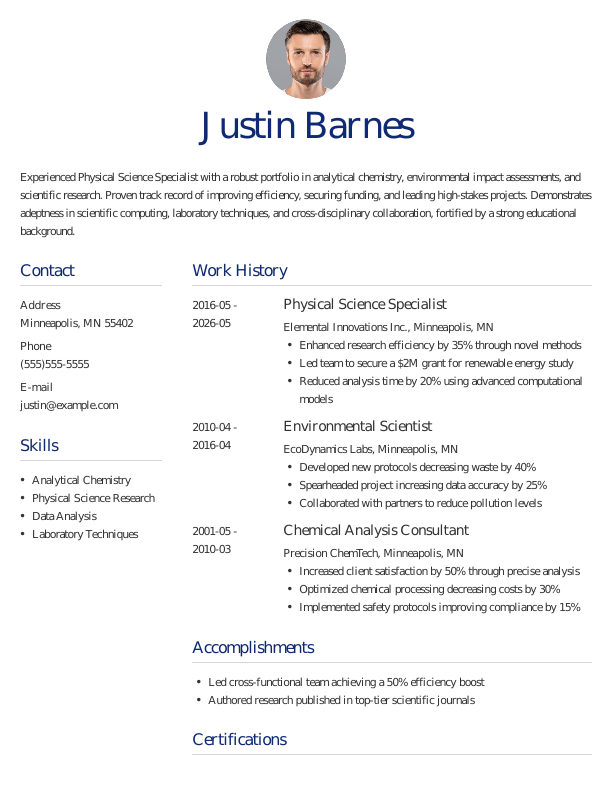
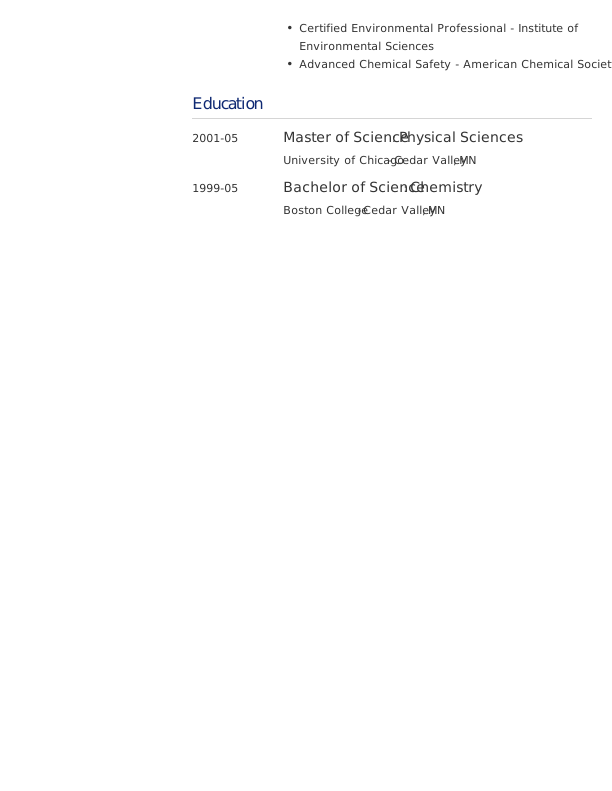
Physical Science Traditional Resume
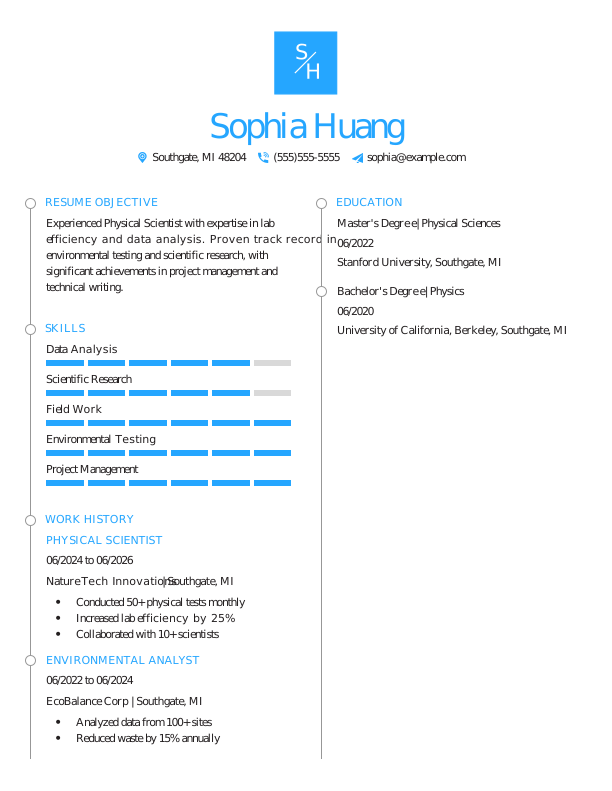
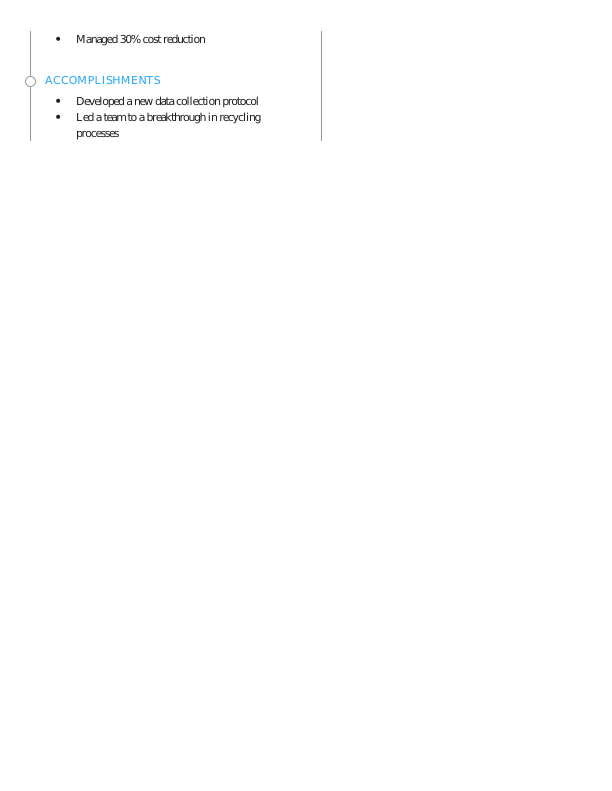
Physical Science Simple CV Example
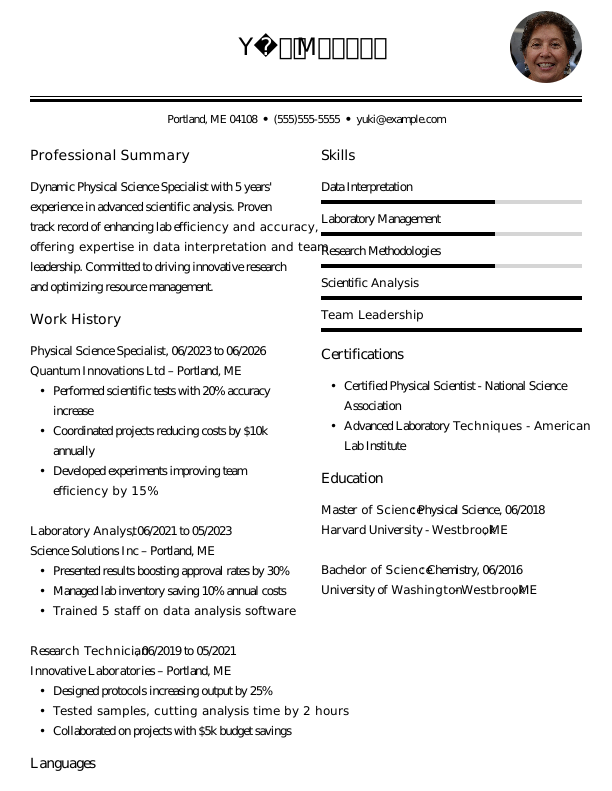

Physical Science CV Format
Browse Free Resume Templates
- Accounts Payable
- Adjunct Professor
- Artist
- ATS-Friendly
- Auto Mechanic
- Baker
- Business Development Manager
- Business
- Certified Nursing Assistant
- Classic & Traditional
- Cleaner
- College Student
- Concierge
- Construction Worker
- Corporate
- Creative & Unique
- Custodian
- Customer Service
- Dental Assistant
- Direct Support Professional
- Entry-Level
- Flight Attendant
- Hospitality & Food Service
- Front Desk Receptionist
- Healthcare
- High School
- Housekeeping
- Hvac Technician
- Inventory Manager
- Logistics
- Maintenance
- Management
- Modern
- Mortgage Loan Processor
- Pet Sitter
- Phlebotomist
- Production
- RBT
- Restaurant Server
- Sales
- Security Services
- Simple & Basic
- Social Work
- Teacher
- Technology
Resume Examples for Physical Science Professionals
Resumes and CVs for physical science roles vary significantly based on your career stage and field. Explore tailored templates for entry-level, mid-career, and experienced positions across the spectrum of physical science—all crafted to inspire your own resume.
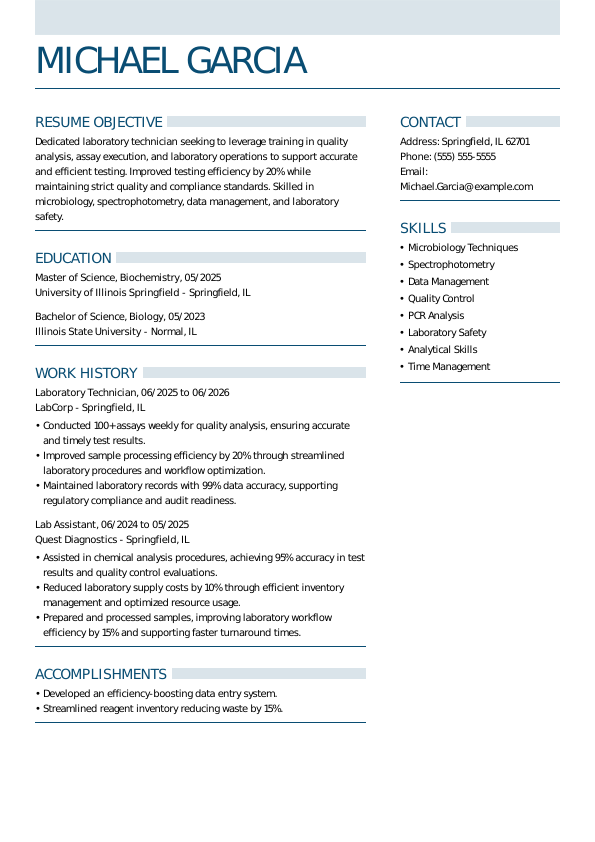
Laboratory Technician Resume
Ideal for recent graduates who need help writing a resume if you don’t have experience, this template also supports candidates transitioning into laboratory and physical science careers.
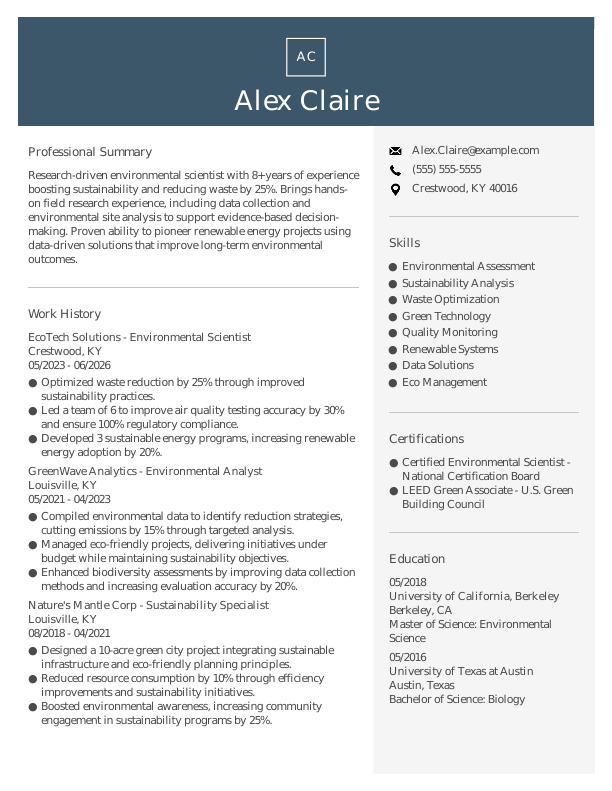
Environmental Scientist Resume
A strong fit for environmental science professionals, this resume highlights sustainability initiatives, research experience, environmental compliance, and data-driven achievements that support career growth in the field.
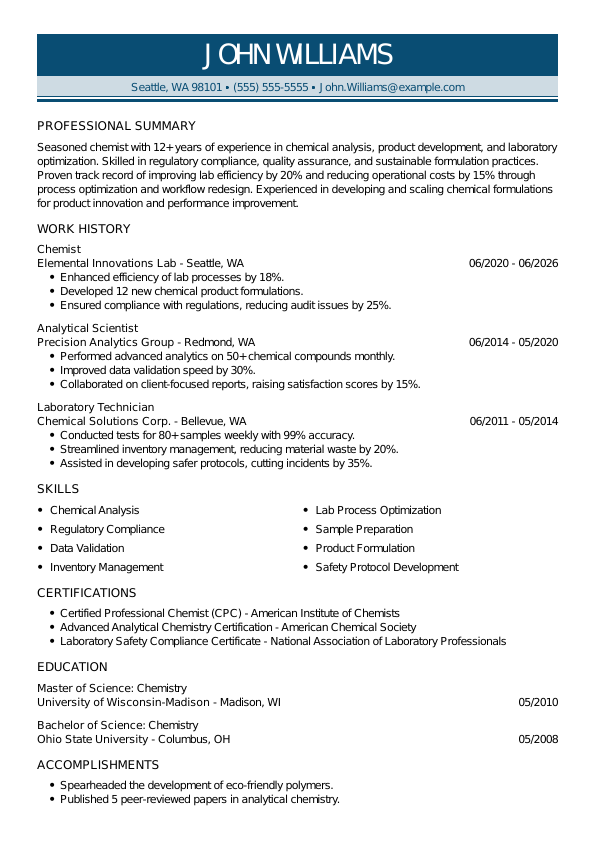
Chemist Resume
Well suited for experienced chemists, this resume highlights laboratory leadership, chemical analysis, regulatory compliance, and research achievements that support advancement in scientific and research-focused roles.
Physical Science Resume Template (Text)
Use this customizable text template of a physical science resume to copy, edit, and personalize directly in your document or file. You can also browse more professional templates in our library.
Chris Park
Los Angeles, CA 90001
(555)555-5555
Chris.Park@example.com
Professional Summary
Experienced Physical Science Specialist with 8+ years in research, lab management, and spectroscopy. Proven track record in implementing safety protocols, enhancing productivity, and delivering accurate analyses. Expertise in data-driven methodologies and collaborative teamwork.
Work Experience
Physical Science Specialist
Quantum Dynamics Research Center – Los Angeles, CA
June 2022 – June 2026
- Developed physical models, improving accuracy by 25%
- Led analytical research, reducing operational errors by 18%
- Collaborated on lab experiments, increasing efficiency by 30%
Lab Scientist
Innovative Science Solutions – San Francisco, CA
June 2018 – May 2022
- Conducted spectroscopy studies, enhancing precision by 20%
- Managed team projects, boosting productivity by 15%
- Procured lab equipment, cutting costs by $10,000 per year
Research Associate
NovaTech Labs – San Diego, CA
June 2014 – May 2018
- Wrote technical reports, reducing approval delays by 12%
- Maintained chemical samples, minimizing errors by 22%
- Implemented safety protocols, increasing compliance by 95%
Education
Master of Science in Physical Sciences
Stanford University, Stanford, CA
June 2014
Bachelor of Science in Physics
University of Michigan, Ann Arbor, MI
June 2012
Certifications
- Certified Physical Science Analyst – American Institute of Physics
- Lab Safety Management Certification – National Lab Accreditation Council
Skills
- Data Analysis
- Material Science
- Spectroscopy
- Lab Management
- Safety Protocols
- Chemical Analysis
- Technical Writing
- Team Collaboration
How to Write a Physical Science Resume
As a professional in physical science, understanding how to write a resume involves showcasing your analytical skills, relevant experience, and using a format that clearly presents your qualifications. Use the guidance below to highlight your strengths and tailor your resume for the specific physical science roles you’re pursuing.
1. Contact Info
Your contact information should be clear, professional, and easy to find at the top of your resume.
Make sure to include:
- Full name
- Phone number
- Professional email address
- City and state (ZIP code is optional)
- LinkedIn profile or personal portfolio (if relevant)
 PRO TIP
Avoid including sensitive personal information such as your Social Security number, bank details, or photos unless an employer specifically requests it.
2. Resume Profile
A resume profile is a brief introduction, typically spanning two to four sentences, that highlights your key qualifications and personal brand. Its main purpose is to serve as an engaging pitch for hiring managers, compelling them to dig deeper into your application.
Positioned at the top of your resume, the profile can take the form of either a summary or an objective statement, each serving distinct purposes. Understanding these differences will help you craft a more effective introduction:
- A resume summary highlights your key experiences, skills, and achievements to align with the demands of physical science roles. This format is particularly beneficial for applicants with relevant work history or transferable expertise who want to showcase their contributions in this dynamic field.
- A resume objective showcases your career aspirations and outlines what you aim to accomplish in your next role. This can be especially helpful for recent graduates, professionals moving into new fields, or individuals with limited experience, such as coding bootcamp graduates or those transitioning into physical science roles.
Let’s take a look at an example of each to see how a resume summary and a resume objective differ:
Physical science resume summary example:
Dedicated physical science educator with over 6 years of experience in secondary education and laboratory instruction. Proficient in curriculum development, student engagement strategies, and assessment techniques. Acknowledged for fostering a stimulating learning environment that improves student understanding and enthusiasm for scientific inquiry.
Physical science resume objective example:
Recent graduate with a degree in Physical Science eager to begin a career in research or laboratory settings. Committed to scientific integrity and aiming to contribute strong analytical skills and attention to detail to an innovative organization or academic institution.
3. Work Experience
The work experience section of your resume is an important foundation for showcasing your skills. Employers review your job history to evaluate both the places you’ve worked and the significant contributions you made in those roles.
Your background in physical science highlights how your hands-on experiences and technical expertise align with the requirements of the position you’re pursuing.
The work experience section should contain:
- Job title
- Employer name and location
- Dates of employment (month/year)
- 3–5 bullet points describing your relevant responsibilities and achievements
Tailor your content to reflect the specific physical science role you’re targeting. Start each bullet point with an action verb (like “Analyzed,” “Conducted,” “Formulated”) to improve clarity and emphasize your contributions.
Incorporate quantifiable information or metrics wherever possible. Specific numbers and achievements provide strong evidence of your impact in the field and help distinguish you from other applicants.
In general, consider following the format of:
[action verb] + [responsibility] = [result/achievement]
For example:
Conducted experiments on material properties, leading to a 15% reduction in product defects through improved quality control processes.
Note that you can also flip the result/achievement with the responsibility:
Increased research efficiency by 20% through the implementation of automated data collection systems and advanced statistical analysis techniques.
Explore more examples of work experience for physical science professionals further down the page.
4. Skills
The skills section provides a concise overview of professional abilities specific to physical science. This summary allows hiring managers to quickly assess qualifications and expertise in the field.
Skills can be categorized into three distinct groups:
- Soft skills encompass personal qualities and interpersonal abilities that influence collaboration in the workplace. For professionals in physical science, skills like critical thinking, adaptability, effective communication, and teamwork are essential for scientific advancement.
- Hard skills are specific, quantifiable abilities gained through education, training, or experience. For a physical scientist, examples include conducting experiments, analyzing data, and operating laboratory equipment.
- Technical skills are the specialized competencies needed to perform specific tasks or use certain tools. In physical science, this includes skill with laboratory equipment, data analysis software, and simulation tools essential for conducting experiments and interpreting results.
In general, you should include a diverse array of relevant skills that align with the job requirements to showcase your comprehensive expertise. Find additional physical science skills examples further down the page.
PRO TIP
If you’re an entry-level physical science professional, consider placing your skills section right after your summary to highlight your qualifications. For those with more experience, it’s better to position this section lower on the page, weaving relevant skills into your work history for a cohesive narrative.
5. Education
Understanding how to list education on your resume is essential for showcasing your qualifications clearly. Begin with your most recent or relevant degree, including both the type of degree and the institution’s name.
If you have recently graduated, consider adding your graduation year, GPA (if it’s 3.5 or above), honors received, or any relevant coursework to highlight your academic achievements.
Physical science resume education section example:
Bachelor of Science in Physical Science (BSPS)
University of California, Berkeley, Berkeley, CA
Graduated: 2024 | Summa Cum Laude
PRO TIP
If you’re progressing from an Associate Degree in Physical Science to a Bachelor of Science in Physical Science, or have earned another relevant degree, list both in reverse-chronological order.
6. Certifications
Listing certifications on your resume highlights your qualifications and can help mitigate the impact of limited experience. While not a standard part of every resume, this section is particularly valuable for professionals in physical science. Employers often seek specific credentials for specialized roles, such as laboratory technicians or research scientists.
Make sure to include only those certifications that directly support your application. It’s best to keep these credentials current and listed in a clear format to ensure they stand out to potential employers.
Physical science certification examples:
- Certified Physical Scientist (CPS) | American Institute of Physics | Expires: 01/2028
- Hazardous Materials Certification | OSHA | Expires: 09/2027
- Certified Environmental Scientist (CES) | National Association of Environmental Professionals | Expires: 04/2028
- Laboratory Safety Certificate | American Chemical Society | Expires: 11/2027
Start Building Your Job-Winning Resume
Use Your Existing Resume
Import your current resume to transfer your information to one of our professional templates.
Create a New Resume
Start fresh with a template that catches your eye and follow the prompts to add your details.
Tailor Your Work History to Beat the ATS
Tailoring your work history to the specific role in physical science is essential, and it’s done by using relevant keywords that align with the employer’s expectations. This approach is a major part of creating an ATS-friendly resume that applicant tracking systems (ATS) can easily scan and flag you as a match for the job.
Begin by thoroughly analyzing the job description for key skills and qualifications. Highlight frequently mentioned techniques or areas of expertise and incorporate those elements into your experience descriptions whenever possible.
Popular Resume Bullets for Physical Science Professionals
These examples are pulled from our most-used entries in the resume builder—based on what hiring managers respond to most.
- Conducted experiments in physical science for 50+ students, improving their understanding of core concepts by 30%.
- Developed and implemented curriculum materials that improved student engagement scores by 20%.
- Mentored undergraduate research assistants, providing guidance on project development and scientific methodology.
- Used data analysis software to evaluate experimental results and support evidence-based conclusions.
- Collaborated with faculty on interdisciplinary projects, fostering a comprehensive approach to physical science education.
Example of Skills for Physical Science Jobs
Including the right skills for your resume is one of the best ways to show employers (and ATS) that you have the required abilities to succeed in a physical science role. Given that resumes are read quickly, it’s best to keep skills focused, relevant, and aligned with the job description.
The skills outlined below reflect what is currently valued in the physical science field. These capabilities commonly appear in successful resumes and resonate well with hiring managers.
5 Soft Skills for Your Resume or CV
- Critical thinking skills
- Effective communication
- Team leadership abilities
- Analytical reasoning
- Research and analysis
5 Hard Skills for Your Resume or CV
- Data analysis (MATLAB, Python)
- Laboratory techniques (PCR, spectroscopy)
- Field sampling and testing
- Scientific reporting (LaTeX, Word)
- Equipment calibration and maintenance
Key Takeaways
- Customize your resume for the job posting. Use terminology from the employer’s description to resonate with both ATS and hiring managers.
- Highlight quantifiable results to demonstrate your contributions. Include specific metrics related to your research or projects (e.g., published papers, funding amounts, experimental outcomes) for added impact.
- Select a suitable format based on your experience. Recent graduates might prefer a functional layout, while seasoned professionals often opt for a reverse-chronological format.
More Resume & CV Examples
- Actuary
- Analyst
- Bioinformatics
- Biology
- Biostatistician
- Business Analyst
- Business Intelligence
- Chief Data Officer
- Clinical Data Manager
- Compensation Analyst
- Data Analyst
- Data Annotator
- Data Engineer
- Data Scientist
- Environmental Science
- Healthcare Data Analyst
- Hris Analyst
- Intelligence Analyst
- Math
- Quantitative Analyst
- Quantitative Researcher
- Science
- Scientist
- Social Science
- Tableau Developer
Frequently Asked Questions
Last Update:
What resume format should I use for my physical science resume?
There are three primary resume formats to consider when applying for a position in physical science. Your choice should align with your experience level and the aspects of your background you wish to highlight:
- Chronological: The most popular format, a chronological resume highlights your work experience by detailing responsibilities and achievements in reverse order. This format is particularly suitable for job seekers with relevant job history that reinforces their qualifications and demonstrates their consistent growth in the field of physical science.
- Functional: Also known as a skills-based resume, the functional resume highlights a qualifications summary along with an expanded skills section to present your relevant abilities. By shifting attention away from work history, this format can assist applicants missing relevant experience or dealing with gaps in their employment timeline.
- Combination: A combination resume integrates chronological and functional formats, showcasing both skills and work experience. This format is helpful for professionals in physical science because it highlights their technical expertise while also showcasing their career development and contributions to projects in the field.
Should I include a cover letter with my resume?
Yes, you should include a cover letter with your physical science job application. A well-crafted cover letter improves your resume by allowing you to convey your enthusiasm for the position and highlight relevant skills or experiences that may not be immediately evident from your resume. This personal touch can set you apart from other applicants who might opt to send only their resumes.
If you’re feeling unsure about how to write a cover letter, don’t let that hold you back. There are numerous resources available online, including guides on writing cover letters, examples tailored for various roles in physical science, and different formats to help you find what best suits your style and experience.
To make the process easier, consider using a cover letter generator. These AI tools assist in crafting professional cover letters quickly by providing templates and suggestions based on the specific job you’re applying for.
How long should a physical science resume be?
Most professionals with less than 10 years of experience should aim for a one-page resume. This concise format allows you to showcase your skills, education, and relevant work history without overwhelming hiring managers. Focus on key achievements and competencies that align with the job you’re applying for.
For those in senior or specialized roles, a two-page resume is acceptable. Ensure that every section remains focused and relevant, highlighting extensive experience, leadership roles, or specialized certifications. Clarity should always be your priority over length.
Should I include lab assistant work or science fairs?
Yes, especially if you’re early in your career. Listing lab assistant roles or participation in science fairs demonstrates practical experience and a commitment to physical science, making your application stronger when formal positions are limited.

Vicki Salemi is a nationally recognized career expert who helps professionals navigate the hiring landscape and find the right fit on Monster. With over 15 years of experience in corporate recruiting and HR, she offers expert guidance on job search strategies, interview preparation, and career development to help candidates land their next role.
See More From Vicki SalemiExplore Related Career Advice


How to Explain Employment Gaps: Examples for Resumes, Interviews, & More

Updated:
Jul 17, 2026
|

20 min read







Resume Skills Section Guide: Top Skills to Include & Formatting Tips

Updated:
Jul 15, 2026
|
19 min read