
Free Veterinarian Resume Templates & Examples
A veterinarian resume should reflect your clinical skills, surgical experience, and the species you specialize in. Pick a template below that presents your veterinary credentials clearly, then follow our writing guide for tips on organizing clinical experience.
Real-World Resumes That Get Results
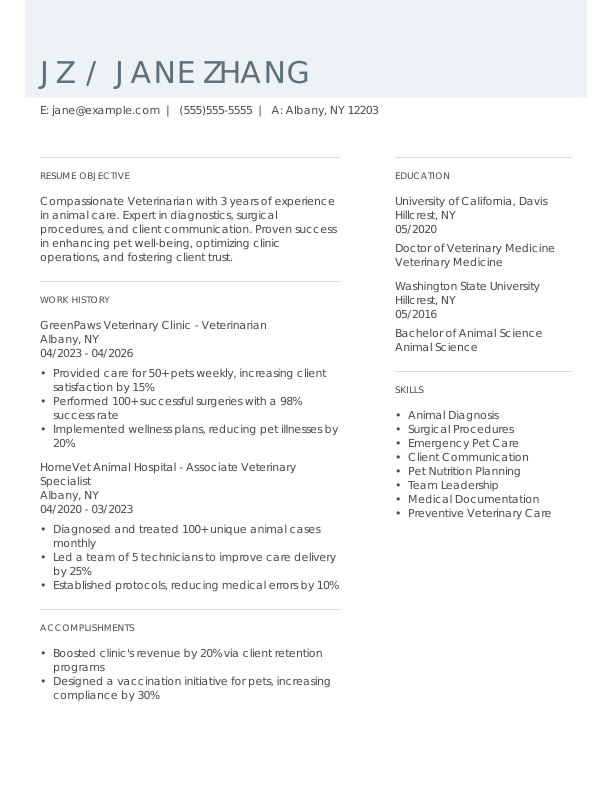
 Free
FreeVeterinarian Entry-Level Resume
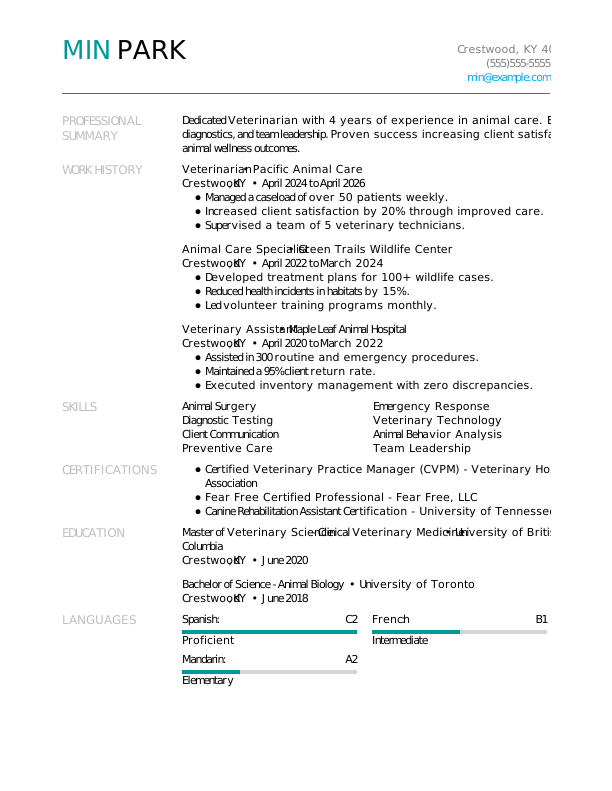
Veterinarian Mid-Level Resume
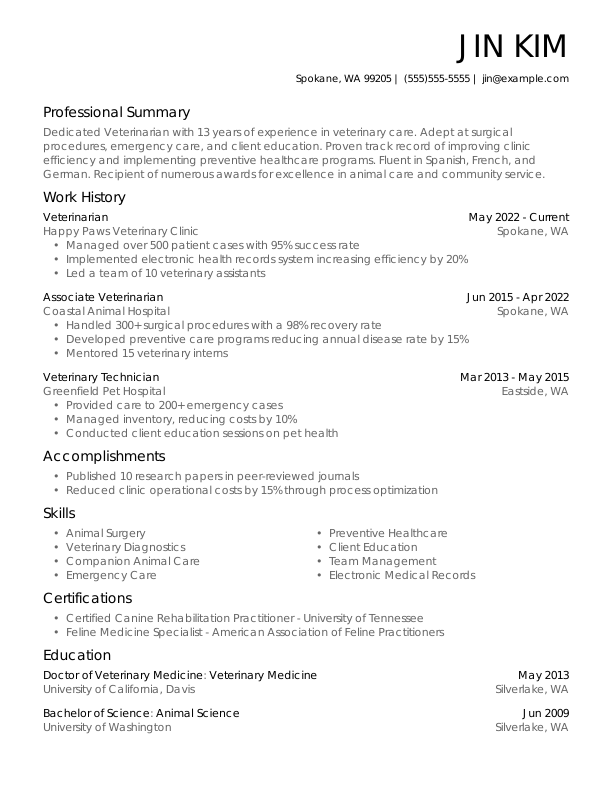
Veterinarian Experienced Resume
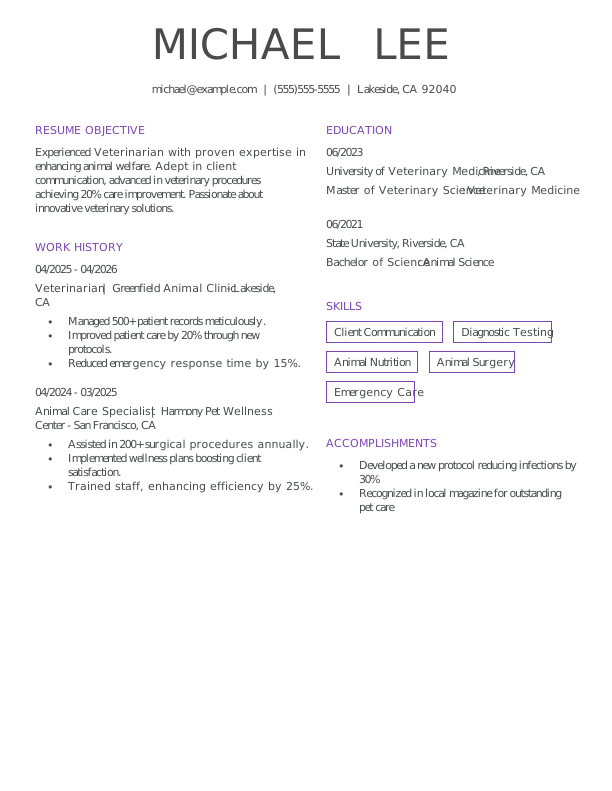
Veterinarian Entry-Level Resume 1
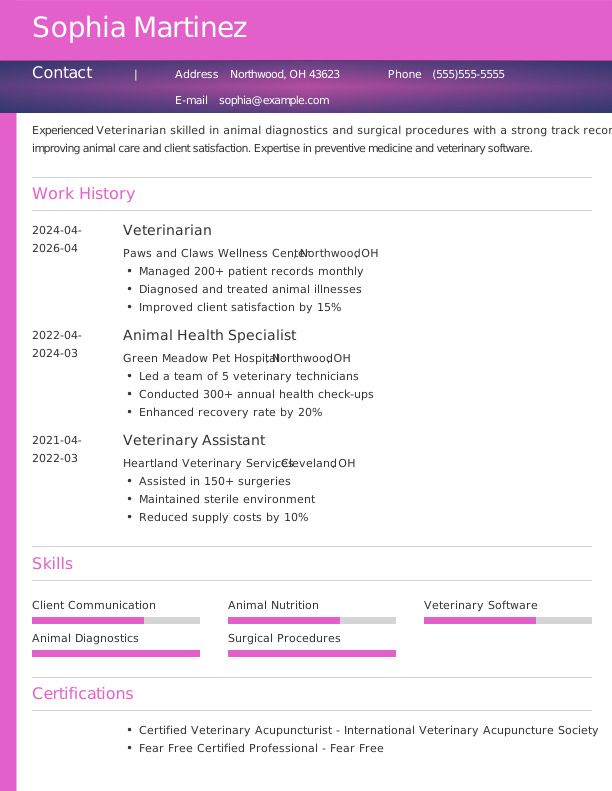

Veterinarian Mid-Level Resume 1
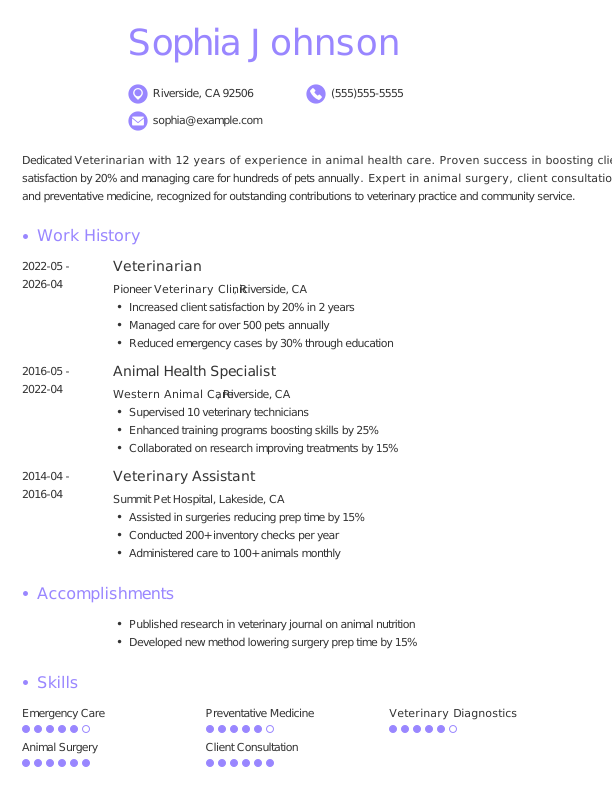

Veterinarian Experienced Resume 1
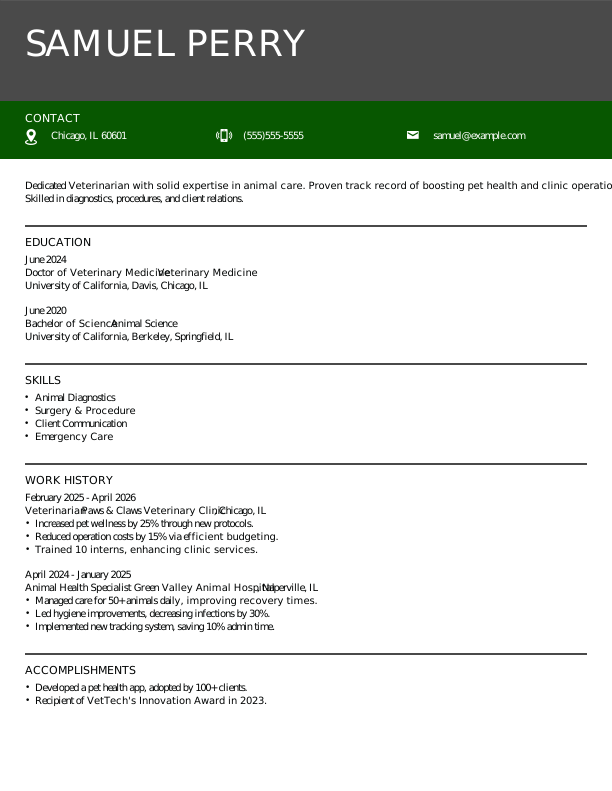
Veterinarian Entry-Level Resume 2
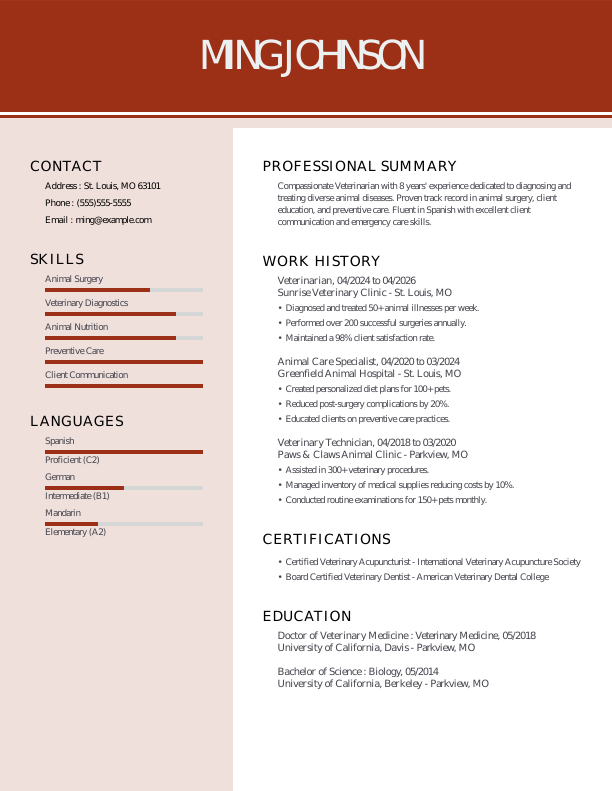
Veterinarian Mid-Level Resume 2
Browse Free Resume Templates
- Accounts Payable
- Adjunct Professor
- Artist
- Auto Mechanic
- Baker
- Business Development Manager
- Business
- Certified Nursing Assistant
- Classic & Traditional
- Cleaner
- College Student
- Concierge
- Construction Worker
- Corporate
- Creative & Unique
- Custodian
- Customer Service
- Dental Assistant
- Direct Support Professional
- Entry-Level
- Flight Attendant
- Hospitality & Food Service
- Front Desk Receptionist
- Healthcare
- High School
- Housekeeping
- Hvac Technician
- Hybrid
- Inventory Manager
- Logistics
- Maintenance
- Management
- Modern
- Mortgage Loan Processor
- Pet Sitter
- Phlebotomist
- Production
- Rbt
- Sales
- Security Services
- Restaurant Server
- Simple & Basic
- Social Work
- Teacher
- Technology
Resume Examples for Veterinarians
Veterinarian resumes should reflect your clinical expertise and the species or settings you specialize in. Browse our templates to find one that presents your veterinary credentials clearly.
Entry-Level Veterinarian Resume
Ideal for newly graduated DVMs, this template helps you build a veterinarian resume by leading with your clinical rotations, surgical training, and any shelter or externship placements.

Mid-Career Veterinarian Resume
An ideal choice for mid-level veterinarians seeking to elevate their careers, this template effectively showcases relevant experience and highlights qualifications for specialized roles or leadership positions.

Experienced Veterinarian Resume
An ideal choice for veterinarians with over 10 years of experience, this template is designed for professionals pursuing advanced roles in veterinary medicine or leadership positions within animal care facilities.

Veterinarian Resume Template (Text)
The text resume below provides a starting point for a veterinarian application. Copy it and tailor it with your clinical specialties. For more healthcare and science formats, explore our resume template library.
Emily Kim
Northwood, OH 43624
Professional Summary
Compassionate veterinarian with 9 years in animal care, excelling in surgery, diagnostics, and team leadership. Proven track record of improving clinic efficiency and elevating client satisfaction.
Work Experience
March 2023 – April 2026
Paws & Claws Veterinary Clinic – Northwood, OH
Veterinarian
- Treated over 200 pets monthly, boosting clinic revenue 10%
- Implemented new care protocols, improving success rates by 20%
- Supervised training for 5 junior staff members annually
March 2017 – February 2023
Heartland Animal Care – Northwood, OH
Animal Health Specialist
- Led team to increase client satisfaction by 15%
- Reduced treatment time by 25% through new practices
- Managed a $50k budget, increasing efficiency by 30%
March 2014 – February 2017
Lone Star Animal Hospital – Cleveland, OH
Veterinary Assistant
- Prepared 100+ animals monthly for surgeries safely
- Assisted vets during exams, increasing accuracy by 40%
- Streamlined inventory, reducing costs by $5,000 annually
Education
May 2014
Texas A&M University Northwood, OH
Doctor of Veterinary Medicine Veterinary Medicine
May 2010
University of Texas Northwood, OH
Bachelor of Science Animal Science
Certifications
- Veterinary Technician Certification – Animal Care Institute
- Advanced Animal Trauma Care – National Veterinary Association
Skills
- Animal Surgery
- Pet Nutrition
- Veterinary Diagnostics
- Client Communication
- Team Leadership
- Clinical Research
- Emergency Care
- Treatment Planning
How to Write a Veterinarian Resume
As a veterinarian, understanding how to write a resume means showcasing your clinical skills and relevant experience in a format that stands out. Use the guidance below to emphasize your strengths and customize your resume for the positions you’re targeting.
1. Contact Info
Your contact information should be prominently displayed at the top of your resume, ensuring it’s both clear and professional.
Be sure to include:
- Full name (credentials like DVM or VMD can follow your name)
- Phone number
- Professional email address
- City and state (ZIP code is optional)
- DEA registration number (if applying to practices that require controlled substance handling)
 PRO TIP
If you have a professional website showcasing case studies, published research, or community outreach, include that link alongside LinkedIn.
2. Resume Profile
A resume profile is a brief introductory section, typically 2 to 4 sentences long, that highlights your key qualifications and sets the stage for your application. It serves as a compelling pitch to hiring managers, capturing their interest and encouraging them to delve deeper into your achievements and skills.
This profile is prominently placed at the top of your resume and can take the form of either a summary or an objective. Each format has its unique focus—one highlighting your experience while the other emphasizes your career goals:
- A resume summary showcases critical skills, relevant experience, and noteworthy accomplishments in veterinary medicine. This format is particularly suited for job seekers with established work history or transferable expertise who aim to highlight their contributions as compassionate veterinarians.
- A resume objective focuses on future goals and outlines what the applicant hopes to accomplish in their career. This approach is especially helpful for recent veterinary graduates, those transitioning from other fields, or individuals with minimal direct experience in animal care.
Let’s examine how a resume summary differs from a resume objective in the following examples:
Veterinarian resume summary example:
Dedicated veterinarian with over 6 years of experience in diverse clinical environments, including emergency and specialty practices. Proficient in surgical procedures, diagnostic imaging, and client communication. Acknowledged for improving animal welfare standards and building strong relationships with pet owners through compassionate care.
Veterinarian resume objective example:
Recent DVM graduate and licensed veterinarian excited to launch a career in animal care within a progressive veterinary practice. Dedicated to providing compassionate care and eager to bring strong diagnostic skills and teamwork abilities to improve the well-being of pets and their owners.
3. Work Experience
The work experience on your resume serves as an important foundation for showcasing your qualifications. Employers explore your history to assess not only job titles but also the tangible contributions you’ve made within each role.
This experience demonstrates how your background in veterinary care provides you with the skills and knowledge essential for success in the field.
The work experience section should contain:
- Job title
- Employer name and location
- Dates of employment (month/year)
- 3–5 bullet points detailing your veterinary care responsibilities and animal health achievements
Tailor your bullet points to the veterinarian role by using relevant terminology from the job description. Begin each point with a strong action verb such as “Diagnosed,” “Administered,” or “Performed” to improve impact.
Incorporate quantifiable data wherever possible, as this can illustrate your accomplishments clearly. Highlighting specific metrics or achievements not only showcases your contributions but also sets you apart from other applicants.
In general, consider following the format of:
[action verb] + [responsibility] = [result/achievement]
For example:
Conducted comprehensive health assessments and developed treatment plans for over 30 animals weekly in a fast-paced clinic, achieving a 95% success rate in recovery outcomes.
Note that you can also flip the result/achievement with the responsibility:
Increased patient recovery rates by 20% through the implementation of advanced diagnostic techniques and personalized care strategies.
Explore more work experience examples for veterinarians further down the page.
4. Skills
The skills section provides a concise overview of your veterinary abilities, showcasing your qualifications in animal care and medical knowledge. This ensures an ATS-friendly resume that helps hiring managers quickly assess your fit for the role.
Skills can be categorized into three key areas:
- Soft skills are personal qualities that influence how veterinarians interact with clients and colleagues.
- Hard skills are specific, quantifiable abilities acquired through education, training, or experience.
- Technical skills refer to the specific competencies required to operate tools and technologies in a profession.
5 Soft Skills for Your Resume or CV
- Compassionate patient care
- Effective communication skills
- Teamwork and collaboration
- Strong ethical judgment
- Time management skill
5 Hard Skills for Your Resume or CV
- Clinical diagnostics (ultrasound, X-ray)
- Anesthesia management
- Surgical procedures (orthopedic, soft tissue)
- Radiology interpretation
- Behavioral assessment and modification
Generally, aim for a well-rounded selection of skills that directly correspond to the job requirements.
PRO TIP
If you’re a newer veterinarian, consider placing your skills section higher on your resume, right after your summary. If you have more experience, it’s better to position this section lower and weave your skills into the descriptions of your work history.
5. Education
Understanding how to list education on your resume is essential for highlighting your qualifications. Begin with your most recent or relevant veterinary degree, including the degree type and institution name. If you’re a new graduate, consider adding your graduation year, GPA (if it’s 3.5 or above), any honors received, and relevant coursework to improve your profile.
Veterinarian resume education section example:
Doctor of Veterinary Medicine (DVM)
Cornell University, Ithaca, NY
Graduated: 2023 | Summa Cum Laude
PRO TIP
When listing multiple degrees on your resume, always arrange them in reverse-chronological order, starting with the highest degree first, such as Doctor of Veterinary Medicine (DVM) followed by Bachelor of Science in Animal Science.
6. Certifications
Certifications validate your expertise and ensure you stay informed about advancements in veterinary medicine. Although this section is not always a staple on resumes, it holds significant value for many veterinarians. Employers frequently look for specific qualifications, especially for roles in emergency care or specialized fields like surgery or dentistry.
Highlight relevant certifications and licenses that improve your application and reflect your commitment to the profession. Be sure to keep them updated and format them clearly for easy visibility.
Veterinarian certification examples:
- Diplomate, American College of Veterinary Surgeons (DACVS)
- Fear Free Certified Professional
- Certified Veterinary Acupuncturist (CVA) | Chi Institute
- USDA Accredited Veterinarian (for practices involving interstate health certificates or international travel)
Start Building Your Job-Winning Resume
Use Your Existing Resume
Import your current resume to transfer your information to one of our professional templates.
Create a New Resume
Start fresh with a template that catches your eye and follow the prompts to add your details.
Tailor Your Work History to Beat the ATS
Your work experience is not just a series of job titles. It’s a valuable opportunity to highlight the measurable impacts you’ve made in animal care, team collaboration, and patient outcomes. By focusing on these achievements, you can create an ATS-friendly resume that applicant tracking systems (ATS) can scan with ease.
To make your work history more effective, tailor it to align with the specific role you’re aiming for by incorporating relevant keywords. Begin by analyzing the job description for essential skills and requirements. Look for recurring themes or qualifications and ensure they are reflected in your descriptions of past experiences.
Popular Resume Bullet Points for Veterinarians
These examples are pulled from our most-used entries in the resume builder — based on what hiring managers respond to most.
- Performed comprehensive health assessments and developed treatment plans for over 200 animals annually, improving patient outcomes by 20%.
- Administered vaccinations and preventative care to 150+ pets monthly, resulting in a 30% increase in client compliance.
- Collaborated with veterinary technicians to execute surgical procedures, improving operational efficiency by 25%.
- Mentored junior veterinarians and interns, fostering skill development and promoting a supportive learning environment.
- Managed patient records and client communications using veterinary practice management software, reducing administrative errors by 20%.
What’s a Fair Veterinarian Salary?
Researching salary information is essential for assessing job offers, negotiating pay, and making informed career choices. The data provided by the U.S. Bureau of Labor Statistics (BLS) presents the latest nationwide averages for veterinarians.
Several factors can impact actual salaries, such as geographic location, years of experience, certifications, and areas of specialization. For example, veterinarians working in emergency animal hospitals or specialized clinics often earn significantly more than those in general practice settings or rural areas.
| Alabama | $112,070 |
| Arizona | $190,600 |
| Arkansas | $105,850 |
| California | $168,280 |
| Connecticut | $142,320 |
| District of Columbia | $165,020 |
| Florida | $142,040 |
| Georgia | $124,960 |
| Hawaii | $120,300 |
| Idaho | $117,810 |
| Illinois | $157,950 |
| Indiana | $123,960 |
| Iowa | $109,110 |
| Kansas | $110,250 |
| Kentucky | $107,690 |
| Louisiana | $144,490 |
| Maine | $136,960 |
| Massachusetts | $161,170 |
| Michigan | $121,640 |
| Minnesota | $121,270 |
| Mississippi | $108,120 |
| Missouri | $128,310 |
| Montana | $94,250 |
| Nebraska | $87,250 |
| Nevada | $134,010 |
| New Hampshire | $143,510 |
| New Jersey | $158,100 |
| New Mexico | $131,560 |
| New York | $149,360 |
| North Carolina | $129,440 |
| North Dakota | $107,060 |
| Ohio | $130,370 |
| Oklahoma | $122,640 |
| Oregon | $121,000 |
| Pennsylvania | $140,390 |
| Rhode Island | $139,830 |
| South Carolina | $127,710 |
| South Dakota | $97,090 |
| Tennessee | $129,370 |
| Texas | $130,770 |
| Utah | $140,180 |
| Vermont | $155,130 |
| Virginia | $133,020 |
| Washington | $154,770 |
| West Virginia | $135,660 |
| Wisconsin | $118,030 |
| Wyoming | $104,850 |
| Puerto Rico | $84,680 |
Key Takeaways
- Tailor your resume to the job description. Incorporate keywords from the posting for better visibility with ATS and human reviewers.
- Highlight quantifiable achievements to demonstrate impact. Use metrics specific to your field (e.g., number of successful surgeries, patient recovery rates, or client satisfaction scores) to stand out.
- Select an appropriate format based on experience. New graduates might opt for a functional or combination resume, whereas seasoned veterinarians typically use a reverse-chronological layout.
More Resume & CV Examples
Cover Letters for Your Resume
Browse our library of cover letter examples to complete your application. A resume will have a better chance of getting noticed.
Frequently Asked Questions
Last Update:
What resume format should I use for my veterinarian resume?
There are three primary resume formats to consider when applying for a veterinarian position. Your choice should reflect your experience level and the specific skills or accomplishments you want to highlight:
- Chronological: The chronological resume is the most common format used by job seekers today. It emphasizes your work history, highlighting your responsibilities and achievements in each role. This format works well for job seekers with a consistent background that reinforces their qualifications and adds credibility to their application.
- Functional: The functional resume, often referred to as a skills-based resume, prioritizes your qualifications and skills over employment history. This format is particularly helpful for individuals who lack direct experience in the field or have gaps in their work history, as it allows them to prominently showcase their competencies.
- Combination: A combination resume merges the chronological and functional formats, showcasing both skills and work history. This approach is ideal for professionals who wish to emphasize their qualifications while also displaying career growth, allowing employers to see both competencies and experience clearly.
Should I include a cover letter with my resume?
Yes, you should consider including a cover letter with your veterinarian job application. A tailored cover letter improves your resume by allowing you to express your enthusiasm for animal care and highlight relevant experiences that may not be evident in your resume. It shows potential employers that you’ve invested time in personalizing your application, which can set you apart from other job seekers who neglect this important aspect.
If you’re hesitant about writing a cover letter, there are numerous resources available to assist you. You can find guides on how to write a cover letter specifically for veterinary roles, along with examples that illustrate effective approaches. Additionally, exploring different formats can help you choose one that best showcases your qualifications and passion for the field.
To ease the writing process, consider using a cover letter generator, which can help craft a professional document by providing templates and tailored suggestions based on the veterinarian position you’re applying for.
How long should a veterinarian resume be?
For veterinarians with less than 10 years of experience, a one-page resume is usually adequate to highlight relevant skills and experiences. Focus on key qualifications, such as education, clinical rotations, and certifications that demonstrate your capabilities in the field.
Veterinarians in senior or specialized roles may extend their resumes to two pages if they maintain a clear focus on relevant information. This should include advanced training, leadership roles, and any unique specialties while ensuring each detail adds value without unnecessary filler content.
What keywords should I include to pass applicant tracking systems (ATS)?
To improve your resume and successfully pass ATS filters, focus on incorporating keywords from the job posting. For a veterinarian position, use terms like “animal care,” “diagnosis,” and “surgical procedures.” Highlight any specialized experience or skills that relate directly to the role you’re applying for.
Additionally, include relevant certifications such as DVM and any technical tools you’re familiar with, like veterinary practice management software. This showcases your qualifications clearly and positions you as a strong job seeker who meets the specific needs of the employer.
Is it important to list volunteer work with animals on my resume?
Yes, particularly if you’re at the start of your veterinary career. Including volunteer experiences demonstrates your passion for animal care and practical skills in diverse settings, which can set you apart from others who may only have formal job experience.

Toni Frana is a Certified Professional Resume Writer (CPRW), member of the Professional Association of Resume Writers & Career Coaches, and career expert who empowers job seekers to take control of their career paths using Monster’s comprehensive job search and resume tools.
See More From Toni FranaExplore Related Career Advice


How to Put Transferable Skills on Your Resume: 120 Skills, Examples, & Tips

Updated:
Aug 27, 2026
|

16 min read


How to Write a Functional Resume (Formatting Tips, Template, & Examples)
Updated:
Aug 7, 2026
|
17 min read


Functional vs Chronological Resume: Which Format Is Right for You?
Updated:
Aug 3, 2026
|
16 min read

100+ Resume Adjectives to Help You Write a Stronger Resume in 2026 (With Examples)
Updated:
Jul 30, 2026
|
12 min read