
Free Painter Resume Templates & Examples
Improve your chances of securing interviews with expertly designed painter resume templates. These free resume templates offer valuable writing tips to guide you in crafting a standout resume or CV that showcases your skills to potential employers.
Real-World Resumes That Get Results
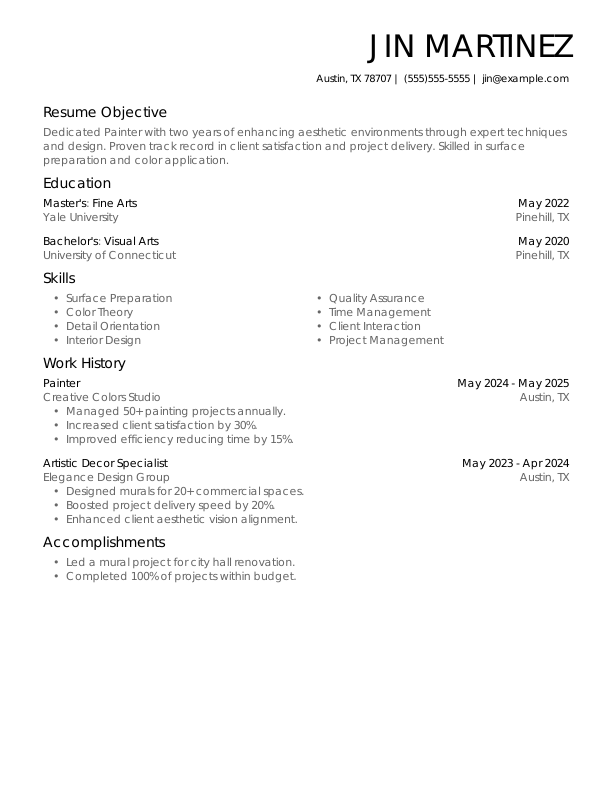
 Free
FreePainter Entry-Level Resume
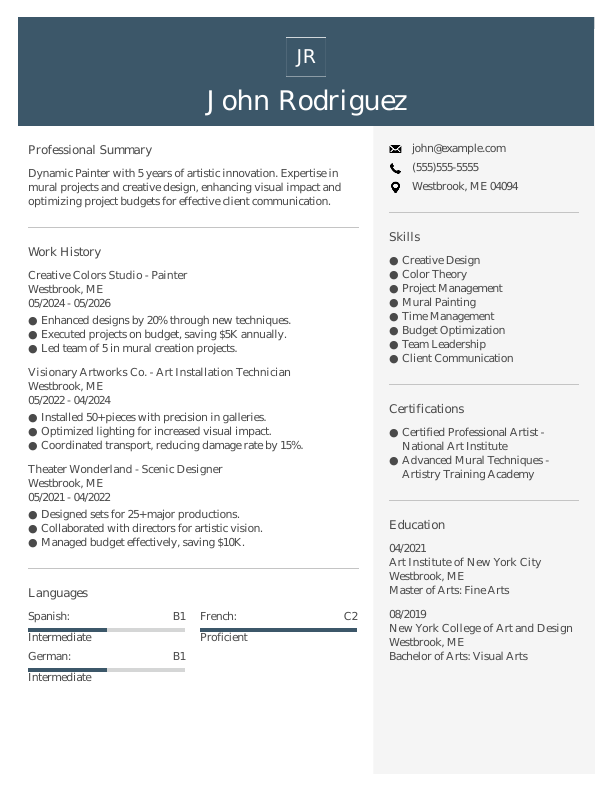
Painter Mid-Level Resume
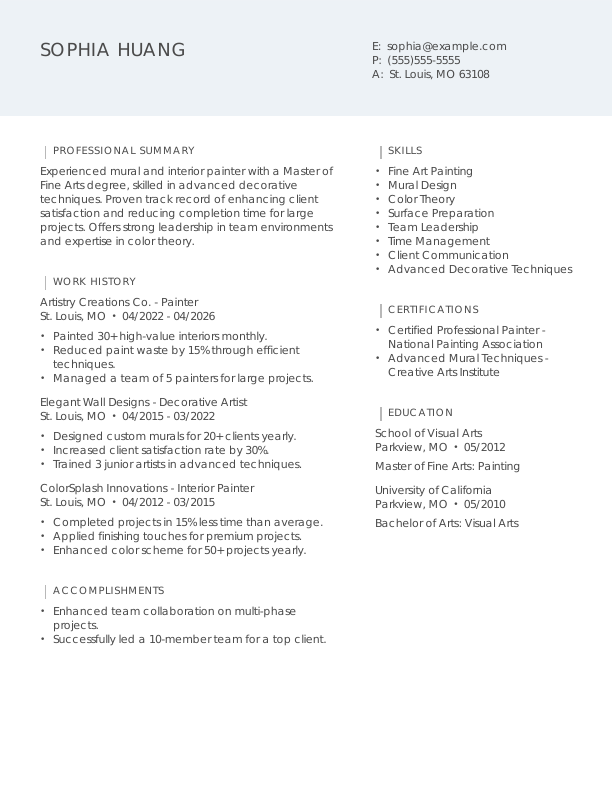
Painter Experienced Resume
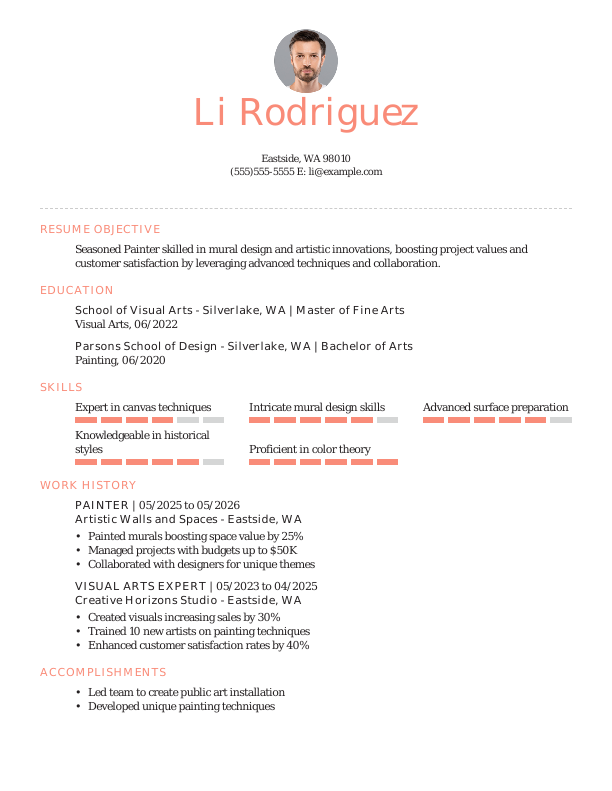
Painter Entry-Level Resume 1
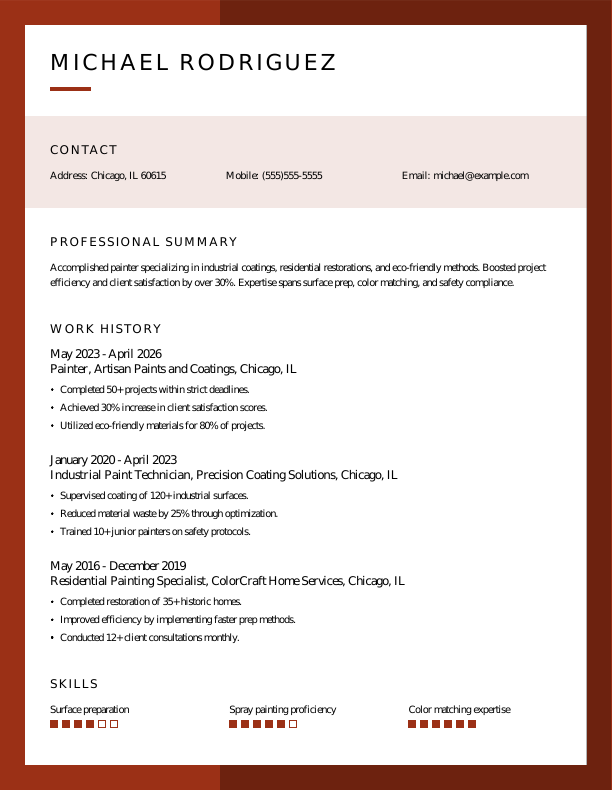

Painter Mid-Level Resume 1
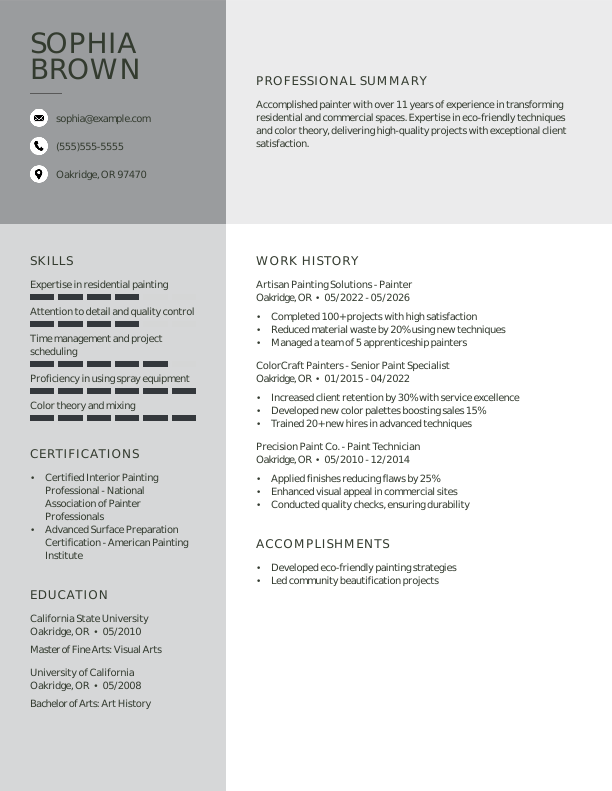
 Popular
Painter Experienced Resume 1
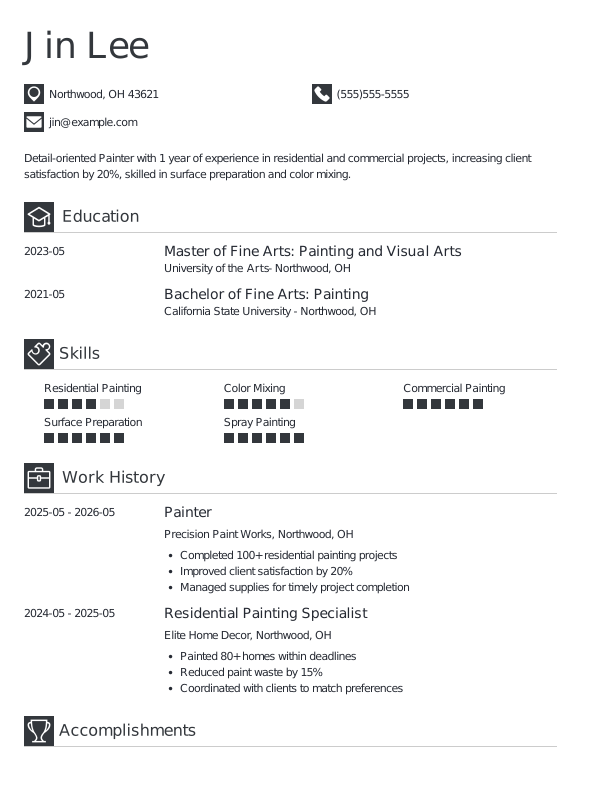

Painter Entry-Level Resume 2
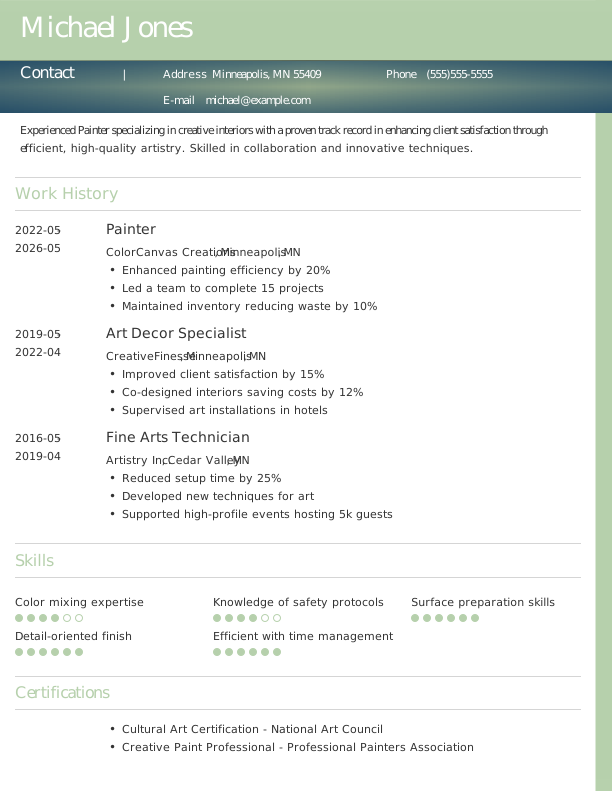

Painter Mid-Level Resume 2
Browse Free Resume Templates
- Artist
- ATS-Friendly
- Business Development Manager
- Business
- Classic & Traditional
- College Student
- Construction Worker
- Corporate
- Creative & Unique
- Customer Service
- Entry-Level
- Healthcare
- Hospitality & Food Service
- Logistics
- Maintenance
- Manager
- Modern
- Production
- Sales
- Security Services
- Simple & Basic
- Social Work
- Teacher
- Military
Resume Examples for Painters
Resumes and CVs for painters should reflect the experience level of the individual, whether they are starting out or have years of expertise. Discover our tailored templates for each career stage and use our Resume Builder to craft your ideal application.
Entry-Level Painter Resume
Ideal for recent graduates and those transitioning into painting careers, this template serves as a valuable resource for crafting a resume with no experience while highlighting artistic skills and potential.
Mid-Career Painter Resume
A smart choice for mid-level painters seeking to elevate their careers, this template effectively showcases recent projects and highlights skills essential for specialized roles in the art industry.
Experienced Painter Resume
Best for seasoned painters with over 10 years of experience, this template is ideal for professionals seeking leadership roles or advanced opportunities in the decorative arts industry.
Painter Resume Template (Text)
Use this customizable text format of a painter resume to copy, edit, and personalize directly in your document.
Aiko Huang
San Francisco, CA 94108
Professional Summary
Accomplished painter with 9 years in enhancing visual spaces. Expertise in residential, commercial, and industrial projects. Proven skills in project efficiency and quality improvement.
Work Experience
April 2022 – May 2026
Artisan Painting Co. – San Francisco, CA
Painter
- Completed 50 residential projects in two years
- Increased client satisfaction by 20% through quality work
- Cut costs by 15% using efficient paint materials
April 2016 – March 2022
PrimeBuild Designs – San Francisco, CA
Commercial Painter
- Managed painting tasks for 30 commercial buildings
- Improved painting speed by 25% by optimizing workflow
- Trained new hires, lowering error rates by 15%
April 2013 – March 2016
Precision Coatings Inc. – Riverside, CA
Industrial Coating Specialist
- Applied coatings to machinery, enhancing durability
- Decreased paint waste by 30% with controlled methods
- Coordinated 20+ large-scale industrial projects
Education
June 2012
University of California, Berkeley Berkeley, CA
Master’s in Fine Arts Painting and Drawing
June 2010
University of Washington Seattle, WA
Bachelor’s in Art Visual Arts
Certifications
- Certified Professional Painter – National Institute of Painting
- Advanced Industrial Coating – Coatings Institute
Skills
- Surface Preparation
- High-Detail Painting
- Color Mixing and Matching
- Commercial Coatings
- Time Management
- Team Leadership
- Customer Communication
- Attention to Detail
How to Write a Painter Resume
As a painter, understanding how to write a resume means combining your artistic skills and projects with a format that highlights why you’re the ideal job seeker for the role. Use the guidance below to emphasize your strengths and tailor your resume for the specific painting positions you’re aiming for.
1. Contact Info
Your contact information should be prominently displayed at the top of your resume, ensuring clarity and professionalism.
Be sure to include:
- Full name
- Phone number
- Professional email address
- City and state (ZIP code is optional)
- LinkedIn profile or relevant portfolio (if applicable)
 PRO TIP
Skip including irrelevant personal details such as your Social Security number, age, or photo unless the employer specifically asks for them.
2. Resume Profile
A resume profile is a concise introductory section, typically two to four sentences long, that highlights your key qualifications and expertise. Its primary function is to serve as an engaging pitch for hiring managers, sparking their interest and motivating them to delve deeper into your resume.
This profile appears at the top of your resume and can take the form of either a summary or an objective, each with its distinct purpose. Understanding these differences is important:
- A resume summary showcases your most relevant skills, artistic achievements, and experience in various painting techniques. This format is particularly beneficial for individuals with a background in the arts or related fields who wish to illustrate their creative impact as a skilled painter.
- A resume objective is a forward-looking statement highlighting your career aspirations and what you aim to accomplish. It can be especially helpful for recent graduates, professionals transitioning into painting, or individuals with limited experience in the field who want to emphasize their potential.
Let’s examine how a resume summary differs from a resume objective in the following examples:
Painter resume summary example:
Creative painter with 6+ years of experience in residential and commercial projects, specializing in color theory, surface preparation, and decorative techniques. Known for transforming spaces with precision and artistry while maintaining high standards of safety and client satisfaction. Consistently recognized for delivering exceptional results on time and within budget.
Painter resume objective example:
Recent graduate with a bachelor of fine arts degree, enthusiastic about starting a career in a collaborative creative environment. Committed to artistic expression and looking to contribute strong attention to detail and innovative thinking within an art studio or design firm.
3. Work Experience
The work experience on your resume serves as an important foundation. Employers evaluate not only the roles you have held but also how you have contributed and created value in those positions.
Your work history illustrates how your skills and achievements align with the painter role, showcasing your ability to deliver quality results and meet client expectations.
The work experience section should contain:
- Job title
- Employer name and location
- Dates of employment (month/year)
- 3–5 bullet points detailing your painting techniques and project achievements
Customize your work experience bullet points to align with the painting profession, using relevant terminology. Start each statement with strong action verbs like “Created,” “Transformed,” or “Executed” to capture attention.
Incorporate quantifiable metrics whenever possible. Specific achievements and numbers highlight your contributions and set you apart from other job seekers, demonstrating the impact of your work in measurable terms.
In general, consider following the format of:
[action verb] + [responsibility] = [result/achievement]
For example:
Executed detailed restoration of historical murals, improving the aesthetic appeal of the gallery space while increasing visitor engagement by 30%.
Note that you can also flip the result/achievement with the responsibility:
Achieved a 25% reduction in paint wastage by implementing efficient mixing and application techniques during large-scale projects.
Explore more work experience examples for painters further down the page.
4. Skills
The skills section provides a concise overview of your painting abilities, showcasing your expertise in various techniques and mediums. This ATS-friendly resume format ensures hiring managers can evaluate your qualifications quickly without missing key details.
Skills can be categorized into three key areas:
- Soft skills are personal qualities that influence how well painters collaborate with clients and colleagues. Key soft skills for painters include communication, attention to detail, creativity, and problem-solving.
- Hard skills are specific, measurable abilities gained through education, training, or experience. For painters, examples include color mixing, brush techniques, and knowledge of surface preparation.
- Technical skills refer to the practical abilities required to handle specific tools and materials in a profession. For a painter, this includes expertise in using brushes, spray guns, and color mixing software.
In general, aim to include a well-rounded selection of skills that match the job description to showcase your qualifications. For more industry-specific examples of painter skills, please refer to other sections further down the page.
PRO TIP
If you’re a newer painter, consider placing your skills section higher on the resume, right after your summary. If you have more experience, it’s better to position this section lower, weaving your skills into your work history for a more cohesive presentation.
5. Education
Understanding how to list education on your resume is essential for showcasing your qualifications. Begin by listing your most recent or relevant degree, along with the type of degree and the institution you attended.
If you’re a recent graduate, consider including your graduation year, GPA (if it’s 3.5 or higher), any honors received, and relevant coursework to further demonstrate your academic achievements.
Painter resume education section example:
Bachelor of Fine Arts in Painting
Rhode Island School of Design, Providence, RI
Graduated: 2023 | Graduated with Distinction
PRO TIP
When listing your educational qualifications as a painter, always arrange them in reverse-chronological order, starting with the highest degree first, such as Bachelor of Fine Arts (BFA) followed by Associate Degree in Fine Arts (ADFA).
6. Certifications
Certifications are essential as they reflect your qualifications and current expertise in painting. While not always included in a traditional resume, listing certifications is valuable for many professionals in the field. Employers often seek specific credentials for specialized roles, such as muralists or decorative painters, making these certifications vital for job applications.
Highlight relevant certifications that bolster your candidacy and ensure they are current and clearly formatted. A well-organized list can make a significant impact on potential employers.
Painter certification examples:
- Painter Certification, National Painter Association | National Painter Association | Expires: 01/2028
- Lead-Safe Certified Firm | Environmental Protection Agency | Expires: 11/2027
- Interior Design Certification | American Society of Interior Designers | Expires: 06/2028
- Exterior Painting Specialist Certificate | Painting Contractors Association | Expires: 09/2027
Start Building Your Job-Winning Resume
Use Your Existing Resume
Import your current resume to transfer your information to one of our professional templates.
Create a New Resume
Start fresh with a template that catches your eye and follow the prompts to add your details.
Tailor Your Work History to Beat the ATS
Your work experience is not just a collection of job titles. It serves as an opportunity to highlight the tangible contributions you’ve made in your field, showcasing specific achievements that resonate with potential employers. This thoughtful approach can also result in a more ATS-friendly resume that applicant tracking systems (ATS) can efficiently scan.
To create a compelling work history, align your experience with the role you’re targeting by integrating relevant keywords. Begin by examining the job description closely. Identify frequently mentioned skills and qualifications, and ensure these elements are reflected in how you describe your past experiences.
Popular Resume Bullets for Painters
These examples are pulled from our most-used entries in the resume builder—based on what hiring managers respond to most.
- Executed intricate murals for over 15 local businesses, improving their brand identity and increasing customer foot traffic by 20%.
- Managed a team of 3 assistants to complete projects on schedule, achieving a 95% client satisfaction rate.
- Collaborated with interior designers to create tailored artwork for residential clients, improving project completion time by 30%.
- Used high-quality paints and innovative techniques, resulting in a 25% reduction in material costs.
- Mentored aspiring artists through workshops, fostering creativity and skill development within the community.
Example of Skills for Painters
Including the right skills for your resume demonstrates to employers and ATS that you possess the necessary abilities to thrive as a painter. Since hiring managers often scan resumes quickly, ensure that your skills are focused, relevant, and aligned with the job description.
The skills below reflect what is currently valued in the painting industry. These capabilities regularly appear in successful painter resumes and resonate well with hiring managers seeking applicants who can contribute to their teams.
5 Soft Skills for Your Resume or CV
- Attention to detail
- Time management skills
- Creative expression
- Customer service orientation
- Teamwork and collaboration
5 Hard Skills for Your Resume or CV
- Color theory application
- Surface preparation techniques
- Use of spray guns (Graco, Wagner)
- Faux finishing methods
- Restoration and conservation practices
What’s a Fair Painter Salary?
Researching salary information is essential for assessing job offers, negotiating pay, and planning your career path. The data provided by the U.S. Bureau of Labor Statistics (BLS) highlights the most recent national averages for painters.
Several factors can affect actual salaries, such as geographic location, years of experience, certifications, and areas of specialization. For example, painters working in commercial sectors or those specializing in artistic murals often earn higher wages compared to residential painters or those in less specialized roles.
| Alabama | $47,000 |
| Alaska | $67,670 |
| Arizona | $64,260 |
| Arkansas | $41,570 |
| California | $152,160 |
| Connecticut | $70,330 |
| Delaware | $54,930 |
| District of Columbia | $62,140 |
| Florida | $60,120 |
| Georgia | $64,570 |
| Hawaii | $68,450 |
| Idaho | $47,180 |
| Illinois | $69,290 |
| Indiana | $72,020 |
| Iowa | $51,070 |
| Kansas | $46,600 |
| Kentucky | $49,370 |
| Louisiana | $43,170 |
| Maine | $56,950 |
| Maryland | $73,210 |
| Massachusetts | $92,930 |
| Michigan | $54,050 |
| Minnesota | $61,700 |
| Mississippi | $43,050 |
| Missouri | $56,650 |
| Montana | $51,440 |
| Nebraska | $45,560 |
| Nevada | $61,360 |
| New Hampshire | $52,790 |
| New Jersey | $66,610 |
| New Mexico | $54,090 |
| New York | $84,760 |
| North Carolina | $53,020 |
| North Dakota | $55,980 |
| Ohio | $56,040 |
| Oklahoma | $52,250 |
| Oregon | $75,390 |
| Pennsylvania | $58,130 |
| Rhode Island | $57,200 |
| South Carolina | $64,260 |
| South Dakota | $46,490 |
| Tennessee | $44,700 |
| Texas | $44,020 |
| Utah | $49,030 |
| Vermont | $51,830 |
| Virginia | $60,300 |
| Washington | $82,000 |
| West Virginia | $45,550 |
| Wisconsin | $64,500 |
| Wyoming | $46,880 |
| Guam | $37,560 |
| Puerto Rico | $28,790 |
| Virgin Islands | $43,290 |
Key Takeaways
- Tailor your resume to the job listing. Incorporate keywords from the job description to improve visibility with both ATS and hiring managers.
- Highlight quantifiable achievements to demonstrate your value. Use specific metrics (e.g., project completion rates, client satisfaction scores, budget management) to illustrate your impact.
- Select an appropriate format based on your experience level. Entry-level painters might opt for a functional or combination format, while seasoned professionals often prefer a reverse-chronological layout.
More Resume & CV Examples
- Air Sealing Technician
- Auto Mechanic
- Automotive Technician
- Budtender
- Carpenter
- Cosmetologist
- Electrician
- Hair Stylist
- Handyman
- Hvac Technician
- Landscaper
- Machinist
- Plumber
- Welder
- Painter
- Sample Resume
Frequently Asked Questions
Last Update:
What resume format should I use for my painter resume?
There are three main resume formats for painters. Your selection should reflect your experience level and the aspects of your work you wish to highlight:
- Chronological: The chronological resume is the most widely used format, emphasizing your work history along with key responsibilities and achievements. This structure benefits job seekers with a relevant job background by reinforcing their qualifications and adding credibility to their application.
- Functional: The functional resume, also known as a skills-based resume, highlights your qualifications and skills instead of concentrating on work history. This format is especially beneficial for people who lack relevant experience in the field or have major gaps in employment. It provides an opportunity to showcase your strengths more prominently.
- Combination: The combination resume format merges the chronological and functional styles, showcasing both skills and work experience. This approach benefits professionals by allowing them to emphasize their abilities while also illustrating their career journey, making it ideal for those transitioning into new roles or advancing in their careers.
Should I include a cover letter with my resume?
Yes, you should include a cover letter when applying for a painting position. A thoughtful cover letter improves your resume by allowing you to convey your artistic vision and specific skills that may not be immediately apparent from your CV alone. It shows potential employers that you’re genuinely interested in the role and have taken the time to personalize your application, which can set you apart from job seekers who submit generic applications.
If you’re unsure about how to write a cover letter, don’t let that deter you from including one. There are plenty of resources available, such as guides on writing cover letters and examples tailored for artists in various fields. Additionally, exploring different formats can help you find one that best showcases your style and experience.
For those looking to simplify the process, using a cover letter generator can assist in creating an effective document quickly by providing templates and suggestions relevant to painting positions.
How long should a painter resume be?
For painters with less than 10 years of experience, a one-page resume is typically adequate to outline relevant skills and projects. Highlight specific techniques, materials used, and any certifications that improve your qualifications. A concise format will make it easier for potential employers to assess your abilities at a glance.
Conversely, those in senior or specialized roles may extend their resumes to two pages if the content remains focused on relevant experiences. Prioritize showcasing significant projects, leadership in art initiatives, and advanced training while ensuring every detail adds value to your application.
What keywords should I include to pass applicant tracking systems (ATS)?
To improve your resume and successfully navigate ATS, focus on incorporating keywords from the job listing. Use specific terms relevant to painting, such as “color theory,” “brush techniques,” or “fine arts.” Highlight any specialized skills that set you apart, like mural painting or restoration.
Additionally, be sure to mention any certifications you possess, whether it’s a degree in fine arts or training in digital design. If you have experience with tools like Adobe Creative Suite or other artistic software, include those as well. This targeted approach will help ensure your application stands out and reaches hiring managers effectively.
Is it important to include freelance projects on my painter resume?
Yes, especially if you’re starting your career. Highlighting freelance projects showcases your creativity and practical skills, helping you stand out when formal experience is limited. It demonstrates your ability to work independently and tackle diverse artistic challenges.

Kirsten Chorpenning is a career advice writer who empowers job seekers to take control of their career paths using Monster’s comprehensive job search and resume tools. She specializes in helping job seekers find rewarding jobs in today’s dynamic work environment.Holding a bachelor’s degree in psychology with a minor in writing, Kirsten combines academic knowledge with five years of career industry experience to provide practical job search guidance. She focuses on the nuances of the modern job market and effective strategies for job applications. Her work, which focuses on providing actionable advice on how to secure interviews and achieve long-term career success, has been featured in Forbes, Money Talks News, MSN, and FlexJobs.
See More From Kirsten ChorpenningExplore Related Career Advice





Canadian Resume Format Guide: How to Write a Canadian Resume (With Examples)
Updated:
May 8, 2026
|

12 min read



How to List Multiple Positions at the Same Company on Resumes: 3 Methods
Updated:
May 7, 2026
|
12 min read

Extracurricular Activities for Resumes: 10+ Examples & How to Include Them
Updated:
May 7, 2026
|
14 min read