

Free Plumber Resume Templates & Examples
A plumber resume needs to showcase your licensing, hands-on skills, and familiarity with local codes and residential or commercial systems. Find a template that puts your trade credentials up front.
Real-World Resumes That Get Results
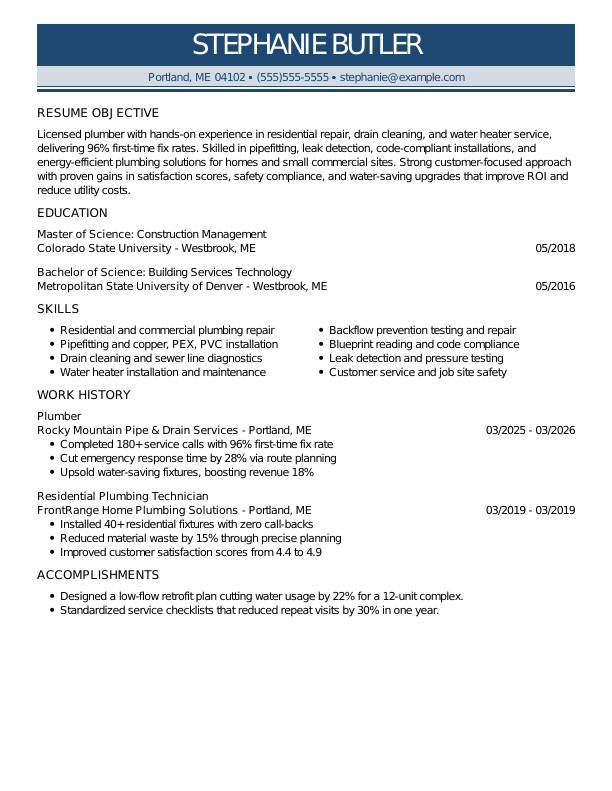
 Free
FreePlumber Entry-Level Resume
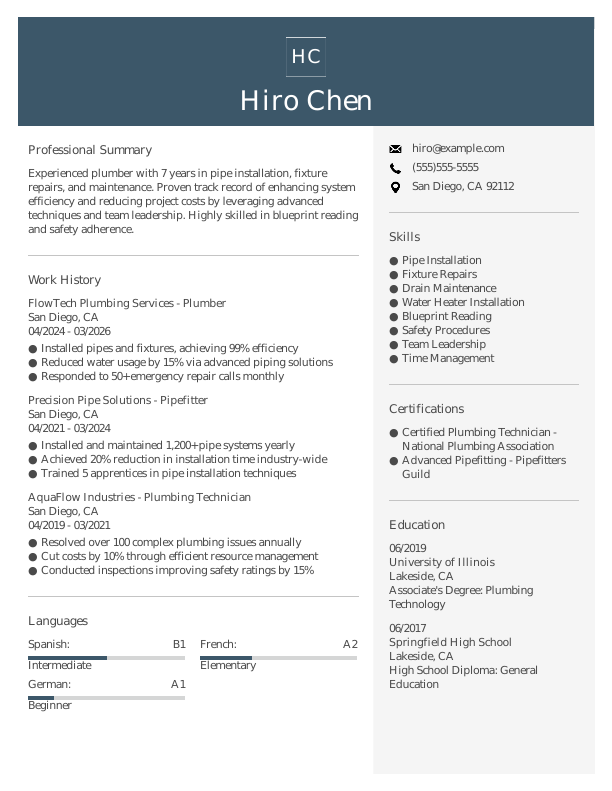
Plumber Mid-Level Resume
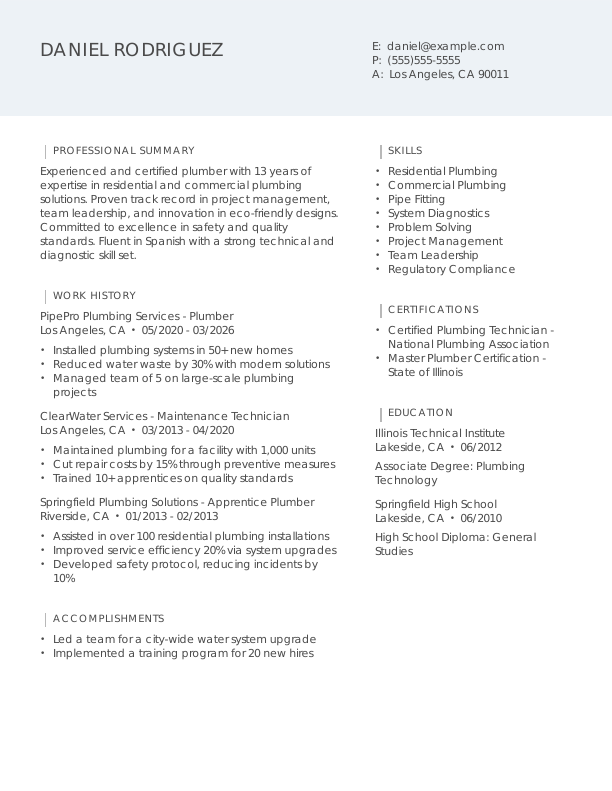
Plumber Experienced Resume
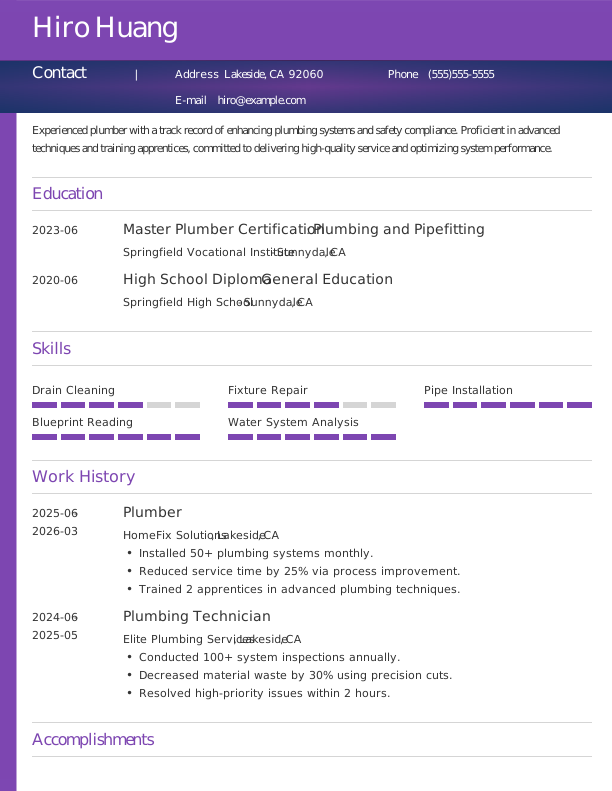

Plumber Entry-Level Resume 1
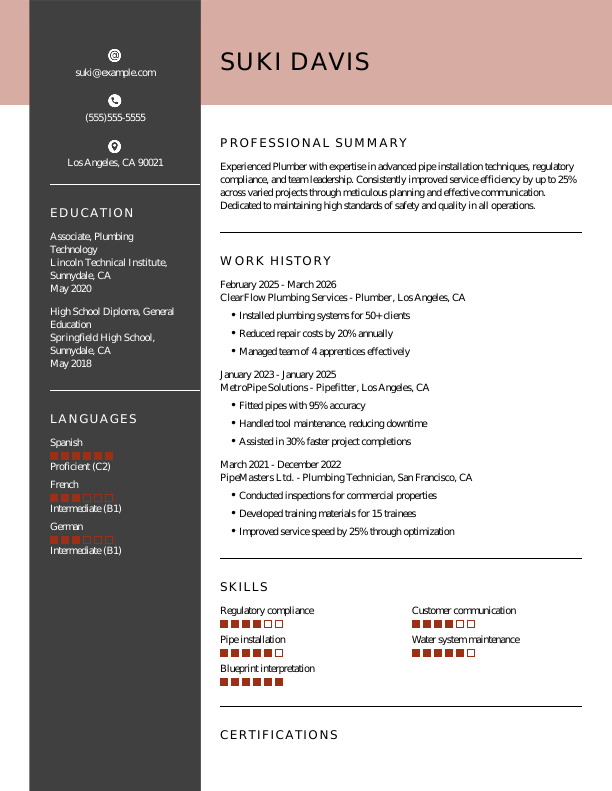

Plumber Mid-Level Resume 1
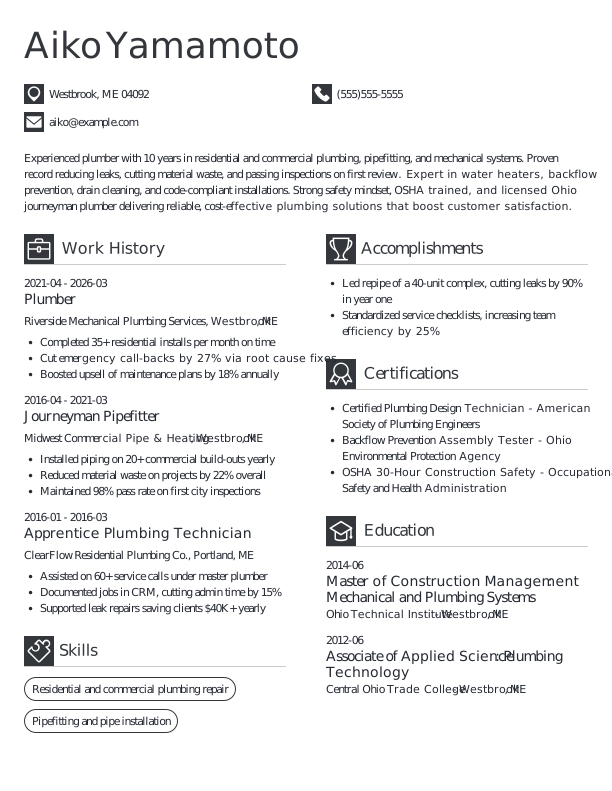

Plumber Experienced Resume 1
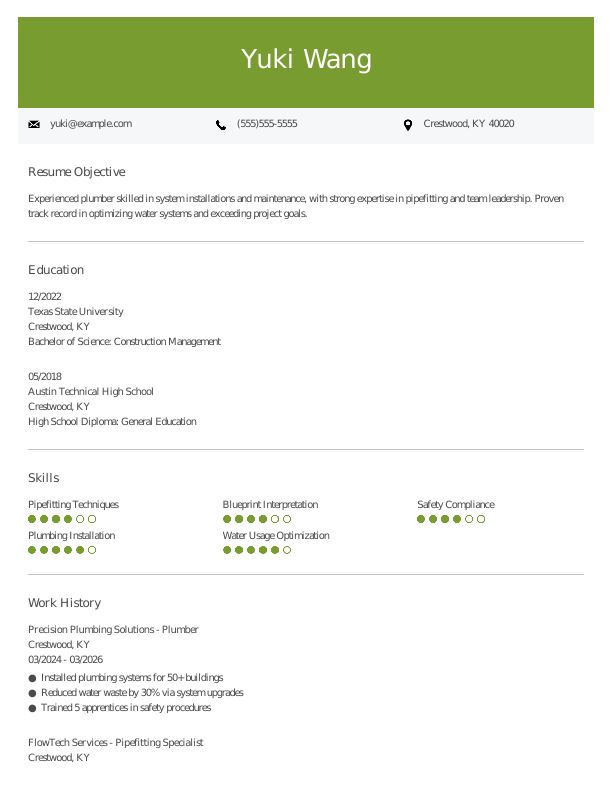

Plumber Entry-Level Resume 2
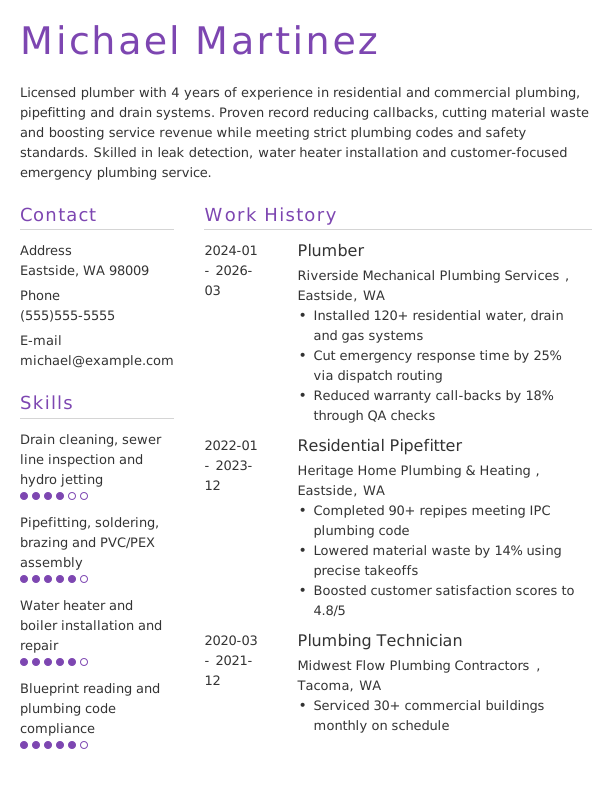

Plumber Mid-Level Resume 2
Browse Free Resume Templates
- Accounts Payable
- Adjunct Professor
- Artist
- Auto Mechanic
- Baker
- Business Development Manager
- Business
- Certified Nursing Assistant
- Classic & Traditional
- Cleaner
- College Student
- Concierge
- Construction Worker
- Corporate
- Creative & Unique
- Custodian
- Customer Service
- Dental Assistant
- Direct Support Professional
- Entry-Level
- Flight Attendant
- Hospitality & Food Service
- Front Desk Receptionist
- Healthcare
- High School
- Housekeeping
- Hvac Technician
- Hybrid
- Inventory Manager
- Logistics
- Maintenance
- Management
- Modern
- Mortgage Loan Processor
- Pet Sitter
- Phlebotomist
- Production
- Rbt
- Sales
- Security Services
- Restaurant Server
- Simple & Basic
- Social Work
- Teacher
- Technology
Resume Examples for Plumbers
Plumber resumes should be tailored to your licensing level and the types of systems you service. Browse our templates, or create a resume organized around your trade credentials.
Entry-Level Plumber Resume
Great for those entering the plumbing trade from an apprenticeship program, this template simplifies creating a plumber resume by leading with your licensing progress, hands-on training hours, and code knowledge coursework.

Mid-Career Plumber Resume
A smart choice for skilled plumbers aiming to advance their careers, this template showcases recent achievements and positions them for specialized roles in a competitive market.

Experienced Plumber Resume
An ideal choice for plumbers with over 10 years of experience, this template is tailored for professionals seeking senior-level roles in plumbing services or project management.

Plumber Resume Template (Text)
The text resume below provides a solid starting point for a plumber application. Paste it into your document and swap in your own licensing details and trade specialties.
Hank Green
Eastside, WA 98002
Professional Summary
Licensed plumber with 8 years of experience in residential and light commercial plumbing, specializing in code-compliant installations and emergency repair services. Proven record reducing water loss, boosting first-time fix rates, and increasing service revenue while maintaining strong safety performance. Expert in plumbing diagnostics, drain cleaning, water heater installation, and customer-focused solutions that enhance reliability and efficiency.
Work Experience
April 2022 – March 2026
Riverside Mechanical Plumbing Services – Eastside, WA
Plumber
- Installed 180+ fixtures, cutting call-backs by 22%
- Diagnosed pipe leaks, reducing water loss by 30%
- Upsold service plans, lifting revenue by $45K yearly
April 2018 – March 2022
ClearFlow Home Plumbing Solutions – Eastside, WA
Residential Plumbing Technician
- Completed 950+ service calls with 96% satisfaction
- Cut average emergency response time by 18%
- Lowered warranty repairs by 25% via QA checks
January 2018 – March 2018
Midwest Pipe & Utility Contractors – Seattle, WA
Apprentice Pipefitter
- Assisted in 12 commercial rough-ins on schedule
- Maintained tool inventory, cutting loss by 15%
- Supported code inspections with 98% pass rate
Education
June 2016
Ohio Technical Institute of Building Trades Silverlake, WA
Master Plumber Diploma Advanced Plumbing Systems and Codes
June 2014
Columbus Regional Technical High School Silverlake, WA
High School Diploma Construction and Building Trades Pathway
Certifications
- Certified Plumbing Design Technician (CPDT) – American Society of Plumbing Engineers
- Backflow Prevention Assembly Tester – Ohio Environmental Protection Agency
- OSHA 30-Hour Construction Safety – Occupational Safety and Health Administration
Skills
- Residential and commercial plumbing repair
- Pipefitting, soldering, and welding techniques
- Reading blueprints and plumbing schematics
- Drain cleaning and hydro jetting services
- Water heater and boiler installation
- Backflow prevention and cross-connection control
- Plumbing code compliance and safety standards
- Customer service and job site communication
How to Write a Plumber Resume
As a plumber, knowing how to write a resume means mixing your technical skills and hands-on experience with a clear format that showcases your qualifications. Use the guidance below to emphasize your strengths and tailor your resume for the specific job you’re aiming for.
1. Contact Info
Your contact information must be clearly displayed and professionally presented at the top of your resume.
Be sure to include:
- Full name
- Phone number
- Professional email address
- City and state (ZIP code is optional)
- LinkedIn profile or personal portfolio (if relevant)
 PRO TIP
Skip including personal details such as your age, photo, or religion on your resume unless an employer specifically requests them.
2. Resume Profile
A resume profile is a concise introduction (2–4 sentences) that highlights your skills and qualifications. It serves as a compelling pitch to hiring managers, aiming to capture their interest and motivate them to delve deeper into your resume.
Typically located at the top of your resume, it can be formatted as either a summary or an objective, each fulfilling distinct roles. This strategic placement ensures that readers quickly grasp your professional identity and goals:
- A resume summary highlights essential skills, relevant experience, and notable achievements in the plumbing industry. This format benefits those with prior work history or transferable skills seeking to showcase their contributions as a skilled plumber.
- A resume objective outlines your future aspirations and highlights what you aim to accomplish in your career. This section is especially beneficial for recent plumbing graduates or professionals transitioning into the trades, as it clearly communicates your goals to potential employers.
Let’s explore the distinctions between a resume summary and a resume objective through the following examples:
Plumber resume summary example:
Dedicated plumber with over 6 years of experience in residential and commercial settings, specializing in installation, maintenance, and repair of plumbing systems. Proficient in troubleshooting issues, adhering to safety regulations, and delivering exceptional customer service. Acknowledged for efficiency in completing projects on time and exceeding client expectations.
Plumber resume objective example:
Recent plumbing technician graduate and licensed journeyman excited to embark on a career in residential and commercial installations. Committed to delivering high-quality service and maintaining safety standards while contributing strong problem-solving abilities and attention to detail in a dynamic plumbing company.
3. Work Experience
The work experience on your resume serves as an important foundation for showcasing your qualifications. Employers assess not only your job titles but also the tangible impact you’ve made in previous roles.
Your work history illustrates how your skills and experiences align with the expectations of plumbing positions, highlighting your readiness to excel in this field.
The work experience section should contain:
- Job title
- Employer name and location
- Dates of employment (month/year)
- 3–5 bullet points outlining your plumbing duties and project accomplishments
Customize your work experience bullet points to match the plumbing role by using industry-specific terms. Begin each point with strong action verbs such as “Installed,” “Repaired,” or “Inspected” to clearly convey your responsibilities and skills. Include measurable details like the number of systems serviced or projects completed. Concrete metrics highlight your impact and distinguish you from other applicants by showcasing real achievements.
In general, consider following the format of:
[action verb] + [responsibility] = [result/achievement]
For example:
Installed and repaired plumbing systems in over 150 residential properties, ensuring compliance with local codes and achieving a 95% customer satisfaction rate.
Note that you can also flip the result/achievement with the responsibility:
Reduced water leakage incidents by 30% through proactive maintenance and timely pipe replacements.
With these techniques in mind, your resume bullets may look something like:
- Installed and repaired plumbing systems for over 50 residential properties, reducing customer complaints by 20%.
- Executed routine maintenance checks on commercial plumbing systems, preventing potential failures in 95% of cases.
- Collaborated with contractors to ensure timely project completion within budget guidelines, improving overall client satisfaction.
- Used CAD software for designing plumbing layouts, improving efficiency in project planning.
- Mentored junior plumbers on best practices and safety protocols, fostering a culture of continuous learning.
4. Skills
The skills section provides a concise overview of your plumbing abilities, showcasing your expertise to potential employers. This ATS-friendly resume format allows hiring managers to quickly evaluate your qualifications and fit for the role.
Skills can be categorized into three key areas:
- Soft skills are personal qualities that influence how well plumbers interact with clients and colleagues.
- Hard skills are specific, measurable abilities gained through education, training, or hands-on experience.
- Technical skills are the practical abilities required to operate tools and machinery specific to a trade.
5 Soft Skills for Your Resume or CV
- Effective communication
- Attention to detail
- Customer service orientation
- Teamwork and collaboration
- Time management skills
5 Hard Skills for Your Resume or CV
- Pipe installation and repair
- Drain cleaning techniques
- Water quality testing (pH, chlorine)
- Knowledge of plumbing codes (IPC, UPC)
- Faucet and fixture replacement
Generally, aim to showcase a balanced mix of skills that match the job requirements to demonstrate your qualifications.
PRO TIP
If you’re a newer plumber, consider placing your skills section higher on the resume right after your summary. If you have more experience, it’s best to position this section lower and weave your skills into your work history for better context.
5. Education
Understanding how to list education on your resume is essential to clearly showcase your qualifications. Begin with your most recent or relevant plumbing certification, including both the type of certification and the institution’s name. If you’re a recent graduate, consider adding details like your graduation year, GPA (if it’s 3.5 or higher), any honors received, or specific courses that highlight your skills in plumbing.
Plumber resume education section example:
Diploma in Plumbing Technology
City College of New York, New York, NY
Graduated: 2023 | Graduated with Distinction
PRO TIP
When listing your degrees on a resume, always arrange them in reverse-chronological order, starting with the most advanced, such as Bachelor of Science in Plumbing (BSP) followed by Associate Degree in Plumbing (ADP).
6. Certifications
Certifications are a clear indicator of your qualifications and expertise as a plumber. While not always included in a traditional resume, this section is essential for many professionals in the trade. Employers often look for specific licenses or certifications, especially for specialized areas like gas fitting or backflow prevention.
Highlight relevant plumbing certifications that bolster your application, such as journeyman status or safety training. Ensure these credentials are current and presented in an organized manner to improve your candidacy.
Plumber certification examples:
- Plumbing License, State of New York | New York State | Expires: 12/2028
- Backflow Prevention Certification | American Backflow Prevention Association | Expires: 11/2027
- Gas Fitter Certification | National Fire Protection Association | Expires: 02/2028
- Residential Plumbing Specialist Certification | National Center for Construction Education and Research | Expires: 09/2027
Start Building Your Job-Winning Resume
Use Your Existing Resume
Import your current resume to transfer your information to one of our professional templates.
Create a New Resume
Start fresh with a template that catches your eye and follow the prompts to add your details.
Tailor Your Work History to Beat the ATS
Your work experience goes beyond just listing previous positions. It’s an opportunity to demonstrate the tangible results you’ve achieved in plumbing projects, showcasing your skills and contributions. This method not only highlights your expertise but also helps create a resume that applicant tracking systems (ATS) can easily scan.
To improve your work history for a specific job application, tailor it with relevant keywords and phrases. Begin by carefully reviewing the job description to identify key skills and requirements that are frequently mentioned. Then, ensure these elements are reflected in your experience descriptions to align with what employers are looking for.
What’s a Fair Plumber Salary?
Researching salary information is essential for assessing job offers, negotiating pay, and making informed career choices. The data provided by the U.S. Bureau of Labor Statistics (BLS) reflects the most recent nationwide averages for plumbers.
Several factors can affect actual salaries, including geographic location, years of experience, certifications, and areas of specialization. For example, plumbers working in commercial construction or those with specialized skills like gas fitting often earn higher wages than those in residential settings.
| Alabama | $54,720 |
| Alaska | $84,160 |
| Arizona | $67,010 |
| Arkansas | $51,630 |
| California | $78,350 |
| Connecticut | $69,500 |
| Delaware | $65,220 |
| District of Columbia | $83,840 |
| Florida | $53,630 |
| Georgia | $59,470 |
| Hawaii | $85,320 |
| Idaho | $59,110 |
| Illinois | $89,180 |
| Indiana | $69,500 |
| Iowa | $64,860 |
| Kansas | $68,710 |
| Kentucky | $66,500 |
| Louisiana | $62,520 |
| Maine | $65,740 |
| Maryland | $69,980 |
| Massachusetts | $87,390 |
| Michigan | $72,830 |
| Minnesota | $83,470 |
| Mississippi | $57,490 |
| Missouri | $70,380 |
| Montana | $73,120 |
| Nebraska | $68,660 |
| Nevada | $67,380 |
| New Hampshire | $64,080 |
| New Jersey | $89,320 |
| New Mexico | $61,090 |
| New York | $84,510 |
| North Carolina | $54,120 |
| North Dakota | $65,760 |
| Ohio | $66,940 |
| Oklahoma | $56,890 |
| Oregon | $92,480 |
| Pennsylvania | $73,950 |
| Rhode Island | $72,760 |
| South Carolina | $55,390 |
| South Dakota | $55,090 |
| Tennessee | $59,430 |
| Texas | $59,500 |
| Utah | $62,600 |
| Vermont | $63,230 |
| Virginia | $58,820 |
| Washington | $87,360 |
| West Virginia | $55,730 |
| Wisconsin | $83,020 |
| Wyoming | $62,070 |
| Guam | $40,210 |
| Puerto Rico | $29,180 |
| Virgin Islands | $56,420 |
Key Takeaways
- Customize your resume for the specific job. Match keywords and requirements from the job listing to pass ATS checks and appeal to hiring managers.
- Highlight quantifiable accomplishments to demonstrate your value (e.g., number of service calls completed, customer satisfaction ratings, safety records).
- Select a resume format based on experience. Entry-level plumbers might choose a functional or combination resume, while those with years of experience should opt for reverse-chronological formats.
More Resume & CV Examples
- Air Sealing Technician
- Aircraft Mechanic
- Automotive Technician
- Barber
- Blue Collar
- Boilermaker
- Budtender
- Cable Technician
- Carpenter
- Carpentry
- Cosmetologist
- Crane Operator
- Diesel Mechanic
- Diesel Technician
- Electrician
- Glazier
- Hair Stylist
- Handyman
- Hvac Installer
- Industrial Electrician
- Ironworker
- Journeyman Electrician
- Landscaper
- Lineman
- Machinist
- Millwright
- Painter
- Pipe Fitter
- Roofer
- Solar Installer
- Structural Welder
- Welder
Cover Letters for Your Resume
Browse our library of cover letter examples to complete your application. A resume will have a better chance of getting noticed.
Frequently Asked Questions
Last Update:
What resume format should I use for my plumber resume?
There are three primary resume formats to consider when applying for a plumbing position. Your choice should reflect your experience level and highlight the skills or qualifications you wish to emphasize:
- Chronological: The chronological resume format is the most widely used, focusing on your work history while highlighting your responsibilities and achievements. This structure works well for job seekers with a relevant job background that strengthens their qualifications and builds credibility into their application.
- Functional: The functional resume, also known as a skills-based resume, emphasizes your qualifications with a detailed skills section. This format reduces the emphasis on work history, making it ideal for individuals who have limited relevant experience or employment gaps. It provides a way for applicants to prominently showcase their abilities.
- Combination: The combination resume merges chronological and functional formats, showcasing both skills and work experience. This format is ideal for professionals aiming to emphasize their abilities while also demonstrating career progression, making it a strong choice for those transitioning into new fields or advancing in their careers.
Should I include a cover letter with my resume?
Yes, you should include a cover letter with your plumbing job application. A well-crafted cover letter improves your resume by allowing you to share specific experiences and skills that highlight your suitability for the role, while also demonstrating your genuine interest in the company. This personal touch can set you apart from other applicants who may submit only a resume.
If you’re hesitant about writing a cover letter, there are numerous resources available to assist you. You can find guides on how to write a cover letter tailored for plumbing jobs, along with examples that showcase different styles and formats. These tools will help you understand what employers look for and how to best present your qualifications.
To make the writing process easier, consider using a cover letter generator, which provides templates and suggestions customized for plumbing positions, ensuring your application stands out without requiring extensive effort.
How long should a plumber resume be?
For plumbers with less than 10 years of experience, a one-page resume is typically adequate to showcase skills and relevant work history. Highlight essential certifications, such as OSHA training or plumbing licenses, along with key projects that demonstrate your expertise.
Conversely, experienced plumbers or those in specialized roles can extend their resumes to two pages if they maintain focus on relevant qualifications. Include details about leadership positions or advanced certifications while ensuring that every aspect of the content adds value without unnecessary filler.
What keywords should I include to pass applicant tracking systems (ATS)?
To ensure your resume passes ATS filters, focus on incorporating keywords and phrases straight from the job listing. Look for specific plumbing terms like “pipe fitting,” “drainage systems,” or “water heater installation” that highlight your expertise. You should also include relevant certifications such as OSHA safety training and technical skills with tools like pipe benders or drain snakes to showcase your qualifications.
Make sure to tailor your resume for each application by using variations of these key terms throughout your document. This will not only help you get noticed by ATS but also demonstrate that you’re a strong match for the role you’re applying for.
Should I include apprenticeships or informal work experience on my resume?
Yes, particularly if you’re new to the plumbing industry. Detailing apprenticeships highlights practical skills gained in real-world environments, making your application more appealing even if you lack extensive formal plumbing positions.

Elizabeth Muenzen is a Certified Professional Resume Writer (CPRW) and member of the Professional Association of Resume Writers & Career Coaches who empowers job seekers to take control of their career paths using Monster’s comprehensive job search and resume tools.
See More From Elizabeth Muenzen