

Free Welder Cover Letter Templates & Examples
Get more interviews with our professionally designed welder cover letter templates. These free templates offer practical tips to showcase your blueprint reading, fabrication, and AWS-certified welding skills directly to hiring managers.
Real-World Cover Letters That Get Results
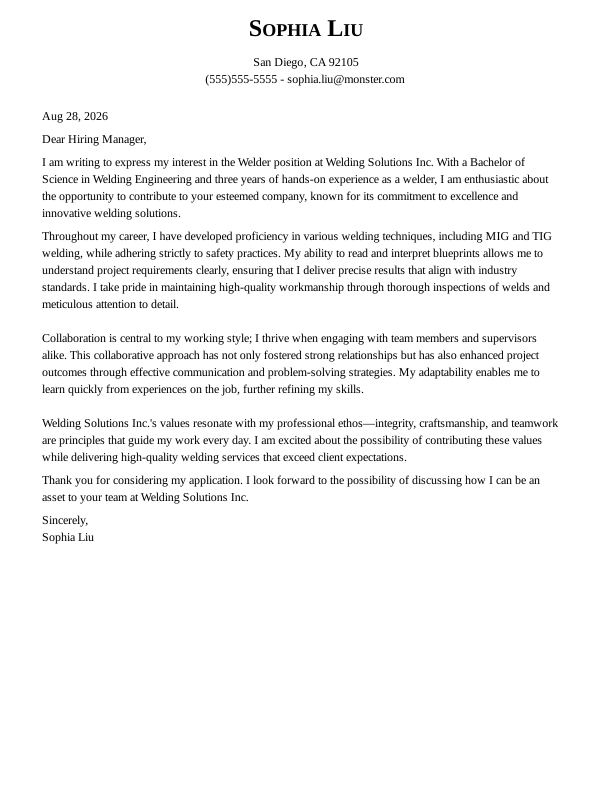
 Free
FreeWelder Entry-Level Cover Letter
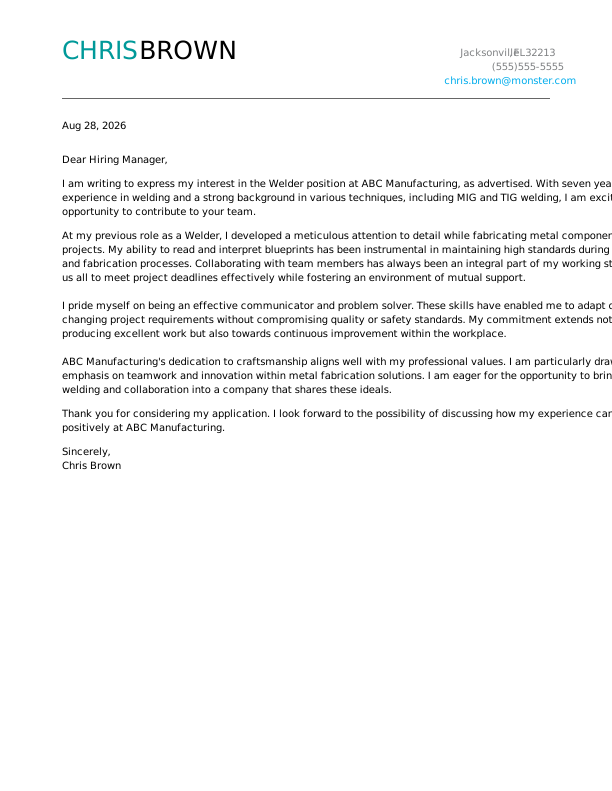
Welder Mid-Level Cover Letter
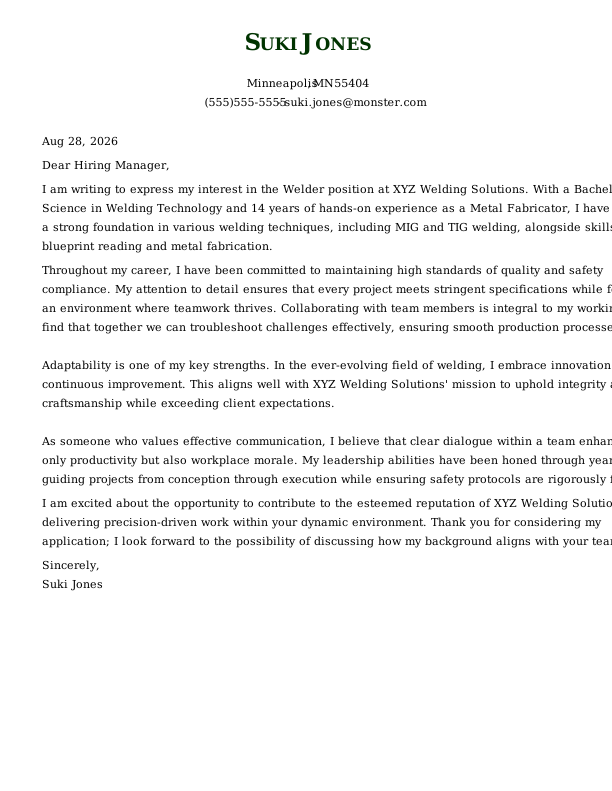
Welder Experienced Cover Letter
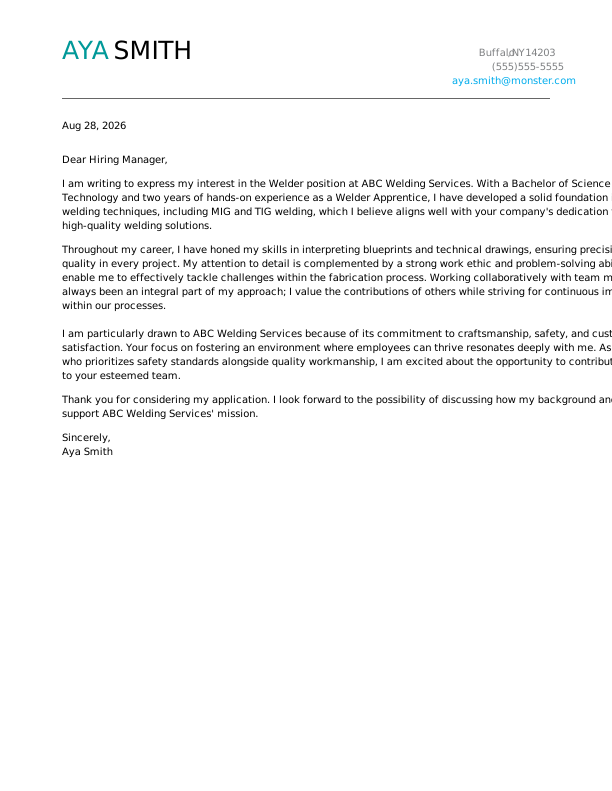
Welder Entry-Level Cover Letter
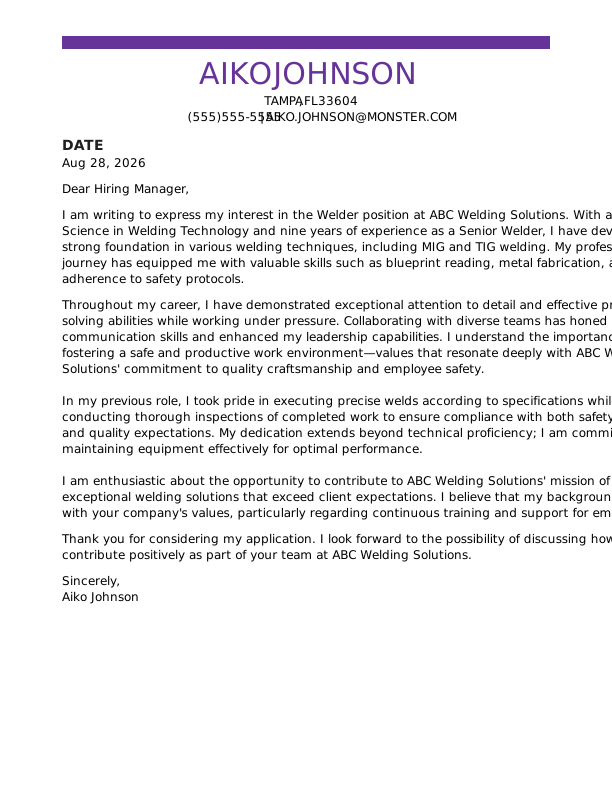
Welder Mid-Level Cover Letter
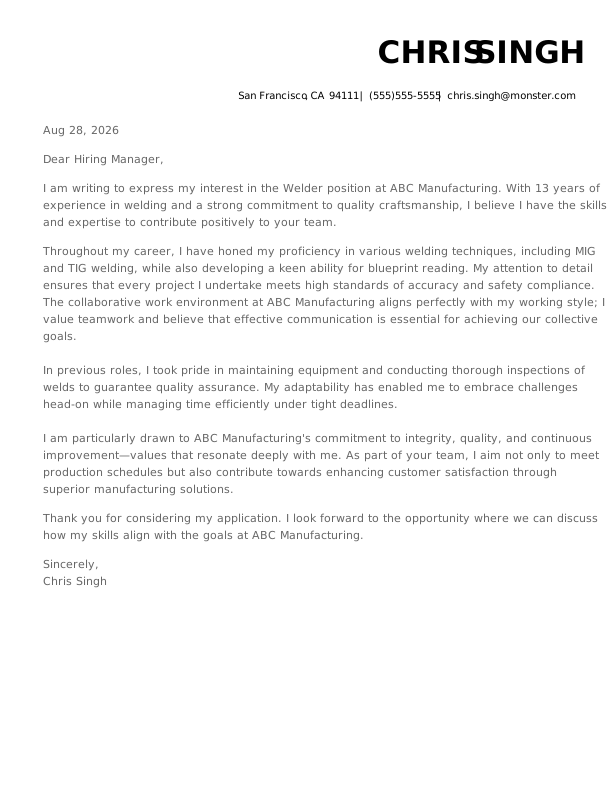
Welder Experienced Cover Letter
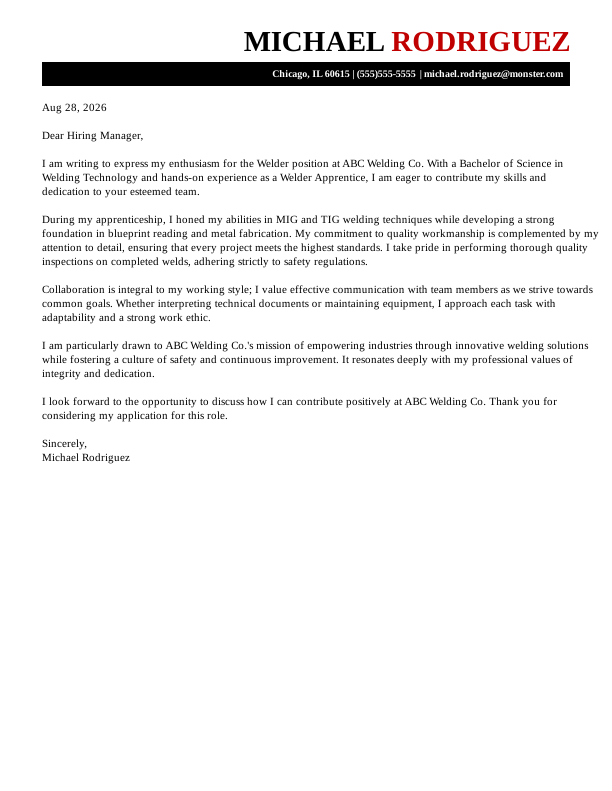
Welder Entry-Level Cover Letter
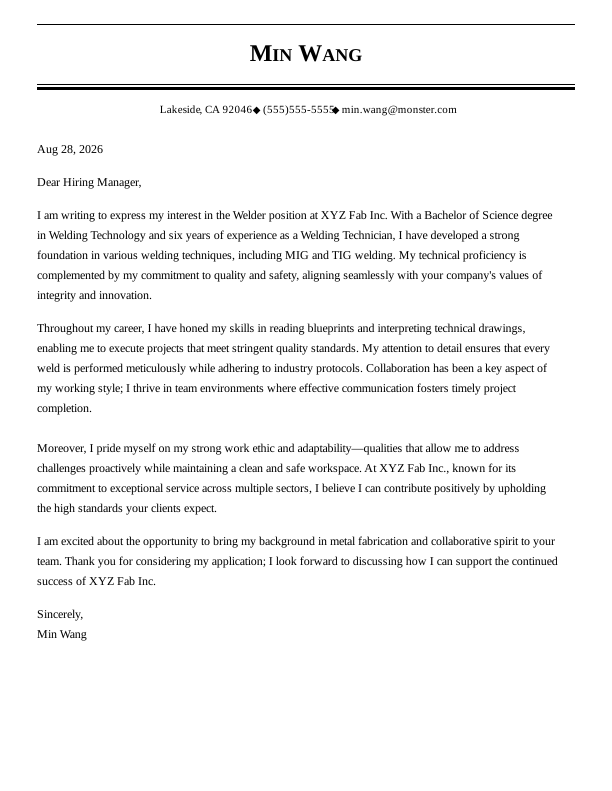
Welder Mid-Level Cover Letter
Browse Free Cover Letter Templates
- Account Manager
- Accounts Payable
- Administrative Assistant
- Admissions Counselor
- Artist
- Babysitter
- Barista
- Bartender
- Bookkeeper
- Brand Ambassador
- Business Analyst
- Caregiver
- Chef
- Civil Engineering
- Computer Science
- Custodian
- Customer Service
- Dental Assistant
- Electrical Engineering
- Emt
- Engineering
- Event Coordinator
- Executive Assistant
- Finance
- Financial Analyst
- Firefighter
- Flight Attendant
- Graphic Designer
- Hair Stylist
- Healthcare
- Investment Banking
- It
- Janitor
- Journalism
- Lab Technician
- Law Clerk
- Lawyer
- Librarian
- Logistics
- Manager
- Marketing Manager
- Massage Therapist
- Mechanic
- Mechanical Engineer
- Medical Assistant
- Non Profit
- Nursing
- Office Manager
- Paralegal
- Personal Trainer
- Pharmacy Technician
- Photographer
- Physician Assistant
- Pilot
- Police Officer
- Project Manager
- Property Manager
- Receptionist
- Research Assistant
- Retail
- Sales
- Security Officer
- Social Work
- Software Engineer
- Teacher
- Teaching Assistant
- Truck Driver
- Vet Tech
- Veterinary Assistant
- Web Developer
Cover Letter Examples for Welders
A welder cover letter changes by career stage, from entry-level apprenticeship work to mid-career production and experienced project or lead roles. Use templates for each level to highlight the skills, certifications, and job examples that match your experience.
Entry-Level Welder Cover Letter
Perfect for recent graduates who need help writing a cover letter with no experience, this template also supports career changers moving into welding from other fields. It gives you a clear way to explain training, safety habits, and hands-on practice for welder roles in plain language.
Mid-Career Welder Cover Letter
A good fit for experienced welders looking to advance into lead roles or specialized fabrication, this template spotlights your blueprint-reading strengths and hands-on MIG/TIG skills while positioning you for greater responsibility.
Experienced Welder Cover Letter
Best for welders with 10+ years of experience, this template helps job seekers pursue lead welder or shop floor supervision roles while they build advanced skills in MIG and TIG welding, blueprint reading, and safety-focused production.
Welder Cover Letter Template (Text)
Use an editable text cover letter template for a welder role, then copy, paste, and customize it in your document.
Olivia Davis
Westbrook, ME 04098
(555)555-5555
olivia.davis@monster.com
Aug 28, 2026
Dear Hiring Manager,
I am writing to express my interest in the welder position at ABC Manufacturing. With a Bachelor of Science in Welding Technology and five years of hands-on experience in a manufacturing environment, I am eager to contribute to your team known for its commitment to innovation and excellence.
Throughout my career, I have honed my skills in MIG and arc welding, blueprint reading, and ensuring the quality of fabricated metal components. My strong work ethic drives me to maintain meticulous attention to detail while adhering closely to safety standards. Collaboration is central to my working style; I thrive in team-oriented settings where effective communication fosters efficiency and problem-solving.
At my previous role as a welder, I took pride in producing high-quality work that met industry standards while adapting quickly to project demands. Maintaining equipment for optimal performance has been crucial in supporting smooth operations on the shop floor. I understand ABC Manufacturing’s focus on precision and durability, values that resonate with my professional approach.
I am excited about the opportunity at ABC Manufacturing because it aligns with my passion for creating durable products while working alongside like-minded professionals dedicated to excellence. Thank you for considering my application; I look forward to discussing how I can contribute positively as part of your esteemed team.
Sincerely,
Olivia Davis
How to Write a Welder Cover Letter
For a welder role, writing a strong cover letter means showing you fit the crew through personalized details, clear examples of your fabrication projects, and proof of key skills like reading blueprints, mastering welding processes, and maintaining safe shop practices. Follow the steps below to highlight your experience and tailor your letter to each job, matching your certifications and materials expertise to the specific shop or project requirements.
1. Research & Prepare
Before you write your cover letter, research the shop, its typical projects, and the exact type of welding required. Welder roles vary across structural steel fabrication, pipe fitting, manufacturing, and field repair, so matching your experience to its daily production needs shows an immediate fit.
Review the job posting for required certifications; process types like MIG, TIG, or Stick; and specific equipment experience. Check the company website to see its recent projects or safety records, and scan LinkedIn profiles to learn who manages the shop or field crew. Use what you find to tailor your cover letter and highlight relevant tasks like reading blueprints, fitting components, or performing quality inspections.
2. Hook the Reader
Your cover letter opening paragraph sets the tone for what follows and gives hiring managers a reason to keep reading. It works best when you show a real connection to the shop or project, rather than just stating generic interest in the position.
Try mentioning a specific line of work it specializes in, like structural steel framing or high-pressure pipe systems. You could also open by highlighting a strong track record, such as passing X-ray or hydrostatic weld tests on tight production deadlines, or by sharing a brief example of how your prep work and joint fitting kept a complex fabrication job moving safely on schedule.
3. Tell Your Professional Story
Your cover letter should do more than just repeat your resume. Use the main paragraphs to tell a quick story with real-world examples and clear figures that show how you deliver clean welds and keep shop production moving.
Highlight specific wins, such as cutting rework by 15% through precise fit-up checks, dropping defect rates from 8% to 3%, or boosting output to complete 12 units per shift while meeting strict code standards. Explain how you read blueprints accurately, teamed up with fitters and quality inspectors, and caught material defects before final inspection.
4. Showcase Your Skills
Match your welding skills to the exact requirements in the job posting so employers see a clear fit. Connecting your specific technical abilities to what the shop needs shows how you manage metal preparation, weld quality, and daily shop pace under tight tolerances.
For example, if the post highlights MIG or TIG welding on stainless or carbon steel, explain how you adjusted machine settings to limit heat distortion and consistently pass quality checks. If it calls for blueprint reading or joint preparation, describe how you interpreted welding symbols and fit-up requirements to complete builds accurately and pass inspections on the first attempt.
5. Explain Any Special Circumstances
If you have an employment gap, a career shift, or a recent relocation, address it early and briefly. State the reason directly, then pivot to what you gained during that time, such as new certifications, updated safety credentials, or renewed focus on your trade. Keep the tone positive and connect your experience directly to the role you are applying for.
For a welder, you can mention taking time off to complete AWS certifications or refresh your knowledge of OSHA safety standards. If you moved from shop fabrication to field welding, highlight how working across diverse jobsites sharpened your adaptability, site safety habits, and ability to coordinate with different trades under tough conditions.
6. End With a Professional Goodbye
Close your cover letter by restating your interest in the welder role, thanking the manager for their time, and inviting them to discuss how your experience fits the company’s needs. Highlight specific strengths you offer, such as proficiency in MIG, TIG, or Stick processes, precise blueprint reading, or a strong record of safety and quality control.
Wrap up with a strong final statement, such as: “I welcome the opportunity to discuss how my welding skills, blueprint reading, and focus on quality control can support your production goals.” Then, end with a professional sign-off like “Sincerely” or “Best regards.”
4 Tips for Formatting Your Cover Letter
Use clear cover letter formatting to help hiring managers scan your message quickly. Keep spacing, headings, and font simple so your letter reads as professional and easy to follow. These tips apply whether you are new to the trade or experienced on the shop floor.

Keep It to One Page
Hiring managers stay busy, so keep your cover letter concise and to one page. Aim for 250 to 400 words or three to four focused paragraphs that highlight your most relevant welding skills, such as process experience, blueprint reading, or shop safety habits.

Use a Professional Font & Layout
Choose a clean, professional font such as Arial, Calibri, Times New Roman, or Verdana in 10 to 12 pt. Use standard one-inch margins and keep spacing consistent so the cover letter matches your welding resume layout.

Address the Hiring Manager Directly
When you write a cover letter for a welder role, address the hiring manager or shop foreman by name if you can find it in the job description, on the company website, or via LinkedIn. If you cannot locate a name after checking these sources or reaching out to the shop, use “Dear Hiring Manager” or “To the Hiring Team,” and skip “To Whom It May Concern,” which feels outdated.

Save & Send as a PDF
Save your cover letter as a PDF to preserve formatting across devices and shop application systems. Name the file clearly using your full name and the words cover letter, such as “Sam_Lee_cover_letter.pdf.”
Top-Paying States for Welder Roles
Knowing what welder wages look like across the country helps you compare job offers, negotiate fair pay, and plan your next career move. The salary data below comes from the U.S. Bureau of Labor Statistics and reflects recent nationwide averages for welders.
Keep in mind that location, years of experience, certifications, and welding specialization can all change your actual earnings. Welders with credentials like AWS certifications or those who specialize in pipe welding, structural steel, or pressure vessel work often earn more at industrial plants, refineries, shipyards, or major construction projects than in general fabrication shops.
| Alabama | $49,440 |
| Alaska | $76,370 |
| Arizona | $58,390 |
| Arkansas | $48,970 |
| California | $61,980 |
| Connecticut | $66,330 |
| Delaware | $61,310 |
| District of Columbia | $66,140 |
| Florida | $52,570 |
| Georgia | $49,960 |
| Hawaii | $75,510 |
| Idaho | $51,670 |
| Illinois | $53,630 |
| Indiana | $53,020 |
| Iowa | $52,280 |
| Kansas | $52,360 |
| Kentucky | $51,320 |
| Louisiana | $62,290 |
| Maine | $58,680 |
| Maryland | $59,800 |
| Massachusetts | $64,380 |
| Michigan | $52,780 |
| Minnesota | $59,220 |
| Mississippi | $51,360 |
| Missouri | $53,100 |
| Montana | $56,310 |
| Nebraska | $53,060 |
| Nevada | $62,300 |
| New Hampshire | $60,080 |
| New Jersey | $64,500 |
| New Mexico | $60,390 |
| New York | $60,700 |
| North Carolina | $53,340 |
| North Dakota | $62,700 |
| Ohio | $52,210 |
| Oklahoma | $50,820 |
| Oregon | $59,550 |
| Pennsylvania | $53,210 |
| Rhode Island | $61,480 |
| South Carolina | $50,900 |
| South Dakota | $49,280 |
| Tennessee | $49,420 |
| Texas | $54,380 |
| Utah | $57,200 |
| Vermont | $56,560 |
| Virginia | $58,250 |
| Washington | $64,730 |
| West Virginia | $52,720 |
| Wisconsin | $55,660 |
| Wyoming | $68,540 |
| Guam | $43,080 |
| Puerto Rico | $29,100 |
| Virgin Islands | $58,520 |
Key Takeaways
- Personalize each letter for the specific shop and job. Mention the types of welds, materials, and standards the shop uses so it’s clear you’ve done similar work.
- Lead with a strong hook and include measurable proof. Reference certifications, plate thicknesses, production rates, rework reduction, or quality results to show impact.
- Keep formatting clean and consistent with your resume. Use the same contact header and simple spacing so hiring managers can scan quickly.
Browse Monster’s Resume Templates
Monster also has hundreds of ATS-friendly resume templates for all career levels and industries. Create a matching resume to help you land the interview.
- Air Sealing Technician
- Aircraft Mechanic
- Auto Mechanic
- Automotive Technician
- Barber
- Boilermaker
- Budtender
- Cable Technician
- Carpenter
- Carpentry
- Cosmetologist
- Crane Operator
- Diesel Mechanic
- Diesel Technician
- Electrician
- Glazier
- Hair Stylist
- Handyman
- Hvac Installer
- Hvac Technician
- Industrial Electrician
- Ironworker
- Journeyman Electrician
- Landscaper
- Lineman
- Machinist
- Millwright
- Painter
- Pipe Fitter
- Plumber
- Roofer
- Solar Installer
- Structural Welder
- Welder
- Equipment Operator
Frequently Asked Questions
Last Update:
Do I really need a cover letter?
Yes, include a cover letter even if it’s marked optional. It lets you add job-relevant context that a resume can’t show, and it signals initiative and real interest in the welder position.
A cover letter matters most when you’re pivoting into welding from another trade, have an employment gap, or want to work at a specific shop. It also gives you room to highlight your hands-on strengths, safety mindset, and pride in clean, accurate work.
How long should my cover letter be?
A welder cover letter should stay one page maximum, typically 250–400 words. Hiring managers review many applications and spend limited time on each submission.
Keep it focused by sharing only the most relevant experience and achievements, not every job task you’ve done. Organize your letter into three to four concise paragraphs so each section has a clear purpose.
Should my cover letter match my resume?
Yes, your cover letter should match your welder resume’s visual design. Use the same fonts, colors, and header style so your application package looks cohesive and intentional.
However, the content should complement rather than duplicate your resume. For a welder role, expand on key projects like pipe or structural work, explain what drew you to welding, and add details about safety habits, materials you handled, and results that bullet points cannot fully show.
How do I address my cover letter if I don’t know the hiring manager’s name?
Try to find the hiring manager’s name before you write your salutation. Check LinkedIn, the company website, or call the shop and ask who handles hiring for welders. If you still cannot locate a name, use a role or department reference.
Use “Dear Hiring Manager” or “Dear Maintenance Team” if that fits the welder position. Avoid “To Whom It May Concern” and skip casual greetings like “Hi.” Keep it professional and direct.
Can I use AI to write my cover letter?
AI tools like a cover letter generator can help you draft ideas, organize your points, and push past writer’s block. They give a useful structure, but you still need to tailor the message to your welding experience and the shop you want to join.
Use AI as a starting point, then edit heavily to add your real projects, specific skills, and genuine interest in that employer. Hiring managers can often spot generic AI-generated content, so make sure your final version sounds like you.

Vicki Salemi is a nationally recognized career expert who helps professionals navigate the hiring landscape and find the right fit on Monster. With over 15 years of experience in corporate recruiting and HR, she offers expert guidance on job search strategies, interview preparation, and career development to help candidates land their next role.
See More From Vicki SalemiExplore Related Career Advice






How to Write a Cover Letter for Internal Positions or Promotions (Examples & Tips)

Updated:
Apr 23, 2026
|

19 min read


Cover Letter vs Resume: What’s the Difference & Do You Need Both?

Updated:
Apr 23, 2026
|
18 min read