Free Audio Engineer Resume Templates & Examples
An audio engineer resume should showcase your recording, mixing, and mastering skills alongside your studio and live sound experience. Pick a template below that organizes your technical and creative credentials.
Real-World Resumes That Get Results
 Free
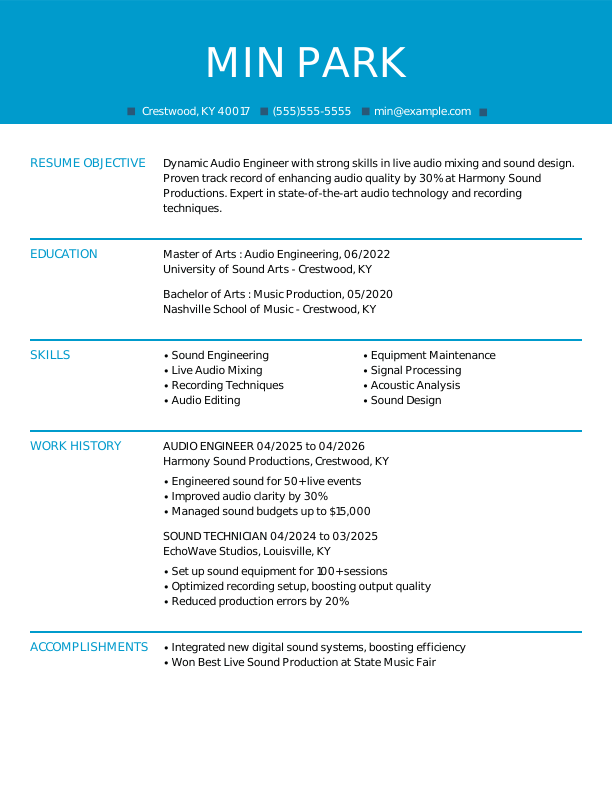
FreeAudio Engineer Entry-Level Resume
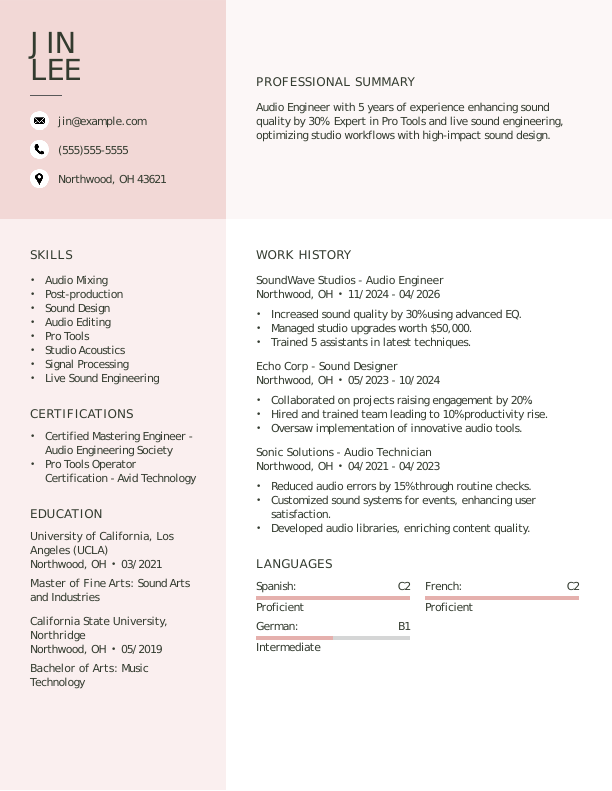
Audio Engineer Mid-Level Resume
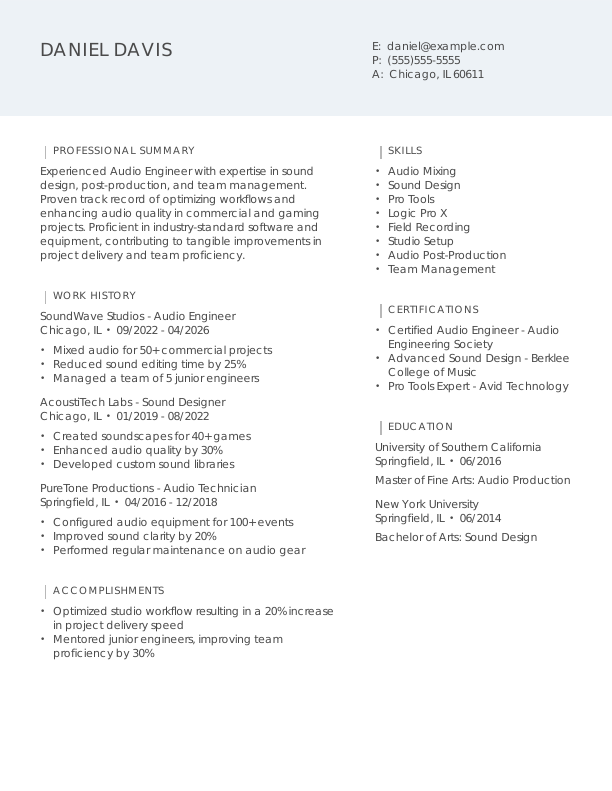
Audio Engineer Experienced Resume
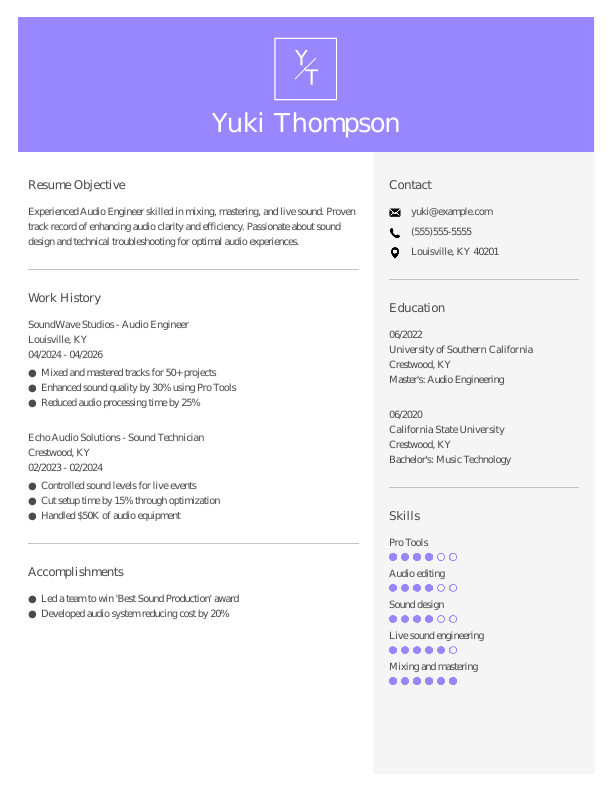
Audio Engineer Entry-Level Resume 1
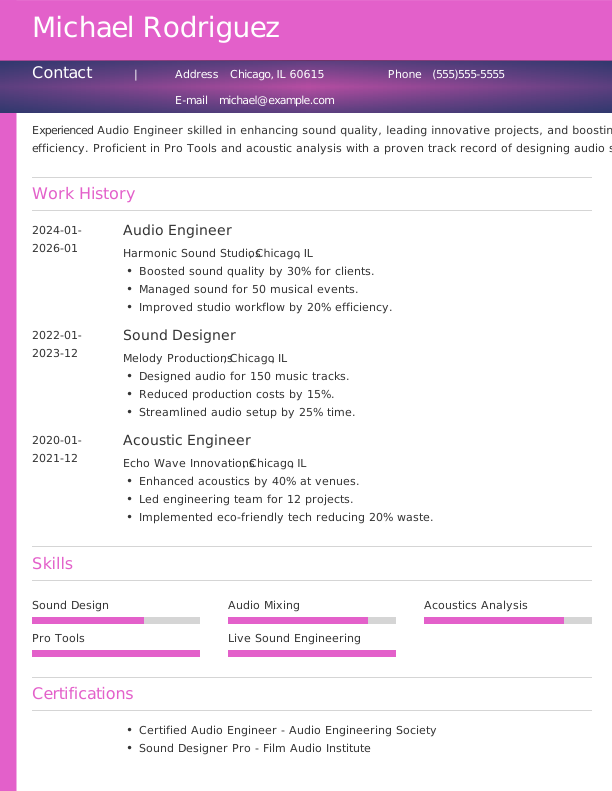

Audio Engineer Mid-Level Resume 1
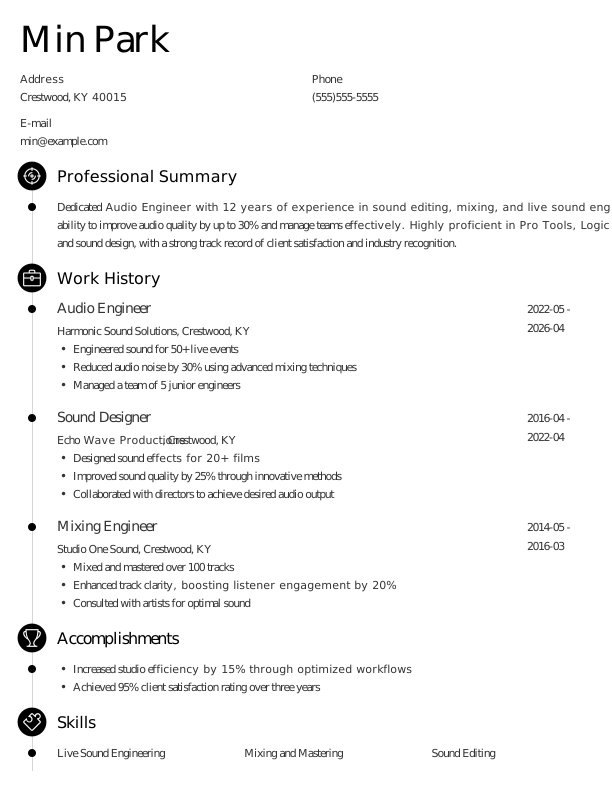

Audio Engineer Experienced Resume 1
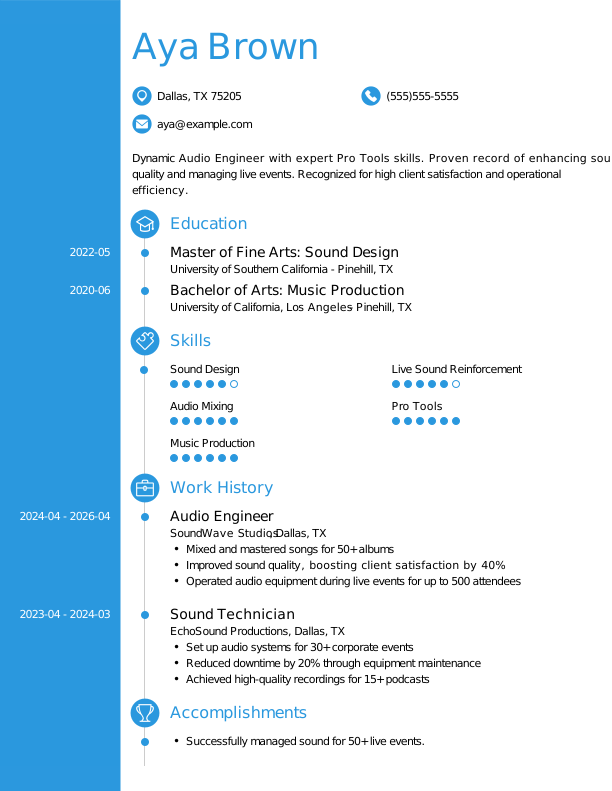

Audio Engineer Entry-Level Resume 2
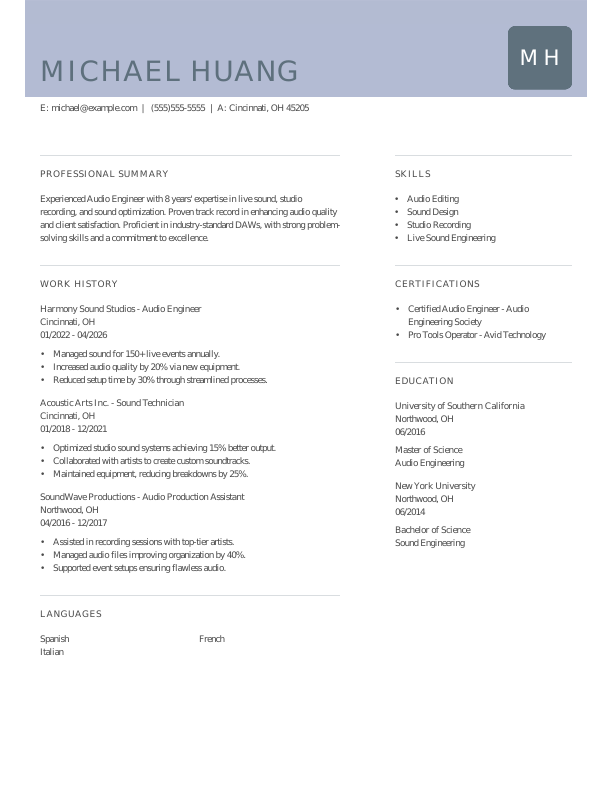
Audio Engineer Mid-Level Resume 2
Browse Free Resume Templates
- Accounts Payable
- Adjunct Professor
- Artist
- Auto Mechanic
- Baker
- Business Development Manager
- Business
- Certified Nursing Assistant
- Classic & Traditional
- Cleaner
- College Student
- Concierge
- Construction Worker
- Corporate
- Creative & Unique
- Custodian
- Customer Service
- Dental Assistant
- Direct Support Professional
- Entry-Level
- Flight Attendant
- Hospitality & Food Service
- Front Desk Receptionist
- Healthcare
- High School
- Housekeeping
- Hvac Technician
- Hybrid
- Inventory Manager
- Logistics
- Maintenance
- Management
- Modern
- Mortgage Loan Processor
- Pet Sitter
- Phlebotomist
- Production
- Rbt
- Sales
- Security Services
- Restaurant Server
- Simple & Basic
- Social Work
- Teacher
- Technology
Resume Examples for Audio Engineers
Audio engineer resumes should reflect your recording, mixing, and mastering experience alongside the studios or live venues you have worked in. Browse our templates to find one that organizes your technical and creative credentials.
Entry-Level Audio Engineer Resume
If you are entering audio engineering from a self-taught or home studio background, this template helps you build an audio engineer resume without professional studio experience by highlighting your project portfolio, DAW proficiency, and any live sound work.

Mid-Career Audio Engineer Resume
An ideal choice for audio engineers with several years of experience, this template effectively showcases recent projects while positioning job seekers for advanced roles in sound design and engineering.

Experienced Audio Engineer Resume
An ideal choice for audio professionals with over a decade of experience, this template supports applicants pursuing senior roles in audio engineering or sound design.

Audio Engineer Resume Template (Text)
The text resume below provides a foundation for an audio engineer application. Copy it into your document and update it with your recording and mixing credits. For more creative and technical formats, explore our full collection of resume templates.
Tao Wang
Eastside, WA 98011
Professional Summary
Dynamic Audio Engineer with 7 years of experience in enhancing sound quality and editing efficiency. Proven track record in creative audio solutions for films, live events, and studio recordings, boosting client satisfaction and process efficiency.
Work Experience
June 2023 – April 2026
Harmony Sound Studios – Eastside, WA
Audio Engineer
- Enhanced audio quality by 25% via advanced techniques
- Managed 30+ recording sessions monthly improving output
- Optimized mixing processes reducing costs by 15%
June 2020 – May 2023
Cinematic Audio Productions – Eastside, WA
Sound Designer
- Created soundscapes for 10+ films yearly
- Improved editing efficiency by 30% with tools
- Collaborated with directors enhancing sound
June 2018 – May 2020
Live Waves Audio – Eastside, WA
Audio Technician
- Set up audio equipment for 50+ live events
- Achieved 20% reduction in setup time
- Engineered sound for audiences up to 500
Education
May 2018
University of Southern California Silverlake, WA
Master of Arts Audio Engineering
May 2016
University of California, Los Angeles Silverlake, WA
Bachelor of Arts Music Production
Certifications
- Certified Audio Engineer – Audio Engineering Society
- Avid Pro Tools User Certification – Avid Technology
Skills
- Audio editing
- Mixing and mastering
- Sound design
- Live sound engineering
- Pro Tools expertise
- Creative problem-solving
- Project management
- Collaboration
How to Write a Audio Engineer Resume
As an audio engineer, learning how to write a resume involves showcasing your technical skills and creative experience through a format that captures your expertise in sound production. Use the guidance below to accentuate your strengths and tailor your resume for the specific audio engineering roles you’re aiming for.
1. Contact Info
Your contact information must be prominently displayed at the top of your resume, ensuring clarity and professionalism.
Be sure to include:
- Full name
- Phone number
- Professional email address
- City and state (ZIP code is optional)
- LinkedIn profile or personal portfolio (if relevant)
 PRO TIP
Avoid including personal information such as your age, gender, or social media links on your resume unless an employer specifically requests these details.
2. Resume Profile
A resume profile is a brief introductory section, typically consisting of 2–4 sentences, that highlights your key qualifications and unique skills. This section serves as an engaging pitch to hiring managers, capturing their interest and motivating them to explore your resume further.
Usually positioned at the top of your resume, the profile can be presented as either a summary or an objective, each serving distinct purposes. Understanding these differences will help you choose the best format for your professional narrative:
- A resume summary highlights essential skills, relevant experience, and significant achievements in the audio production landscape. This format is particularly useful for those with prior work history or transferable skills aiming to showcase their contributions as accomplished audio engineers.
- A resume objective is a forward-looking statement that highlights your career aspirations and the achievements you aim to attain. It’s especially beneficial for recent graduates, individuals shifting careers, or those with limited experience, such as coding bootcamp graduates or professionals moving into audio engineering.
Let’s examine the differences between a resume summary and a resume objective in the following examples:
Audio engineer resume summary example:
Innovative audio engineer with over 6 years of experience in studio and live sound environments. Proficient in audio mixing, sound design, and troubleshooting complex systems. Recognized for improving production quality and delivering exceptional auditory experiences for diverse projects.
Audio engineer resume objective example:
Recent audio engineering graduate excited to launch a career in a dynamic studio environment. Committed to innovative sound design and eager to contribute strong technical skills and a collaborative spirit to a production company or post-production facility.
3. Work Experience
The work experience on your resume serves as an important foundation for your candidacy. Employers examine your history to assess not just job titles and responsibilities but also the tangible impact you’ve made in previous roles. This background highlights how your skills as an audio engineer align with the requirements of the target position.
The work experience section should contain:
- Job title
- Employer name and location
- Dates of employment (month/year)
- 3–5 bullet points detailing your audio engineering tasks and project outcomes
Tailor your work experience to the audio engineering position by using industry-specific terminology. Start each bullet point with strong action verbs such as “Recorded,” “Mixed,” or “Engineered” to grab attention.
Incorporate quantifiable metrics in your statements whenever possible. Highlighting specific numbers, like “Achieved a 30% reduction in sound distortion,” shows your contributions and sets you apart from other applicants.
In general, consider following the format of:
[action verb] + [responsibility] = [result/achievement]
For example:
Mix and master audio for over 50 commercial projects annually, ensuring a consistent quality standard that increased client retention by 30%.
Note that you can also flip the result/achievement with the responsibility:
Achieved a 40% increase in project delivery speed through streamlined production workflows and advanced software utilization.
With these techniques in mind, your resume bullets may look something like:
- Engineered audio mixes for over 50 live events, improving sound quality and audience satisfaction by 20%.
- Collaborated with a team of 10 to design and implement audio setups, resulting in a streamlined workflow and reduced setup time by 30%.
- Monitored audio levels during recordings, ensuring optimal clarity and reducing post-production editing time by 15 hours per project.
- Used Pro Tools and Logic Pro to edit tracks efficiently, maintaining high industry standards.
- Mentored junior engineers in mixing techniques, fostering skill development and improving team performance.
4. Skills
The skills section provides a concise overview of your audio engineering abilities, showcasing expertise in sound design, mixing, and mastering. This ATS-friendly resume format allows hiring managers to quickly assess your qualifications.
Skills can be grouped into three categories: technical skill, creative capabilities, and industry knowledge.
- Soft skills are personal qualities that influence how audio engineers collaborate with others.
- Hard skills are specific, measurable abilities that individuals gain through education, training, or experience.
- Technical skills refer to the specialized abilities required to operate equipment and software within a profession.
5 Soft Skills for Your Resume or CV
- Attention to detail
- Effective communication
- Team collaboration
- Time management skills
- Project management skills
5 Hard Skills for Your Resume or CV
- Sound design and editing
- Mixing techniques (Pro Tools, Logic Pro)
- Recording setup and optimization
- Signal flow management
- Audio restoration methods
Overall, aim to highlight a diverse range of relevant skills that match the specific requirements of the audio engineer role.
PRO TIP
If you’re a newer audio engineer, consider placing your skills section higher on the resume right after your summary. For those with more experience, it’s best to position this section lower and weave your skills into your work history for better context.
5. Education
Understanding how to list education on your resume is essential for showcasing your qualifications. Begin by listing your most recent or relevant audio engineering degree, including both the degree type and the institution’s name. If you’re a recent graduate, consider adding your graduation year, GPA (if 3.5 or higher), any honors received, and relevant coursework to further improve your profile.
Audio engineer resume education section example:
Bachelor of Audio Engineering
Berklee College of Music, Boston, MA
Graduated: 2023 | Summa Cum Laude
PRO TIP
When listing multiple degrees on your resume, ensure they are in reverse-chronological order, highlighting your highest qualification first, such as Bachelor of Science in Audio Engineering (BSAE) followed by Associate Degree in Audio Engineering (AAE).
6. Certifications
Certifications are a vital indication of your qualifications and up-to-date knowledge in audio engineering. While not always included in a traditional resume, this section adds significant value for most professionals in the industry. Employers often seek specific credentials for specialized roles, such as mixing engineers or sound designers, highlighting the importance of relevant certifications.
Be sure to showcase certifications that improve your candidacy and align with your career goals. Keep these credentials current and clearly formatted to make a strong impression on potential employers.
Audio engineer certification examples:
- Audio Engineering Society Certification | Audio Engineering Society | Expires: 01/2028
- Pro Tools Certified User | Avid Technology | Expires: 11/2027
- Logic Pro X Certification | Apple Inc. | Expires: 04/2028
- Certified Audio Engineer (CAE) | National Association of Broadcasters | Expires: 09/2027
Start Building Your Job-Winning Resume
Use Your Existing Resume
Import your current resume to transfer your information to one of our professional templates.
Create a New Resume
Start fresh with a template that catches your eye and follow the prompts to add your details.
Tailor Your Work History to Beat the ATS
Your work experience is more than just a list of previous roles. It’s an opportunity to highlight the tangible impact you’ve made in audio production, showcasing your contributions through specific examples that resonate with hiring managers. This method not only emphasizes your skills but also helps create an ATS-friendly resume that applicant tracking systems (ATS) can easily scan.
To make your work history stand out, tailor it to align with the job you’re targeting by integrating relevant keywords from the listing. Begin by dissecting the job description and pinpointing key skills or qualifications that appear frequently. These repeated elements should then be woven into your experience descriptions to demonstrate a clear fit for the position.
Key Takeaways
- Tailor your resume to the job description. Use specific language from the posting to describe your skills and experience for better ATS and human reviewer alignment.
- Highlight quantifiable achievements that showcase your impact. Use metrics relevant to sound quality or project outcomes (e.g., budget management, client satisfaction ratings) to make your contributions clear.
- Select a resume format based on your experience level. Entry-level engineers might opt for a functional layout, while seasoned professionals typically prefer a reverse-chronological format.
More Resume & CV Examples
- Animator
- Cinematographer
- Entertainment
- Event Coordinator
- Event Planner
- Event Planning
- Film Director
- Film Industry Internship
- Film Production
- Makeup Artist
- Media Planner
- Media
- Model
- Music Producer
- Production Assistant
- Public Affairs
- Sound Designer
- Stage Manager
- Video Editor
- Videographer
- Voice Actor
Cover Letters for Your Resume
Browse our library of cover letter examples to complete your application. A resume will have a better chance of getting noticed.
Frequently Asked Questions
Last Update:
What resume format should I use for my audio engineer resume?
When applying for an audio engineer position, there are three primary resume formats to choose from. Your selection should reflect your experience level and highlight the skills or achievements you wish to emphasize:
- Chronological: The chronological resume format is the most widely used style, emphasizing your work history along with detailed responsibilities and achievements. This structure works well for applicants who possess a consistent background in their field, as it reinforces their qualifications and adds credibility to their application.
- Functional: The functional resume, also known as a skills-based resume, highlights your qualifications by emphasizing an expanded skills section rather than focusing on work history. This format is particularly beneficial for applicants who may lack relevant experience or have gaps in their employment history.
- Combination: The combination resume format mixes chronological and functional elements, featuring both a skills section and detailed work experience. This approach allows professionals to showcase their abilities alongside their career growth, making it ideal for those transitioning fields or highlighting significant achievements.
Should I include a cover letter with my resume?
Yes, you should include a cover letter with your application for an audio engineer position. A well-crafted cover letter improves your resume by allowing you to express your enthusiasm for the role and demonstrate how your technical skills and creative experience align with the company’s vision. This personal touch can help you stand out among applicants who may submit only a resume.
If writing a cover letter feels daunting, there are many resources available to assist you. You can find guides on how to write a cover letter specifically for audio engineering roles, along with examples that showcase various styles and formats suitable for the industry. These tools can help clarify what information to emphasize based on your unique background.
For those looking to simplify the process, using a cover letter generator can streamline your writing by offering structured templates and tailored suggestions designed for the audio engineering field.
How long should a audio engineer resume be?
For audio engineers with less than 10 years of experience, a one-page resume is typically adequate to showcase skills and relevant projects. Highlight technical proficiencies, software expertise, and notable collaborations that exhibit your qualifications without unnecessary elaboration.
In contrast, those in senior or specialized roles may extend their resumes to two pages if the information remains focused and relevant. Use this space to detail leadership positions, advanced certifications, and significant contributions to projects while maintaining clarity and avoiding filler content.
What keywords should I include to pass applicant tracking systems (ATS)?
To improve your resume and pass ATS screenings for audio engineer positions, focus on incorporating keywords from the job listing. Look for specific terms like “mixing,” “sound design,” and “audio editing.” Highlight any relevant certifications such as Pro Tools Operator or Dante Level 1. Mention technical tools you excel in, like Logic Pro X or Ableton Live. By tailoring your resume with these carefully chosen elements, you position yourself as a strong applicant whose qualifications align with what employers seek.
Additionally, emphasize industry-specific software skill and experience in sound engineering projects. This approach will help your resume stand out to hiring managers reviewing ATS-filtered applications.
Should I include freelance projects or personal recordings on my resume?
Yes, including freelance projects is vital, especially if you’re starting out. Showcasing personal recordings highlights your practical skills and creativity, making your resume more appealing to employers who value hands-on experience in audio engineering.

Elizabeth Muenzen is a Certified Professional Resume Writer (CPRW) and member of the Professional Association of Resume Writers & Career Coaches who empowers job seekers to take control of their career paths using Monster’s comprehensive job search and resume tools.
See More From Elizabeth MuenzenExplore Related Career Advice


How to Put Transferable Skills on Your Resume: 120 Skills, Examples, & Tips

Updated:
Aug 27, 2026
|

16 min read


How to Write a Functional Resume (Formatting Tips, Template, & Examples)
Updated:
Aug 7, 2026
|
17 min read


Functional vs Chronological Resume: Which Format Is Right for You?
Updated:
Aug 3, 2026
|
16 min read
100+ Resume Adjectives to Help You Write a Stronger Resume in 2026 (With Examples)
Updated:
Jul 30, 2026
|
12 min read