

Free Firefighter Cover Letter Templates & Examples
Land more fire department interviews using our customizable firefighter cover letter templates. Learn how to showcase your emergency response skills, certifications, and dedication to public safety with writing guidelines and formatting tips.
Real-World Cover Letters That Get Results
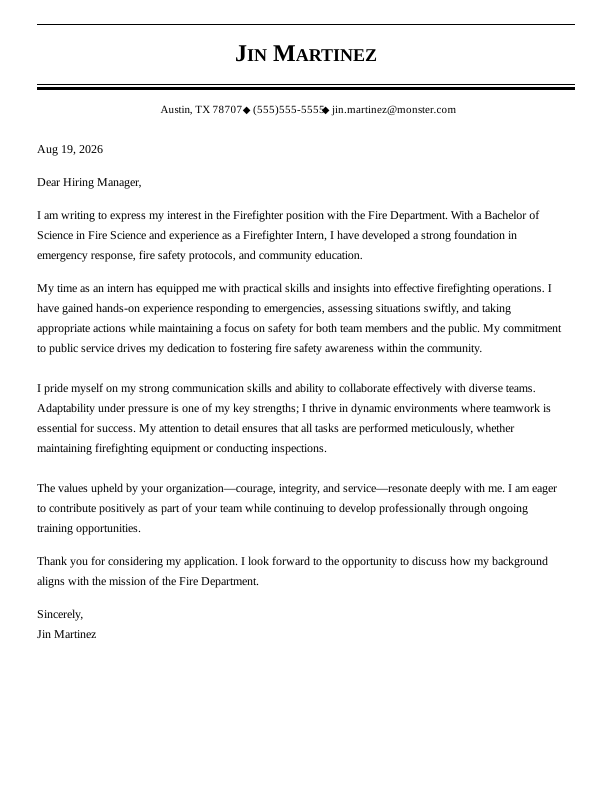
 Free
FreeFirefighter Entry-Level Cover Letter
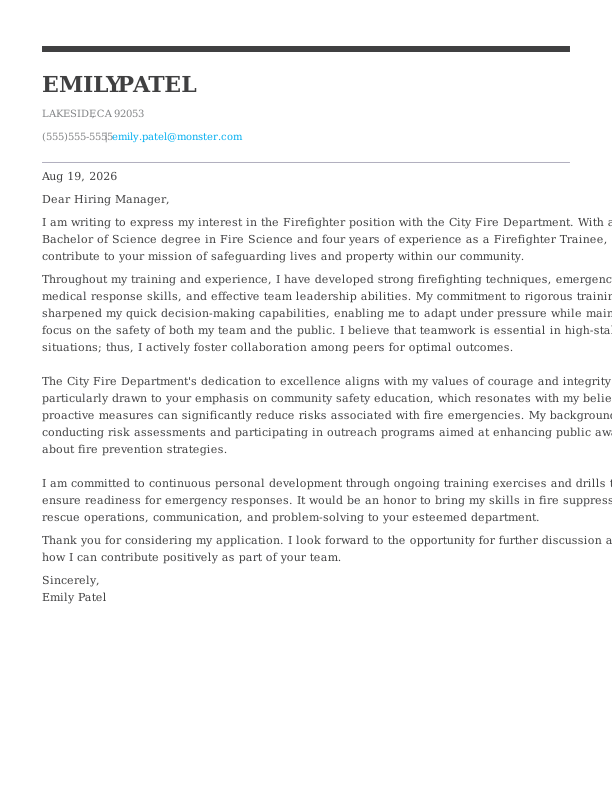
Firefighter Mid-Level Cover Letter
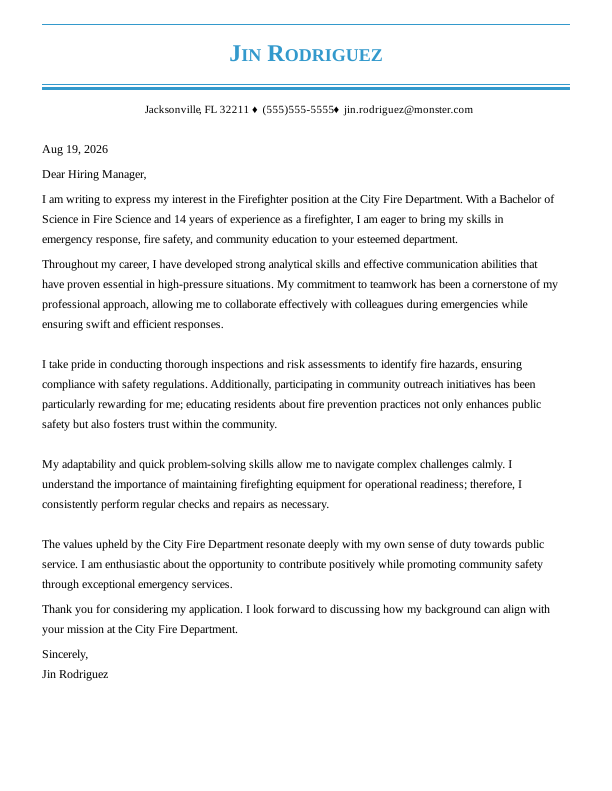
Firefighter Experienced Cover Letter
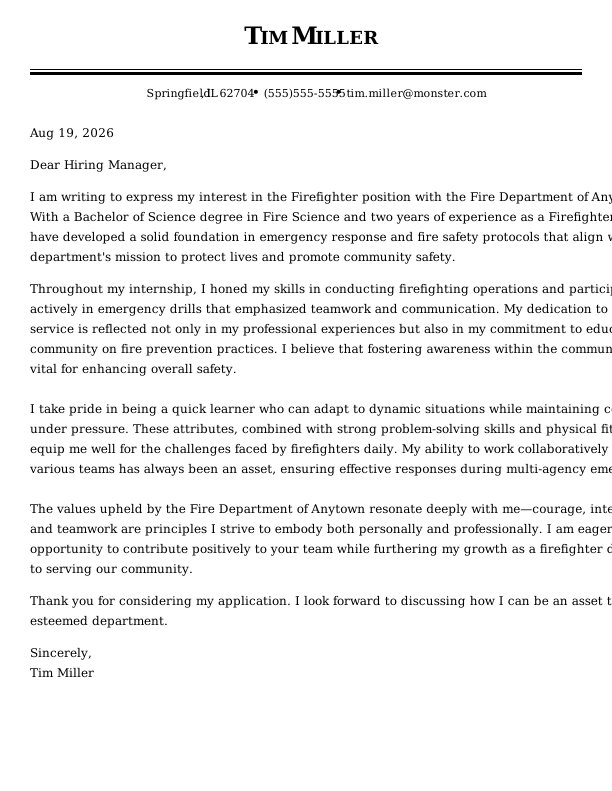
Firefighter Entry-Level Cover Letter
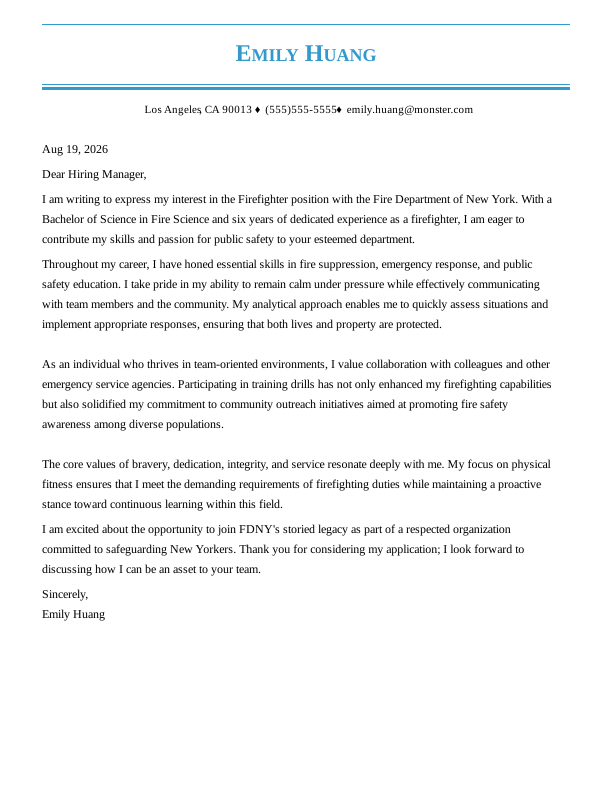
Firefighter Mid-Level Cover Letter
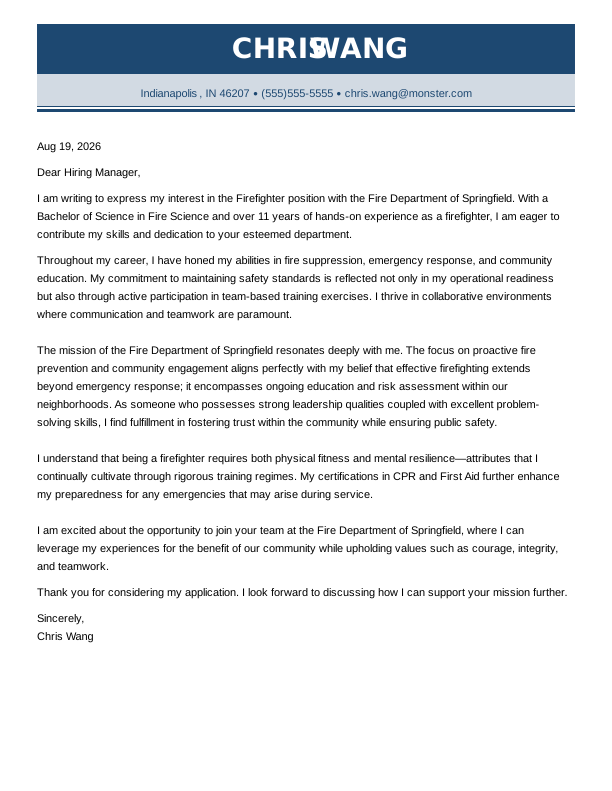
Firefighter Experienced Cover Letter
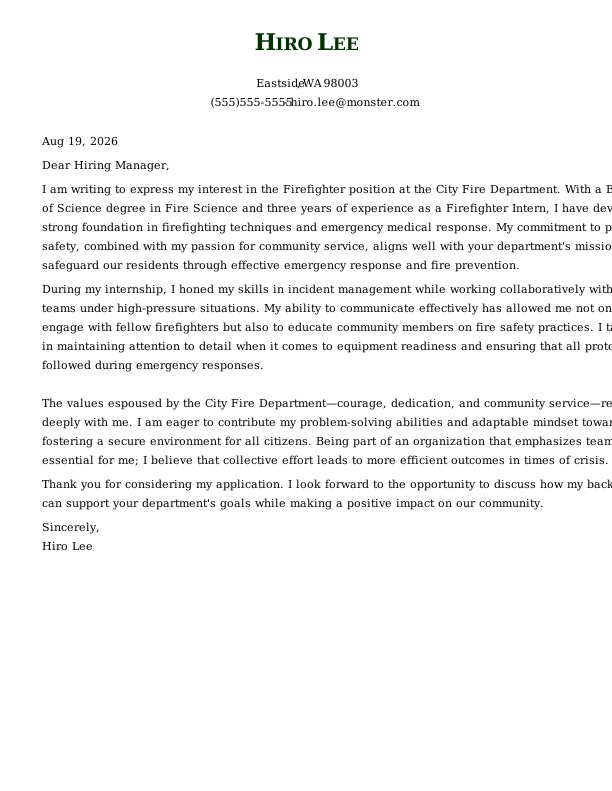
Firefighter Entry-Level Cover Letter
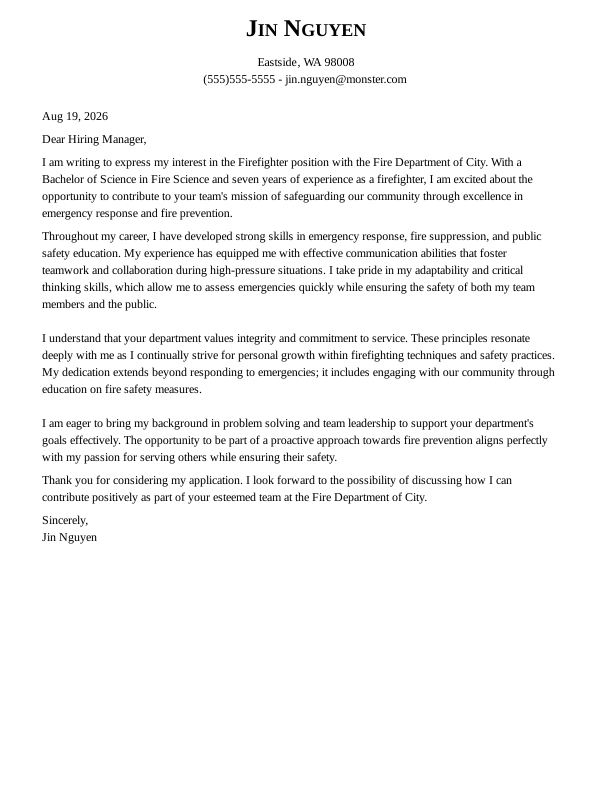
Firefighter Mid-Level Cover Letter
Browse Free Cover Letter Templates
- Account Manager
- Accounts Payable
- Administrative Assistant
- Admissions Counselor
- Artist
- Babysitter
- Barista
- Bartender
- Bookkeeper
- Brand Ambassador
- Business Analyst
- Caregiver
- Chef
- Civil Engineering
- Computer Science
- Custodian
- Customer Service
- Dental Assistant
- Electrical Engineering
- Emt
- Engineering
- Event Coordinator
- Executive Assistant
- Finance
- Financial Analyst
- Flight Attendant
- Graphic Designer
- Hair Stylist
- Healthcare
- Investment Banking
- It
- Janitor
- Journalism
- Lab Technician
- Law Clerk
- Lawyer
- Librarian
- Logistics
- Manager
- Marketing Manager
- Massage Therapist
- Mechanic
- Mechanical Engineer
- Medical Assistant
- Non Profit
- Nursing
- Office Manager
- Paralegal
- Personal Trainer
- Pharmacy Technician
- Photographer
- Physician Assistant
- Pilot
- Police Officer
- Project Manager
- Property Manager
- Receptionist
- Research Assistant
- Retail
- Sales
- Security Officer
- Social Work
- Software Engineer
- Teacher
- Teaching Assistant
- Truck Driver
- Vet Tech
- Veterinary Assistant
- Web Developer
- Welder
Cover Letter Examples for Firefighters
A firefighter cover letter changes with experience level, since each stage highlights different training, certifications, and field responsibilities. Use templates for entry-level, mid-career, and experienced applicants so your examples match what the role expects.
Entry-Level Firefighter Cover Letter
Perfect for recent graduates who want a cover letter with no experience and need clear guidance, this template also helps career changers transition into firefighter roles from other fields.
Mid-Career Firefighter Cover Letter
A good fit for experienced firefighter applicants, this template helps spotlight career growth and supports movement into specialized assignments or leadership roles while strengthening your case for advanced responsibilities.
Experienced Firefighter Cover Letter
Best for firefighters with 10+ years of experience, this template helps applicants pursue captain or battalion leadership roles while strengthening advanced emergency response and community safety leadership.
Firefighter Cover Letter Template (Text)
Use this adaptable text template for a firefighter cover letter. Copy, edit, and personalize it in your document or file to fit the role you want.
Chris Wang
Cleveland, OH 44105
(555)555-5555
chris.wang@monster.com
Aug 19, 2026
Dear Hiring Manager,
I am writing to express my interest in the firefighter position at the Fire Department of Springfield. With a bachelor’s degree in fire science and nine years of experience as a firefighter, I have developed a strong foundation in emergency response and fire safety education that aligns with your department’s mission to protect lives and property.
Throughout my career, I have honed my skills in effective communication and teamwork, essential attributes for fostering collaboration among colleagues during high-pressure situations. My ability to remain calm under pressure has allowed me to respond promptly and effectively to emergencies, ensuring the safety of both residents and fellow team members.
I take pride in my commitment to community service, actively engaging with residents through fire prevention education initiatives. This not only enhances public awareness but also strengthens the relationship between our department and the community we serve.
My previous role required strong problem-solving abilities while managing multiple tasks simultaneously. I believe that adaptability is crucial within this field; every situation can demand quick thinking and innovative solutions.
I am eager to bring my dedication, leadership experience, and passion for public safety to the Fire Department of Springfield. I look forward to contributing positively towards your mission of safeguarding our community through excellence in firefighting and emergency response services.
Thank you for considering my application.
Sincerely,
Chris Wang
How to Write a Firefighter Cover Letter
For a firefighter, knowing how to write a cover letter means showing fit through clear personalization, strong storytelling about real callouts or training, and specific experience that proves you can handle high-stakes situations.
Use the guidance below to highlight your qualifications and customize your letter for each role, tying your skills and achievements directly to the department’s needs.
1. Research & Prepare
Before you write your firefighter cover letter, research the department, station culture, and the kinds of calls they handle. Look into their training focus, equipment, and community risk areas so you can match your background to what they face day to day.
Review the job posting for certifications like EMT or Firefighter I and any preferred experience with drills or incident command. Check the department website, recent news, and council updates for more information, and scan LinkedIn profiles to better understand leadership roles and values.
Use these details to personalize your letter with specific call types and training you have completed.
2. Hook the Reader
Your cover letter opening sets the tone before you ever mention your experience. A strong first line grabs attention by showing who you are, what you know about the department, and why this role fits your skills and values.
Try openings like these:
- Reference a recent incident or training program by the fire department that inspired you, then connect it to your hands-on readiness.
- Mention a recommendation from a current firefighter or community partner who knows your work ethic.
- Start with a brief example of how you stayed calm under pressure while supporting an emergency response and coordinating with teammates.
3. Tell Your Professional Story
Your cover letter should go beyond simply repeating your resume. Use a short story with specific moments and measurable results so hiring managers can picture your impact. Mention what you did, what changed, and how you know it worked.
As a firefighter, quantify outcomes like reduced response times by 15%, lowered fire loss estimates by $50K per incident through preplans, or improved crew drill scores from 70% to 90%.
Share one clear example of leading an after-action review that tightened hose deployment or strengthened search procedures for the next call.
4. Showcase Your Skills
Match your experience to the department’s priorities, not just your certifications. Read the posting for what they need most, like rapid incident response, teamwork under pressure, or public safety education, then tie each requirement to a real moment from your career.
For example, if they ask for fast scene assessment and command, describe how you sized up structures, coordinated with engine and ladder crews, and maintained clear radio updates during an active fire.
If they mention community outreach or prevention, share a time you ran smoke alarm checks or delivered home safety guidance that helped residents understand escape plans and hazards.
5. Explain Any Special Circumstances
If you have an employment gap, changed roles, or relocated, address it early in your cover letter with a clear timeline and a positive takeaway. Share what you did during the time off or transition, and connect it to skills you bring to the job. Keep it honest but focused on growth rather than excuses.
For firefighting roles:
- If you were away from duty, mention training completed while away from duty, like EMT refreshers or fire academy coursework.
- If you moved, note how you familiarized yourself with local hazards such as wildland risks or industrial sites.
- If you switched departments or specialties, describe how that experience strengthened command communication and teamwork under pressure.
6. End With a Professional Goodbye
Close your cover letter by restating your interest in the firefighter position and your readiness to serve the community. Invite the hiring panel to discuss how your training and calm decision-making support safe operations, and thank them for their time and consideration.
You can add, “I welcome the opportunity to discuss how my EMT certification, incident command training, and teamwork prepare me to protect lives and property on every call.” Then, use sign-offs such as “Sincerely” or “Best regards.”
4 Tips for Formatting Your Cover Letter
Clear cover letter formatting creates a professional, easy-to-read document from the first line. Use consistent spacing and headings so hiring managers can scan quickly, regardless of industry or experience level. Keep sentences direct and active, and cut filler adverbs that add no specific meaning.

Keep It to One Page
Keep your writing concise and direct. Focus your letter across three to four structured paragraphs highlighting key firefighting competencies, EMS experience, and commitment to community service.

Use a Professional Font & Layout
Use standard professional fonts like Arial, Calibri, or Helvetica (10–12 pt) with 1-inch margins. Make sure critical credentials—such as EMT/Paramedic licenses, Firefighter I/II, and CPAT results—are easy to spot.

Address the Hiring Manager Directly
Direct your letter to the fire chief, battalion chief, or head of the department’s recruitment board by name. If a specific name isn’t listed, use professional titles like “Dear Fire Chief and Selection Board” or “Dear Fire Department Recruitment Team.”

Save & Send as a PDF
Preserve your document’s formatting across municipal application portals by exporting as a PDF. Title the file professionally with your name and primary credential—for example, “Alex_Rivera_EMT_Firefighter_Cover_Letter.pdf.”
Top-Paying States for Firefighter Roles
Knowing what firefighters earn across the country helps you evaluate job offers, negotiate fair compensation, and make better career decisions. The salary data below comes from the U.S. Bureau of Labor Statistics and reflects current nationwide averages for firefighters.
Keep in mind that location, years of service, certifications, and specialization can all influence your actual pay. Firefighters in busy urban departments or those with hazmat or technical rescue assignments often earn more than workers in smaller rural agencies, and EMT or paramedic credentials can also raise earning potential.
| Alabama | $49,640 |
| Alaska | $59,730 |
| Arizona | $60,660 |
| Arkansas | $43,870 |
| California | $98,200 |
| Connecticut | $72,090 |
| Delaware | $54,760 |
| District of Columbia | $80,320 |
| Florida | $63,610 |
| Georgia | $47,340 |
| Idaho | $56,370 |
| Illinois | $76,650 |
| Indiana | $61,850 |
| Iowa | $57,440 |
| Kansas | $48,410 |
| Kentucky | $40,960 |
| Louisiana | $37,270 |
| Maine | $49,210 |
| Maryland | $72,070 |
| Massachusetts | $73,130 |
| Michigan | $55,970 |
| Minnesota | $48,510 |
| Mississippi | $38,560 |
| Missouri | $53,180 |
| Montana | $62,840 |
| Nebraska | $58,960 |
| Nevada | $69,050 |
| New Hampshire | $55,800 |
| New Jersey | $87,710 |
| New Mexico | $44,110 |
| New York | $86,680 |
| North Carolina | $42,450 |
| North Dakota | $56,000 |
| Ohio | $59,170 |
| Oklahoma | $50,090 |
| Oregon | $71,930 |
| Pennsylvania | $67,930 |
| Rhode Island | $68,840 |
| South Carolina | $45,730 |
| South Dakota | $48,500 |
| Tennessee | $49,810 |
| Texas | $60,880 |
| Utah | $53,580 |
| Vermont | $47,140 |
| Virginia | $58,510 |
| Washington | $87,240 |
| West Virginia | $44,450 |
| Wisconsin | $51,840 |
| Wyoming | $54,970 |
| Puerto Rico | $37,660 |
Key Takeaways
- Tailor your application to the department and district. Highlight familiarity with the department’s service area, call volume, special operations, and community risk-reduction programs.
- Include clear metrics. Use numbers—like response times, call volume, CPAT scores, or hours of live-burn and EMS training—to show your impact.
- Keep the format clean and consistent with your resume. Use clear headings, matching dates, and easy-to-scan spacing so hiring managers can review quickly.
Browse Monster’s Resume Templates
Monster also has hundreds of ATS-friendly resume templates for all career levels and industries. Create a matching resume to help you land the interview.
Frequently Asked Questions
Last Update:
Do I really need a cover letter?
Yes, you should include a cover letter even when it’s optional for firefighter roles. It adds context your resume cannot, and it signals initiative and real interest in protecting your community.
A cover letter helps most when you’re making a career change, have employment gaps, or want to explain why you chose that specific department. It also lets you show character, commitment to training, and genuine enthusiasm for the work.
How long should my cover letter be?
A firefighter cover letter should fit on one page and be about 250–400 words. Hiring managers spend limited time on each application and need your key points fast.
Focus on quality over quantity by including only the most relevant experience and achievements. Structure your letter into no more than four short paragraphs and give each a clear purpose.
Should my cover letter match my resume?
Yes, your cover letter should match your resume’s formatting. Use the same fonts, colors, and header style so your application package looks cohesive and intentional.
Next, focus on content that complements your resume rather than repeats it. For a firefighter role, expand on relevant training and incident experience, explain why you want to serve in this department, and add context about safety decisions and teamwork that resume bullet points can’t fully show.
Can I use AI to write my cover letter?
Yes, AI tools like cover letter generators can help you draft quickly, find a clear structure, and break through writer’s block. They can also help you map your firefighter experience into a strong narrative. Still, you need to tailor every detail to the department and role you want.
Use AI as a starting point, then edit to add your real training, specific calls or drills you have supported, and your genuine interest in that station. Hiring managers often detect generic AI-written text, so keep your tone personal and direct.
How do I write a cover letter for an internal firefighter position?
To write a cover letter for an internal firefight position, emphasize your experience with the department, local hazards, and training you’ve completed. Highlight specific contributions from your current role, then explain how the new assignment supports your growth and strengthens readiness for the community. Submit your cover letter through the required internal process and follow all application steps.

Vicki Salemi is a nationally recognized career expert who helps professionals navigate the hiring landscape and find the right fit on Monster. With over 15 years of experience in corporate recruiting and HR, she offers expert guidance on job search strategies, interview preparation, and career development to help candidates land their next role.
See More From Vicki SalemiExplore Related Career Advice







How to Write a Cover Letter for Internal Positions or Promotions (Examples & Tips)

Updated:
Apr 23, 2026
|

19 min read


Cover Letter vs Resume: What’s the Difference & Do You Need Both?

Updated:
Apr 23, 2026
|
18 min read