

Free Journalism Cover Letter Templates & Examples
Boost your interview odds with professionally designed journalism cover letter templates. These free cover letter templates include writing tips and guidance that help you spotlight your reporting strengths, demonstrate relevant experience, and appeal directly to editors and hiring managers.
Real-World Cover Letters That Get Results
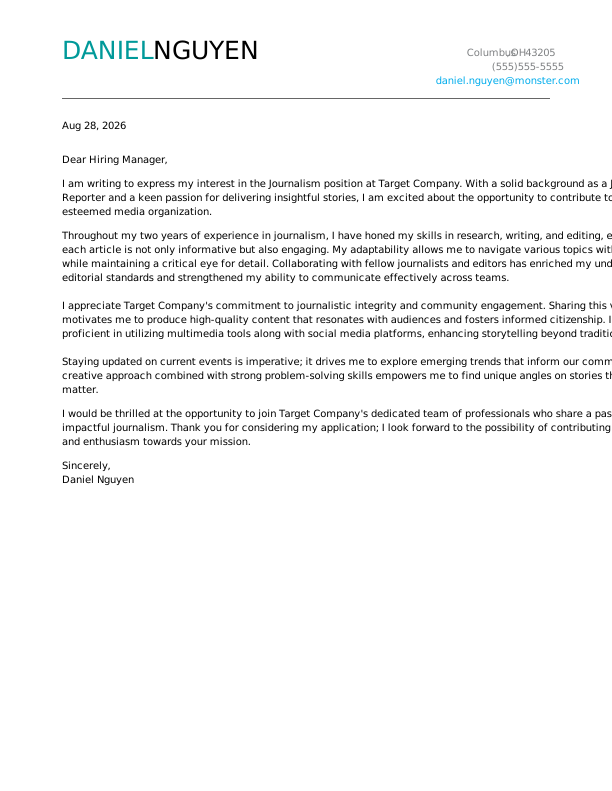
 Free
FreeJournalism Entry-Level Cover Letter
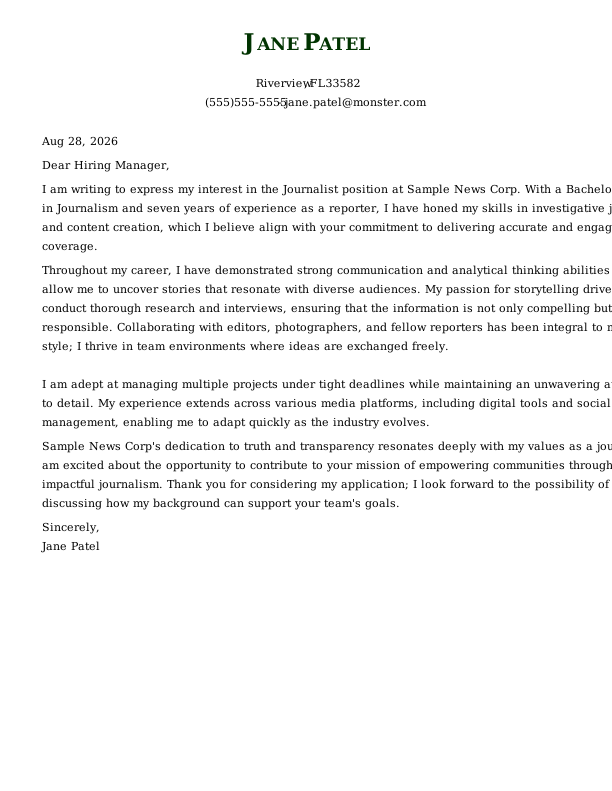
Journalism Mid-Level Cover Letter
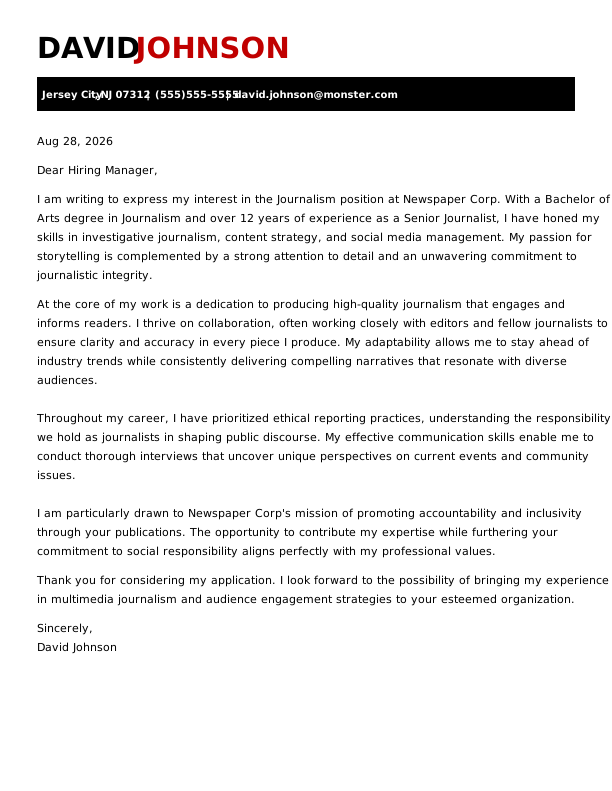
Journalism Experienced Cover Letter
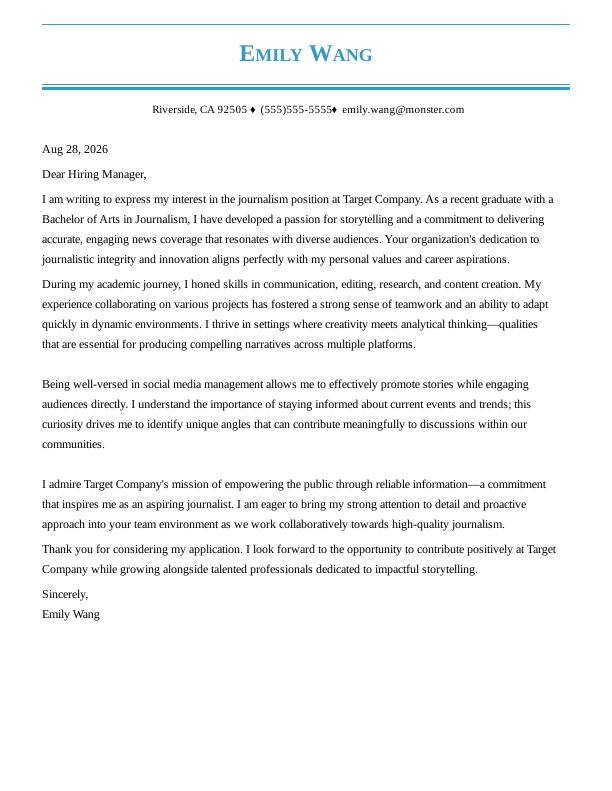
Journalism Entry-Level Cover Letter
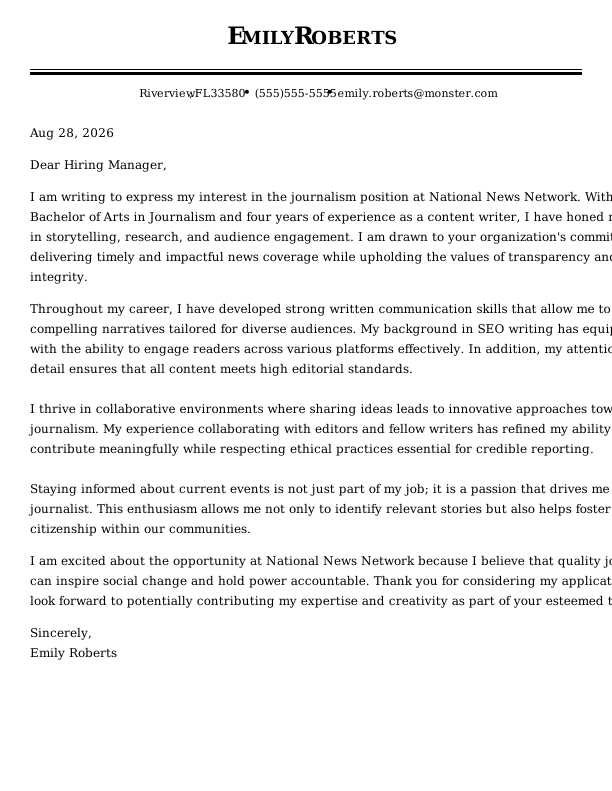
Journalism Mid-Level Cover Letter
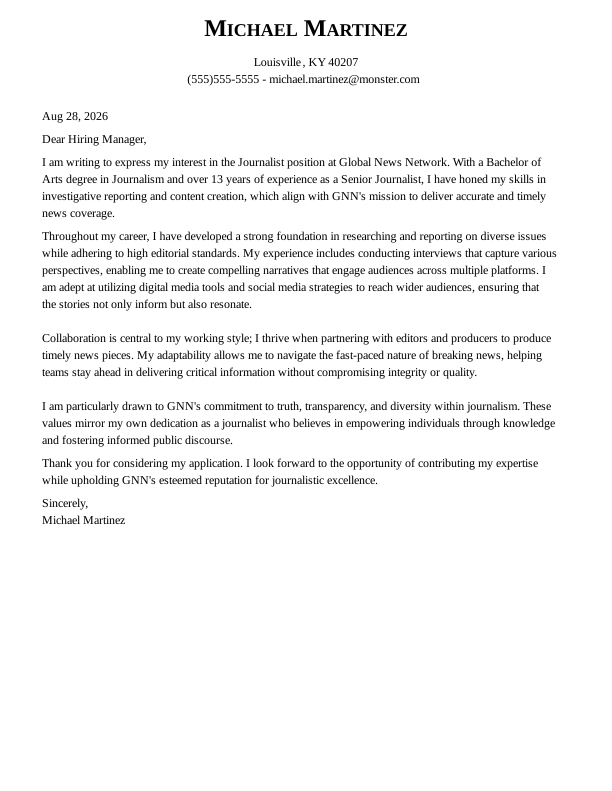
Journalism Experienced Cover Letter
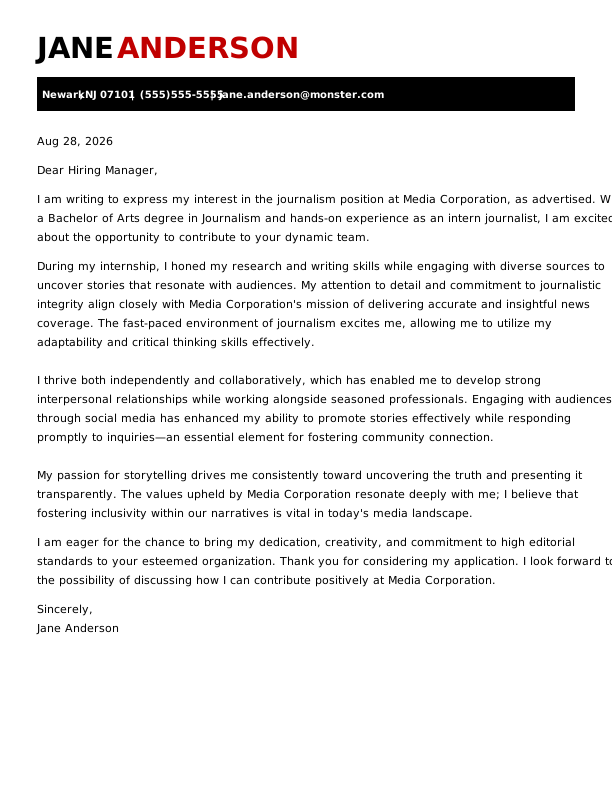
Journalism Entry-Level Cover Letter
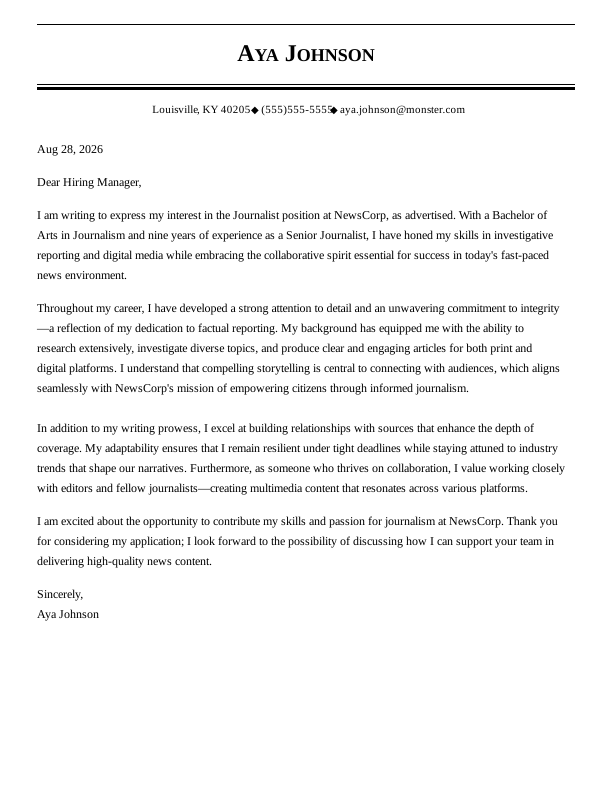
Journalism Mid-Level Cover Letter
Browse Free Cover Letter Templates
- Account Manager
- Accounts Payable
- Administrative Assistant
- Admissions Counselor
- Artist
- Babysitter
- Barista
- Bartender
- Bookkeeper
- Brand Ambassador
- Business Analyst
- Caregiver
- Chef
- Civil Engineering
- Computer Science
- Custodian
- Customer Service
- Dental Assistant
- Electrical Engineering
- Emt
- Engineering
- Event Coordinator
- Executive Assistant
- Finance
- Financial Analyst
- Firefighter
- Flight Attendant
- Graphic Designer
- Hair Stylist
- Healthcare
- Investment Banking
- It
- Janitor
- Lab Technician
- Law Clerk
- Lawyer
- Librarian
- Logistics
- Manager
- Marketing Manager
- Massage Therapist
- Mechanic
- Mechanical Engineer
- Medical Assistant
- Non Profit
- Nursing
- Office Manager
- Paralegal
- Personal Trainer
- Pharmacy Technician
- Photographer
- Physician Assistant
- Pilot
- Police Officer
- Project Manager
- Property Manager
- Receptionist
- Research Assistant
- Retail
- Sales
- Security Officer
- Social Work
- Software Engineer
- Teacher
- Teaching Assistant
- Truck Driver
- Vet Tech
- Veterinary Assistant
- Web Developer
- Welder
Cover Letter Examples for Journalism Roles
A cover letter for a journalism role should reflect your career stage, so focus your writing on the specific experience you offer at each level. Use entry-level templates to highlight your basic reporting skills and student media work, mid-career examples to show your beat coverage and audience reach, and experienced templates to emphasize editorial leadership and major investigative projects.
Entry-Level Journalism Cover Letter
Perfect for recent graduates starting a cover letter with no experience, this template also supports career changers moving into journalism from another field.
Mid-Career Journalism Cover Letter
A good fit for mid-level journalism professionals with reporting experience, this template spotlights career growth and helps position you for beat specialization, editorial responsibility, or other advancement.
Experienced Journalism Cover Letter
A perfect fit for journalism professionals with 10+ years of experience, this template helps senior reporters and editors pursue leadership and advanced roles while strengthening their voice, credibility, and impact.
Journalism Cover Letter Template (Text)
Use this adaptable text template for a journalism cover letter to copy, paste, and customize in your document.
John Doe
Seattle, WA 98101
(555)555-5555
john.doe@monster.com
Aug 28, 2026
Dear Hiring Manager,
I am writing to express my interest in the journalism position at The Daily Times. With a Bachelor of Arts in Journalism and eight years of experience as a reporter, I am excited about the opportunity to contribute to your esteemed organization, known for its commitment to integrity and high-quality storytelling.
Throughout my career, I have honed my skills in investigative journalism, storytelling, and editing. My passion for uncovering the truth drives me to conduct thorough research and engage with diverse sources during interviews. I pride myself on delivering accurate and timely reporting that resonates with audiences across various media formats.
Collaboration has always been a central aspect of my working style. I thrive when working alongside editorial teams and multimedia professionals, as this interaction enhances our collective ability to inform communities effectively. My attention to detail ensures that all published content adheres strictly to ethical standards while maintaining clarity in communication.
At The Daily Times, I admire your dedication to fostering an informed citizenry through transparent reporting. This aligns perfectly with my values of integrity and community engagement—qualities that I believe are crucial in today’s fast-paced news environment.
I am eager for the chance to bring my creativity and strong communication skills into your newsroom while contributing positively toward achieving The Daily Times’ mission. Thank you for considering my application; I look forward to discussing how we can work together towards empowering our audience through compelling journalism.
Sincerely,
John Doe
How to Write a Journalism Cover Letter
For a journalism role, writing a strong cover letter means showing your reporting voice through personalized clips, well-sourced stories, and a clear understanding of the publication’s audience. Connect your past beat coverage, investigative wins, and interviewing skills directly to the newsroom’s focus. Follow the steps below to highlight your best work and tailor your letter to match the specific outlet, beat requirements, and publication goals.
1. Research & Prepare
Before you write your cover letter, research the publication, its primary coverage beats, and the managing editor or news director running the desk. Journalism roles vary across breaking news, investigative reporting, digital features, and broadcast, so matching your experience to the publication’s daily editorial output shows an immediate fit.
Review the job posting for key skills like investigative sourcing, FOIA requests, audio or video editing, and AP Style fluency. Check the website to see its recent coverage priorities or major series, and scan LinkedIn profiles to learn who leads the newsroom. Use what you find to tailor your cover letter and highlight relevant work like breaking stories on deadline, conducting enterprise interviews, or managing audience engagement.
2. Hook the Reader
Your cover letter opening sets the tone for what follows and gives editors a reason to keep reading. It works best when you show a sharp reporting voice and a clear understanding of the publication’s audience, rather than just stating generic interest in the role.
Try referencing a recent series or investigation it published and explain how you would expand on that beat. You could also open by highlighting a major reporting win, such as breaking a local story or landing an exclusive interview after tracking leads across public records, or by mentioning a referral from a senior editor or producer.
3. Tell Your Professional Story
Your cover letter should do more than just repeat your resume. Use the main paragraphs to share a concise example with clear metrics and real reporting wins that show how you pitch, verify, and write under tight newsroom deadlines.
Highlight specific results, such as boosting newsletter engagement by 25% after a redesign, cutting breaking news turnaround times from 48 hours to 24 hours, or driving digital subscriptions through in-depth investigative coverage. Explain how you cultivated reliable sources, used FOIA requests to uncover public data, and collaborated with copy editors and multimedia producers to publish accurate stories fast.
4. Showcase Your Skills
Match your reporting skills to the exact requirements in the job posting so editors see a clear fit. Connecting your specific technical and newsroom abilities to what the publication needs shows how you manage sourcing, editorial accuracy, and daily publication pace under tight deadline pressure.
For example, if the role focuses on breaking news or investigative reporting, describe how you cultivated sources, analyzed public documents, and submitted clean copy under tight turnaround times. If it calls for digital audience growth, share an example of how you optimized headlines for search, monitored traffic using tools like Google Analytics, and managed content in a CMS without compromising AP Style or ethical standards.
5. Explain Any Special Circumstances
If you have an employment gap, a career shift, or a recent relocation, address it early and briefly. State the reason directly, then pivot to what you gained during that time, such as freelancing experience, specialized research skills, or a deeper understanding of a new community. Keep the tone positive and connect your growth directly to the reporting needs of the newsroom.
For a journalist, you can mention taking time off to pursue independent investigative projects or complete training in data journalism. If you transitioned to a new beat, explain how covering diverse issues expanded your source network and sharpened your adaptability under tight filing schedules. If relocation brought you to a new market, highlight the local coverage you have already started and how your fresh perspective helps you pitch relevant stories immediately.
6. End With a Professional Goodbye
Close your cover letter by restating your interest in the journalism position, thanking the editor for their time, and inviting them to discuss how your experience fits the newsroom’s needs. Highlight specific strengths you offer, such as beat coverage, investigative sourcing, precise fact-checking, or sharp digital headline writing.
Wrap up with a strong final statement, such as: “I welcome the opportunity to discuss how my reporting, fact-checking, and story development can strengthen your newsroom.” Then, end with a professional sign-off like “Sincerely” or “Best regards.”
4 Tips for Formatting Your Cover Letter
Clear cover letter formatting helps your message look professional and read easily. Use consistent spacing, short paragraphs, and simple headings so editors and hiring managers can scan quickly. These tips apply whether you are entering journalism for the first time or moving to a new newsroom mid-career.

Keep It to One Page
Editors handle tight production schedules, so keep your cover letter concise and to one page. Target 250 to 400 words or three to four focused paragraphs that spotlight your strongest reporting experience, core beats, and writing capabilities.

Use a Professional Font & Layout
Choose a clean, professional font such as Arial, Calibri, Times New Roman, or Georgia in a 10 to 12-point size. Set standard one-inch margins and keep the layout consistent with your resume so editors can review your application package easily.

Address the Hiring Manager Directly
When writing a cover letter for a journalism role, try to find the managing editor, section editor, or news director’s name by checking the masthead, job posting, or LinkedIn. If you cannot locate a name after checking these sources or reaching out to the newsroom desk, use “Dear Hiring Manager” or “To the Editorial Team,” and skip “To Whom It May Concern,” which feels outdated.

Save & Send as a PDF
Save your cover letter as a PDF to preserve formatting across devices and application management systems. Name the file clearly using your full name and the words cover letter, such as “Jordan_Lee_cover_letter.pdf.”
Key Takeaways
- Tailor each letter to the specific outlet and beat. Mention relevant reporting, sources, or story angles that match the publication’s audience and editorial priorities.
- Lead with a strong hook and quantify results when you can. Include metrics like clicks, readership growth, interview turnaround time, or awards to show real impact.
- Keep formatting clean and consistent with your resume. Use the same headings and spacing so editors can scan quickly for clips, specialties, and deadlines.
Browse Monster’s Resume Templates
Monster also has hundreds of ATS-friendly resume templates for all career levels and industries. Create a matching resume to help you land the interview.
Frequently Asked Questions
Last Update:
Do I really need a cover letter?
Yes, you should include a cover letter even when it’s optional. It gives hiring editors context that your journalism resume cannot, and it signals initiative and real interest in the stories you want to contribute.
A cover letter matters most when you’re pivoting from one beat to another, have a gap in work, or want to explain why this outlet fits your reporting goals. It also lets you show your voice, enthusiasm for the craft, and how you communicate under deadlines.
How long should my cover letter be?
Journalism cover letters should stay one page maximum, and typically run 250–400 words. Hiring managers spend limited time on each application and look for quick, clear fit.
Focus on quality over quantity by including only the most relevant reporting clips, beats, or achievements. Structure your letter in three to four concise paragraphs so each section has a clear purpose.
Should my cover letter match my resume?
Yes, your cover letter should match your resume’s visual design. Use the same fonts, colors, and header style so your application package looks cohesive and intentional.
However, let the content complement rather than repeat your journalism resume. Expand on reporting experience, explain why you want this beat or outlet, and add context about stories, sources, edits, or pitching that bullet points cannot fully show.
Can I use AI to write my cover letter?
AI tools like a cover letter generator can help you draft quickly, organize key points, and push past writer’s block. Still, your story matters most, so you need personalization to match the role and publication.
Use AI as a starting point, then edit heavily to add reporting experience, specific beats you have covered, and real enthusiasm for that newsroom. Hiring managers often spot generic AI-generated content, so make sure the final version sounds like you.
What should I include in my cover letter header?
Your cover letter header should list your full name, phone number, professional email, and city/state. Add the date and the recipient’s information below your contact details. Match this header style to your resume so editors can scan your application quickly and consistently.

Vicki Salemi is a nationally recognized career expert who helps professionals navigate the hiring landscape and find the right fit on Monster. With over 15 years of experience in corporate recruiting and HR, she offers expert guidance on job search strategies, interview preparation, and career development to help candidates land their next role.
See More From Vicki SalemiExplore Related Career Advice





How to Write a Cover Letter for Internal Positions or Promotions (Examples & Tips)

Updated:
Apr 23, 2026
|

19 min read


Cover Letter vs Resume: What’s the Difference & Do You Need Both?

Updated:
Apr 23, 2026
|
18 min read