

Free Lawyer Cover Letter Templates & Examples
Boost your interview chances with our professionally designed lawyer cover letter templates. Tailored for legal professionals, these free templates feature strategic phrasing and tips to help you showcase your practice expertise, key achievements, and analytical strengths directly to law firm partners and recruiters.
Real-World Cover Letters That Get Results
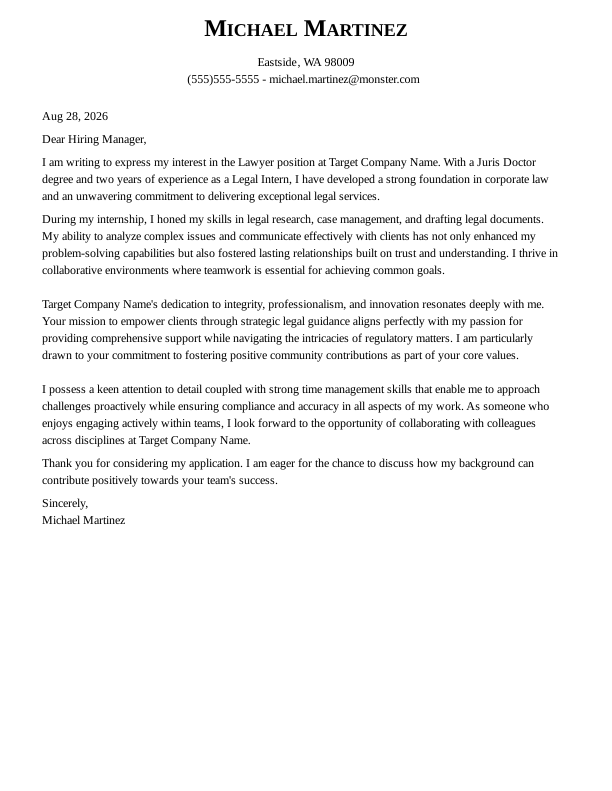
 Free
FreeLawyer Entry-Level Cover Letter
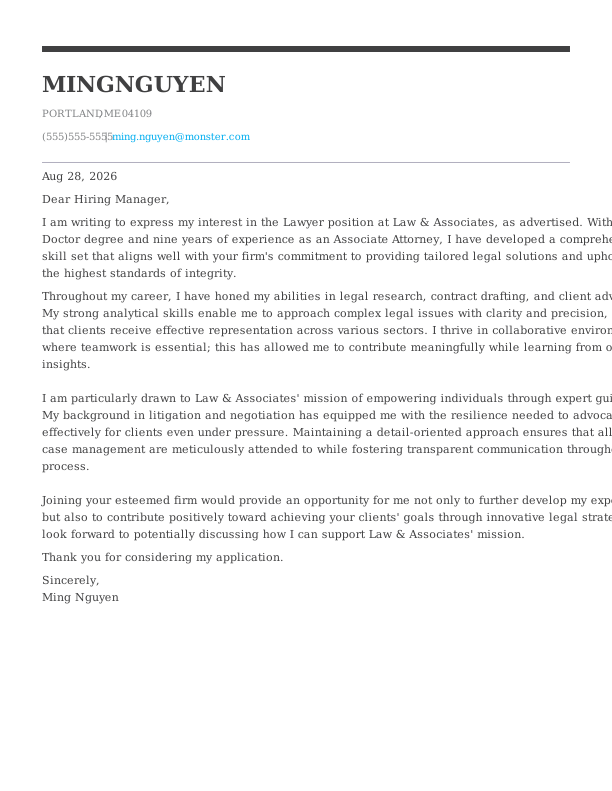
Lawyer Mid-Level Cover Letter
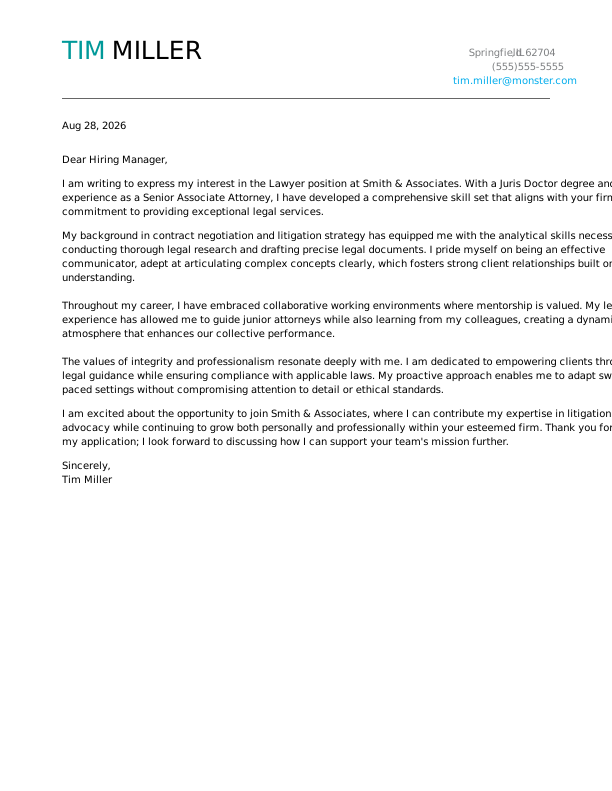
Lawyer Experienced Cover Letter
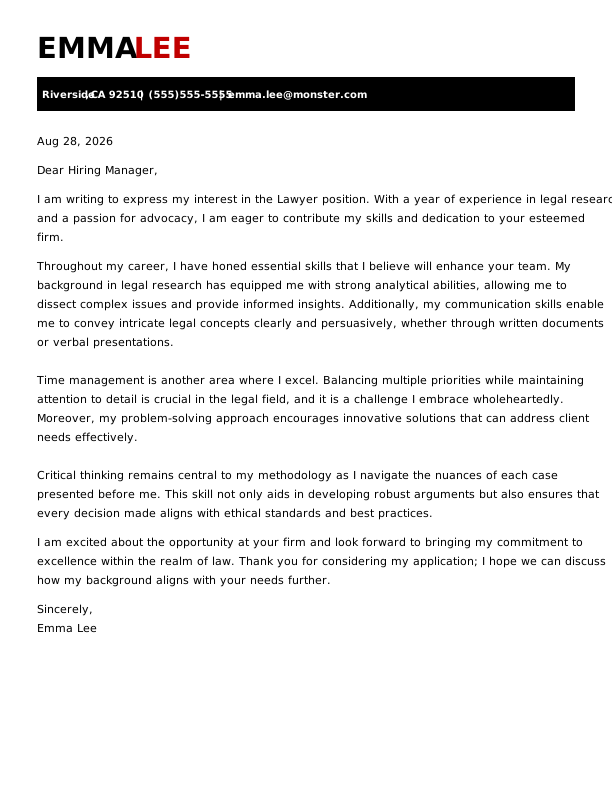
Lawyer Entry-Level Cover Letter
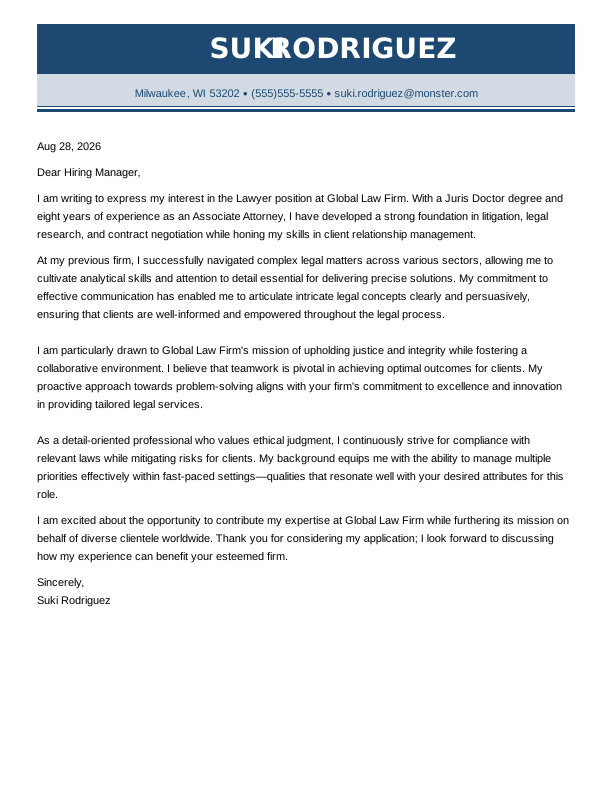
Lawyer Mid-Level Cover Letter
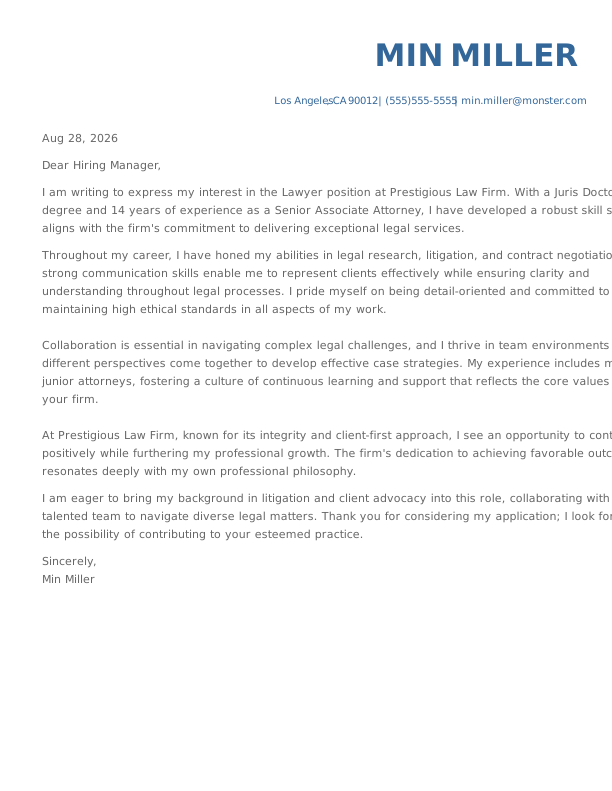
Lawyer Experienced Cover Letter
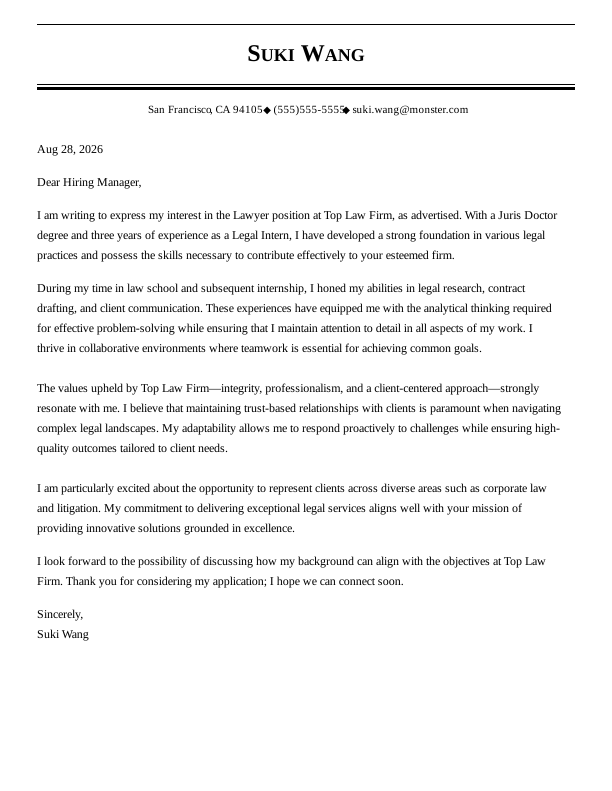
Lawyer Entry-Level Cover Letter
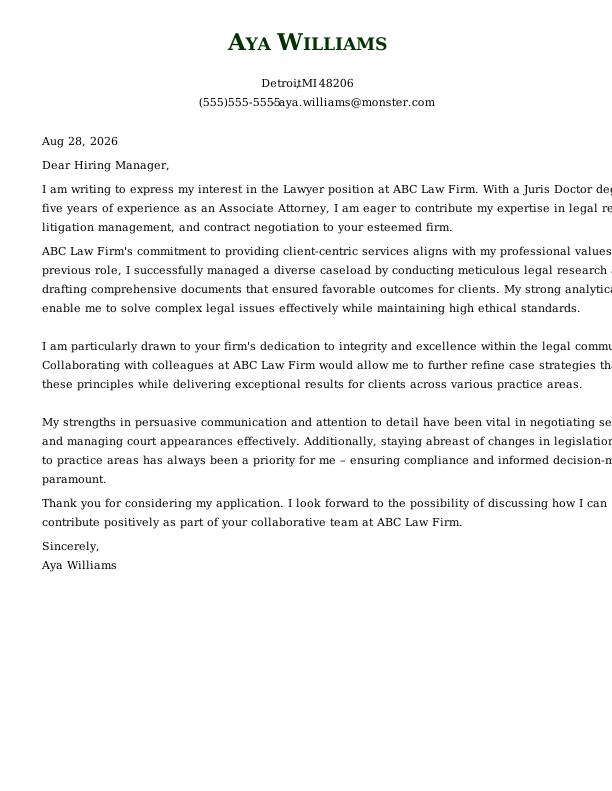
Lawyer Mid-Level Cover Letter
Browse Free Cover Letter Templates
- Account Manager
- Accounts Payable
- Administrative Assistant
- Admissions Counselor
- Artist
- Babysitter
- Barista
- Bartender
- Bookkeeper
- Brand Ambassador
- Business Analyst
- Caregiver
- Chef
- Civil Engineering
- Computer Science
- Custodian
- Customer Service
- Dental Assistant
- Electrical Engineering
- Emt
- Engineering
- Event Coordinator
- Executive Assistant
- Finance
- Financial Analyst
- Firefighter
- Flight Attendant
- Graphic Designer
- Hair Stylist
- Healthcare
- Investment Banking
- It
- Janitor
- Journalism
- Lab Technician
- Law Clerk
- Librarian
- Logistics
- Manager
- Marketing Manager
- Massage Therapist
- Mechanic
- Mechanical Engineer
- Medical Assistant
- Non Profit
- Nursing
- Office Manager
- Paralegal
- Personal Trainer
- Pharmacy Technician
- Photographer
- Physician Assistant
- Pilot
- Police Officer
- Project Manager
- Property Manager
- Receptionist
- Research Assistant
- Retail
- Sales
- Security Officer
- Social Work
- Software Engineer
- Teacher
- Teaching Assistant
- Truck Driver
- Vet Tech
- Veterinary Assistant
- Web Developer
- Welder
Cover Letter Examples for Lawyers
A lawyer cover letter changes by experience level, from entry-level roles to mid-career and experienced positions. Use the right template for each stage so your writing highlights relevant matters, outcomes, and skills.
Entry-Level Lawyer Cover Letter
Ideal for recent graduates who want a cover letter with no experience, this template also supports career changers moving into the lawyer field from another background.
Mid-Career Lawyer Cover Letter
A good fit for mid-level lawyers with several years of practice, this template spotlights career growth and helps position you for advancement into specialized work or leadership roles.
Experienced Lawyer Cover Letter
Best for lawyers with 10+ years of experience, this template helps senior associates and partners pursue leadership roles, advanced practice, or firmwide counsel positions.
Lawyer Cover Letter Template (Text)
Use this editable text version of a lawyer cover letter template to copy, paste, and customize in your document.
Hiro Smith
Brookfield, WI 53015
(555)555-5555
hiro.smith@monster.com
Aug 28, 2026
Dear Hiring Manager,
I am writing to express my interest in the lawyer position at ABC Law Firm. With a Juris Doctor degree and six years of experience as an associate attorney, I have developed a strong foundation in legal research, litigation, negotiation, and client relations. I am particularly drawn to your firm’s dedication to integrity and professionalism.
Throughout my career, I have consistently demonstrated attention to detail and strong communication skills while providing comprehensive legal advice and representation. My ability to manage time effectively allows me to navigate complex cases efficiently. I am adept at drafting, reviewing, and negotiating contracts with precision.
My analytical thinking has been instrumental in conducting thorough legal research that informs strategic case approaches. Moreover, my problem-solving capabilities enable me to deliver innovative solutions tailored to each client’s needs while ensuring regulatory compliance.
At ABC Law Firm’s collaborative environment, I look forward to contributing as part of a team that values ethical judgment and client advocacy. My commitment aligns with your mission of fostering trust and transparency in all client interactions.
Thank you for considering my application. I am eager for the opportunity to bring my skills in legal representation and dispute resolution processes at ABC Law Firm.
Sincerely,
Hiro Smith
How to Write a Lawyer Cover Letter
For a lawyer position, understanding how to write a cover letter means showing clear fit through tailored details, persuasive storytelling from your casework or legal experience, and proof of relevant skills backed by measurable achievements. Use the guidance below to highlight your qualifications and customize your letter for each target role, referencing the specific practice area, employer needs, and outcomes you’ve delivered.
1. Research & Prepare
Before you draft your cover letter as a lawyer, research the firm and the practice area so your pitch matches what they handle every day. Look into their client types, litigation or transactional focus, and recent matters to align your experience with their needs. If you know who will review your application, you can speak to their priorities and approach.
Review the job posting closely for bar requirements, case or deal experience, and writing expectations. Visit the company website for practice details, read recent news or press releases, and check LinkedIn profiles of partners or hiring managers. Use what you find to personalize specific references in your letter.
2. Hook the Reader
Your cover letter opening sets the tone and earns the reader’s attention fast. A strong start names a specific reason you fit, shows you understand the firm’s work, and hints at how you think and communicate.
For a lawyer, try opening with a brief win like drafting a motion that secured dismissal or negotiating a settlement under tight timelines. Or tailor it to the firm by referencing a recent case, practice group focus, or client type it serves. You can also lead with context from your background, such as clerkship experience or a bar admission milestone tied to the role.
3. Tell Your Professional Story
In your cover letter, go beyond repeating your resume. Tell a short story with specific moments and measurable results so hiring managers can picture how you work. Use direct examples where you drove outcomes, not just tasks.
For a lawyer, quantify wins like negotiating settlements that saved clients $50,000 to $200,000, reducing case timelines by 20% through early motions or discovery planning, or improving win rates from 60% to 75% in similar matters. Mention the evidence you built and the strategy you used to reach those numbers.
4. Showcase Your Skills
Don’t just list legal skills. Match them to the job posting by showing how you’ve handled similar issues, argued key points, and protected client interests in real cases. Employers want proof that your experience fits their specific risks, deadlines, and courtroom or negotiation needs.
For example, if the role cites motion practice or discovery, describe a time you organized evidence, drafted persuasive filings, and responded to complex requests without missing critical dates. If it calls for contract review, share how you flagged liability gaps, revised terms with business stakeholders, and reduced exposure while keeping deals moving.
5. Explain Any Special Circumstances
If you have employment gaps, changed practice areas, or relocated, address them early and briefly. Share the reason in plain language, then pivot to what you gained during that time, such as new skills, client work experience, or training. Keep it honest while framing the move as a step toward stronger fit for the role.
For example, if you paused work for caregiving, note how it sharpened your attention to deadlines and clear communication with families and clients. If you shifted from corporate to litigation, explain how research and deposition prep built courtroom-ready writing habits. If you moved states, mention local court rule familiarity from continuing legal education and targeted case review.
6. End With a Professional Goodbye
Close your cover letter by reaffirming your interest in the lawyer position and inviting next steps. In two to three sentences, thank the reader for their time, and ask to discuss how your legal research, writing, and case support can help their team.
End with a tailored call to action like, “I welcome the opportunity to discuss how my experience with brief writing and client advocacy can support your practice.” Use professional sign-offs such as “Sincerely” or “Best regards.”
4 Tips for Formatting Your Cover Letter
Use clear formatting in your cover letter so a hiring manager can read it quickly. Proper spacing, readable fonts, and simple section structure help your message look professional and stay easy to scan. These tips apply whether you have years of experience or you’re just starting out.

Keep It to One Page
Hiring managers have limited time to review applications, so keep your lawyer cover letter to one page. Aim for 250–400 words or three to four focused paragraphs that highlight your most relevant legal experience, practice areas, and achievements without adding unnecessary detail.

Use a Professional Font & Layout
Choose a professional font such as Arial, Calibri, Times New Roman, or Georgia in 10-12 pt for your cover letter. Use standard one-inch margins and keep your formatting consistent with your lawyer resume, including fonts, headings, and spacing, so your application looks polished and cohesive.

Address the Hiring Manager Directly
When possible, address your cover letter to the hiring manager, recruiting contact, or attorney responsible for hiring. Check the job posting, law firm’s website, and LinkedIn to find the right name. If you cannot find a specific contact, use “Dear Hiring Manager” or “To the Hiring Team.” Avoid “To Whom It May Concern,” which can feel outdated.

Save & Send as a PDF
Save your cover letter as a PDF to preserve the formatting across devices and systems. Use a professional file name that includes your name and the words “cover letter,” such as “Jane_Smith_cover_letter.pdf.”
Top-Paying States for Lawyer Roles
Understanding lawyer salary trends across the country helps you compare job offers, negotiate compensation, and make clearer career decisions. The data below comes from the U.S. Bureau of Labor Statistics (BLS) and reflects current national averages for lawyers.
Keep in mind that your actual earnings can vary based on location, years of experience, bar admissions or certifications, and practice specialization. Lawyers working at large law firms or in major legal markets often earn more than those in small practices, and specialized work like corporate litigation, intellectual property, or securities law typically commands higher pay.
| Alabama | $139,470 |
| Alaska | $140,520 |
| Arizona | $161,480 |
| Arkansas | $134,860 |
| California | $254,170 |
| Connecticut | $188,990 |
| Delaware | $196,880 |
| District of Columbia | $236,700 |
| Florida | $152,360 |
| Georgia | $185,830 |
| Hawaii | $121,900 |
| Idaho | $127,340 |
| Illinois | $177,740 |
| Indiana | $158,270 |
| Iowa | $124,130 |
| Kansas | $129,530 |
| Kentucky | $116,020 |
| Louisiana | $128,020 |
| Maine | $122,810 |
| Maryland | $155,930 |
| Massachusetts | $218,340 |
| Michigan | $148,340 |
| Minnesota | $157,360 |
| Mississippi | $112,690 |
| Missouri | $158,200 |
| Montana | $109,190 |
| Nebraska | $127,010 |
| New Hampshire | $170,110 |
| New Jersey | $186,430 |
| New Mexico | $135,860 |
| New York | $208,080 |
| North Carolina | $159,830 |
| North Dakota | $122,430 |
| Ohio | $142,860 |
| Oklahoma | $120,220 |
| Oregon | $152,580 |
| Pennsylvania | $155,050 |
| Rhode Island | $146,240 |
| South Carolina | $132,500 |
| South Dakota | $129,500 |
| Tennessee | $155,290 |
| Texas | $162,840 |
| Utah | $151,220 |
| Vermont | $161,990 |
| Virginia | $173,200 |
| Washington | $170,650 |
| West Virginia | $117,770 |
| Wisconsin | $155,270 |
| Wyoming | $133,570 |
| Guam | $125,240 |
| Virgin Islands | $117,450 |
Key Takeaways
- Personalize each letter for the specific firm and role. Reference relevant practice areas, recent cases, or client work so it’s clear you understand the employer’s priorities.
- Lead with a strong hook and quantify results where possible. Mention outcomes like motion wins, settlements reached, hours saved, or case timelines improved.
- Keep formatting clean and consistent with your resume. Use the same headings and spacing so your contact details and experience are easy to scan fast.
Browse Monster’s Resume Templates
Monster also has hundreds of ATS-friendly resume templates for all career levels and industries. Create a matching resume to help you land the interview.
Frequently Asked Questions
Last Update:
Do I really need a cover letter?
Yes, you should include a cover letter even when it’s marked optional. It adds context your resume cannot capture and signals initiative and genuine interest in the position.
This matters most if you’re pivoting practice areas, have an employment gap, or want to explain why this firm fits your goals. A cover letter also lets you show personality, strong communication, and enthusiasm for the work.
How long should my cover letter be?
Cover letters should stay one page maximum and run 250–400 words. Hiring managers review many applications and spend limited time on each submission.
Focus on quality over quantity by including only the most relevant details from your experience. Structure your letter into three to four concise paragraphs that each serve a clear purpose.
Should my cover letter match my resume?
Yes, your cover letter should match your resume’s visual design. Use the same fonts, colors, and header style to create a cohesive application package.
Then focus on content that complements your lawyer resume instead of repeating it. Expand on key case work, legal research, client communication, or courtroom experience, and add context about what you want to do next and why this role fits.
How do I address my cover letter if I don’t know the hiring manager’s name?
Try to find the right contact before you write your salutation. Check LinkedIn, the firm’s website, or call the office and ask who handles attorney hiring. If you still cannot get a name, address the letter to the relevant practice group or recruiting team.
Use a safe option like “Dear Hiring Manager” or “Dear Litigation Team.” Avoid “To Whom It May Concern” and skip overly casual greetings such as “Hi” or “Hello,” which can undercut a professional tone.
Should I mention salary expectations in my cover letter?
Only include salary expectations if the job posting specifically asks for them. If it does, share a researched range and note that you’re flexible based on role scope, experience, and benefits.

Kirsten Chorpenning is a career advice writer who empowers job seekers to take control of their career paths using Monster’s comprehensive job search and resume tools. She specializes in helping job seekers find rewarding jobs in today’s dynamic work environment.
See More From Kirsten ChorpenningExplore Related Career Advice







How to Write a Cover Letter for Internal Positions or Promotions (Examples & Tips)
Updated:
Apr 23, 2026
|

19 min read


Cover Letter vs Resume: What’s the Difference & Do You Need Both?

Updated:
Apr 23, 2026
|
18 min read