

Free Bartender Cover Letter Templates & Examples
Boost your interview chances with our professionally designed bartender cover letter templates. With these free templates, you will find targeted writing tips on how to showcase your mixology knowledge, highlight your efficiency during high-volume shifts, and demonstrate the customer rapport that catches the attention of bar managers.
Real-World Cover Letters That Get Results
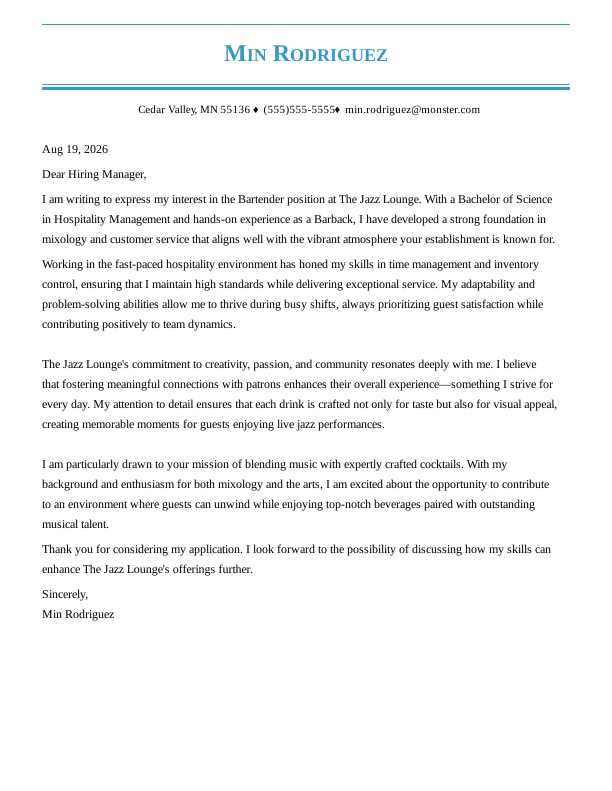
 Free
FreeBartender Entry-Level Cover Letter
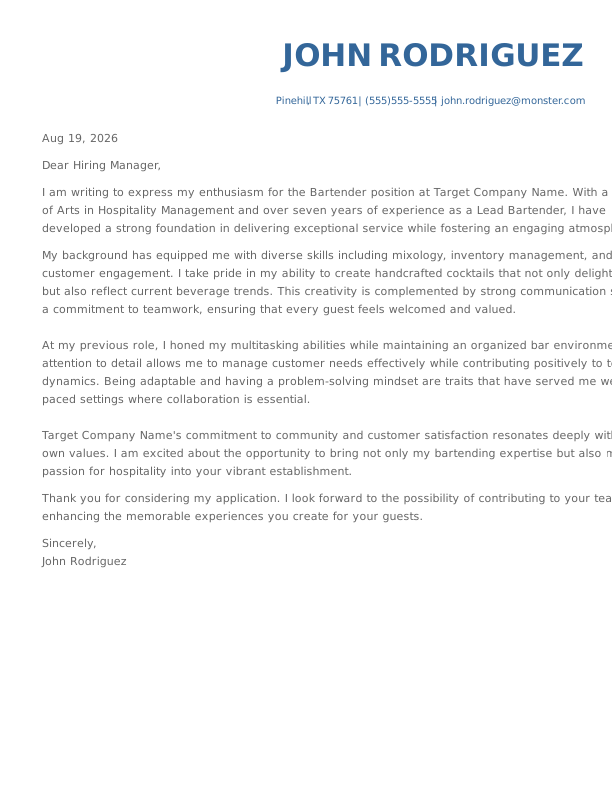
Bartender Mid-Level Cover Letter
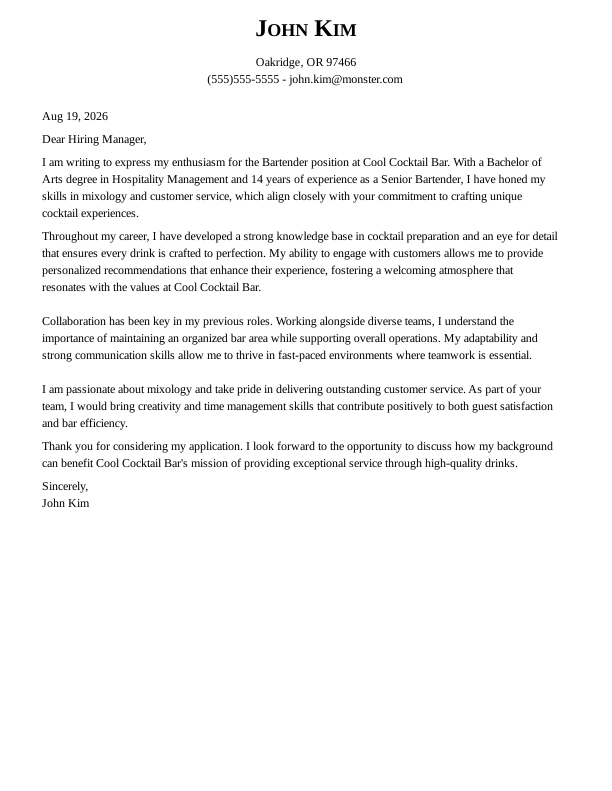
Bartender Experienced Cover Letter
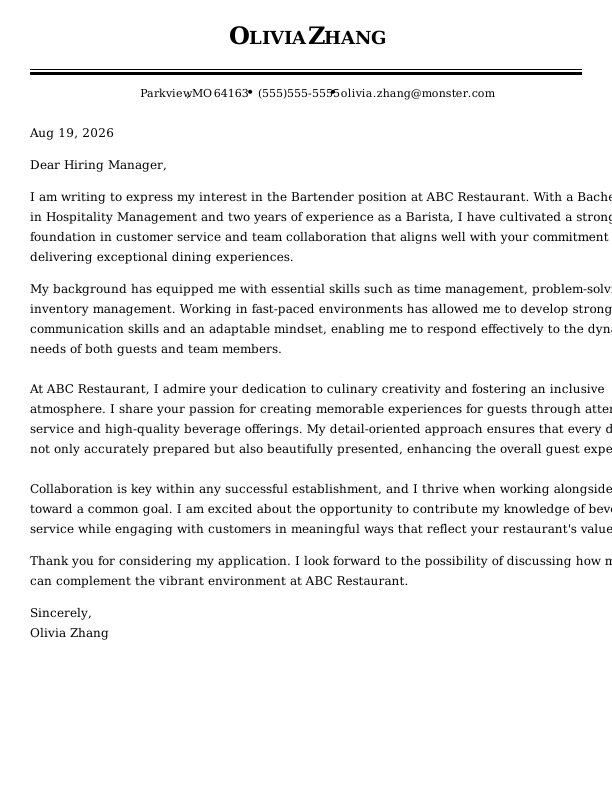
Bartender Entry-Level Cover Letter
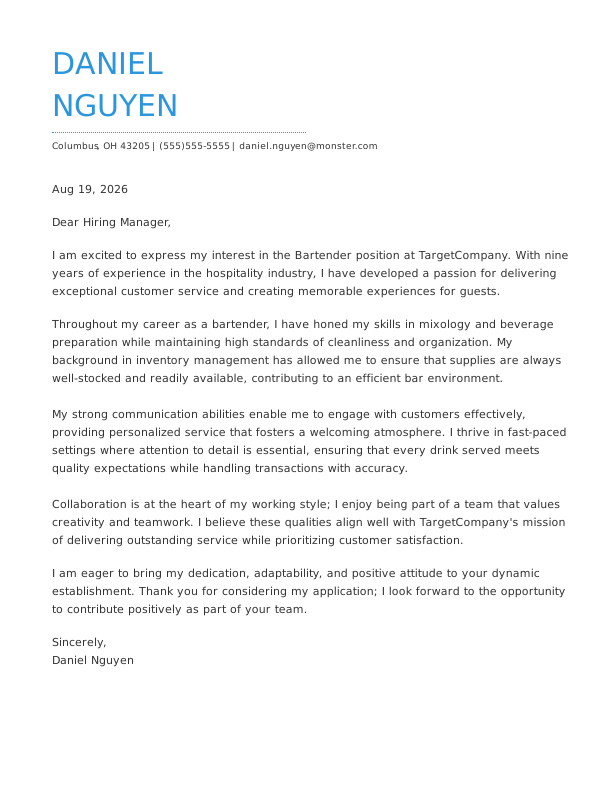
Bartender Mid-Level Cover Letter
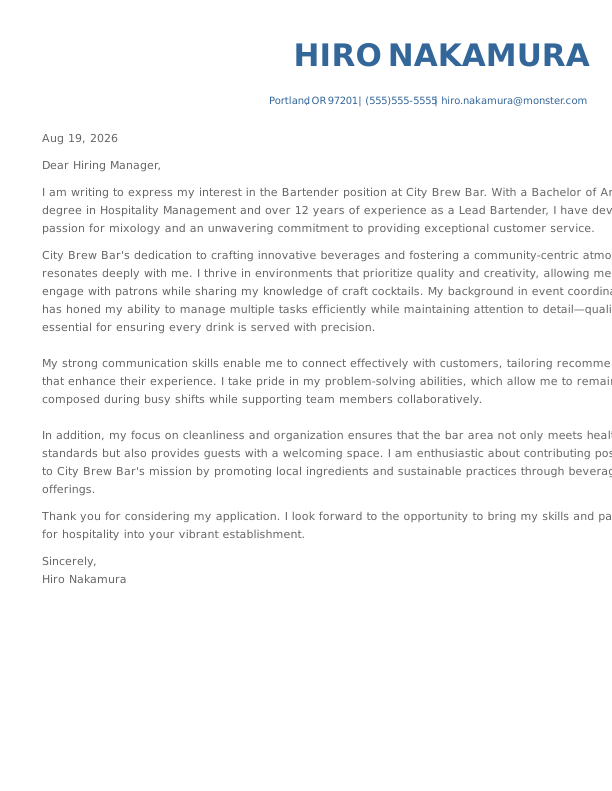
Bartender Experienced Cover Letter
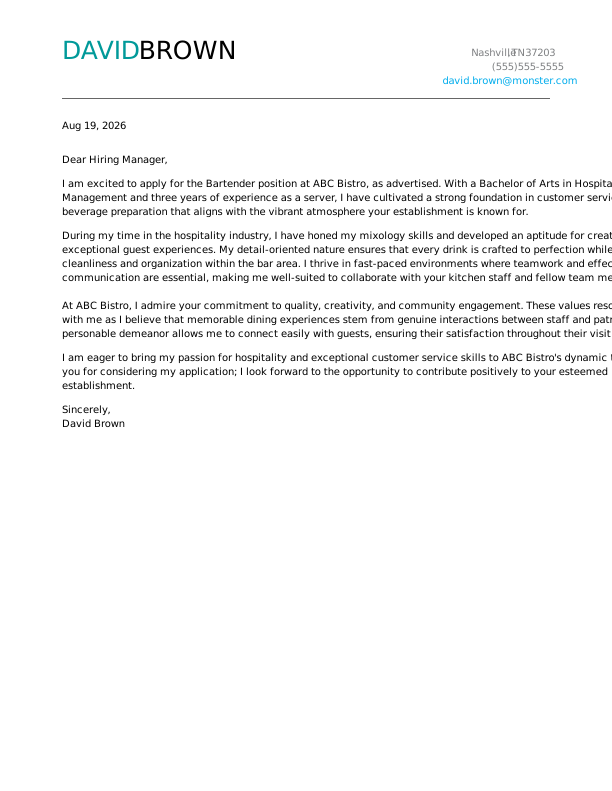
Bartender Entry-Level Cover Letter
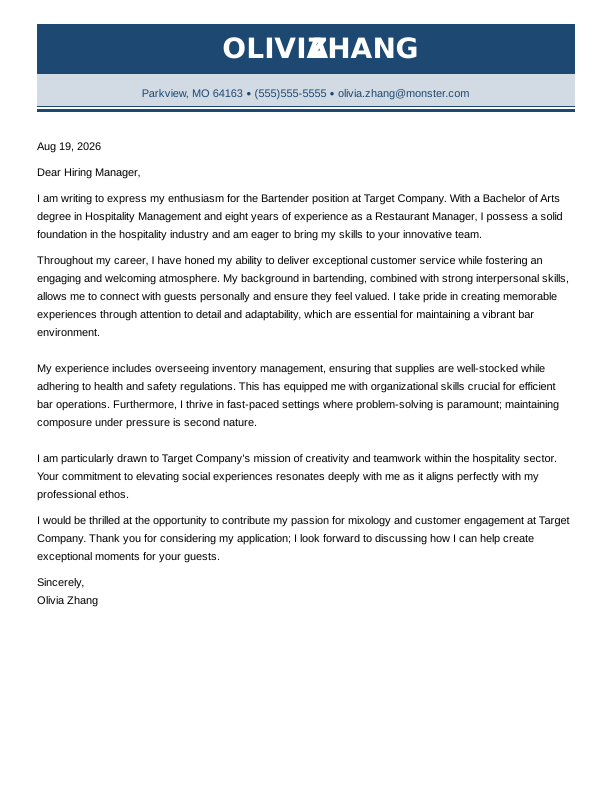
Bartender Mid-Level Cover Letter
Browse Free Cover Letter Templates
- Account Manager
- Accounts Payable
- Administrative Assistant
- Admissions Counselor
- Artist
- Babysitter
- Barista
- Bookkeeper
- Brand Ambassador
- Business Analyst
- Caregiver
- Chef
- Civil Engineering
- Computer Science
- Custodian
- Customer Service
- Dental Assistant
- Electrical Engineering
- Emt
- Engineering
- Event Coordinator
- Executive Assistant
- Finance
- Financial Analyst
- Firefighter
- Flight Attendant
- Graphic Designer
- Hair Stylist
- Healthcare
- Investment Banking
- It
- Janitor
- Journalism
- Lab Technician
- Law Clerk
- Lawyer
- Librarian
- Logistics
- Manager
- Marketing Manager
- Massage Therapist
- Mechanic
- Mechanical Engineer
- Medical Assistant
- Non Profit
- Nursing
- Office Manager
- Paralegal
- Personal Trainer
- Pharmacy Technician
- Photographer
- Physician Assistant
- Pilot
- Police Officer
- Project Manager
- Property Manager
- Receptionist
- Research Assistant
- Retail
- Sales
- Security Officer
- Social Work
- Software Engineer
- Teacher
- Teaching Assistant
- Truck Driver
- Vet Tech
- Veterinary Assistant
- Web Developer
- Welder
Cover Letter Examples for Bartenders
A bartender cover letter changes with each career stage, since hiring managers expect different evidence of skill and reliability. Use entry-level, mid-career, and experienced templates to match your background and highlight the right strengths.
Entry-Level Bartender Cover Letter
Great for recent graduates learning how to write a cover letter with no experience, this template also helps career changers transition into bartender roles from other jobs.
Mid-Career Bartender Cover Letter
An excellent choice for experienced bartenders aiming to step into lead shifts or specialized bar programs, this template showcases guest-focused service and highlights growth in inventory, speed, and team leadership.
Experienced Bartender Cover Letter
Best for senior bartenders with 10+ years of experience, this template helps applicants pursue bar lead roles or hospitality leadership positions by highlighting guest service, speed, and team coordination this template.
Bartender Cover Letter Template (Text)
Use an adaptable text template for a bartender cover letter to copy, edit, and personalize in your document or file.
Tao Lee
Parkview, MO 64156
(555)555-5555
tao.lee@monster.com
Aug 19, 2026
Dear Hiring Manager,
I am writing to express my interest in the bartender position at Skyline Bar & Grill, as advertised. With a Bachelor of Arts in Hospitality Management and five years of experience in high-volume bartending, I am excited about the opportunity to contribute to your esteemed establishment.
At my previous role, I honed my skills in mixology and customer service, developing a creative approach to drink formulation that aligns with Skyline Bar & Grill’s emphasis on innovative cocktails. My background has equipped me with strong teamwork abilities and excellent communication skills, which I believe are essential for fostering a welcoming atmosphere for patrons.
I thrive in fast-paced environments where attention to detail is paramount. My experience includes managing inventory effectively while ensuring compliance with health and safety regulations. Collaborating with kitchen staff and fellow team members has always been a priority for me, as I understand that seamless service is key to delivering memorable dining experiences.
Skyline Bar & Grill’s commitment to exceptional service resonates deeply with my values as a hospitality professional. I pride myself on being adaptable and problem-solving oriented when faced with challenges behind the bar or during busy shifts.
I look forward to the possibility of bringing my passion for hospitality and dedication to quality service to your team at Skyline Bar & Grill. Thank you for considering my application; I hope we can discuss how I can contribute positively during an interview.
Sincerely,
Tao Lee
How to Write a Bartender Cover Letter
For a bartender, understanding how to write a cover letter means showing fit with the venue through personalized details, clear storytelling about busy shifts and guest service, and proof of relevant skills like speed, cleanliness, and responsible alcohol handling. Follow the steps below to highlight your best qualifications and customize your letter for each specific bar or restaurant you’re targeting.
1. Research & Prepare
Before you start writing your cover letter, research the bar or restaurant, the bartender role, and the hiring manager. This helps you tailor your experience to their service style, guest mix, and expectations for speed, cleanliness, and drink quality.
Review the job posting for required skills like POS use, cocktail knowledge, or responsible alcohol service. Then check the venue’s website and recent posts for themes or events that shape the bar menu. Browse LinkedIn profiles to learn what the manager values in teamwork and guest experience. Use these details to personalize your letter with specific examples from past shifts.
2. Hook the Reader
Your cover letter opening matters because it sets the tone and quickly answers the hiring manager’s first question, “Why you?” A strong opener should sound like a real person behind the resume, show you understand the bar or restaurant vibe, and hint at specific skills guests notice.
Try opening with a moment you handled well during a rush. For example, mention how you kept drink orders moving during peak hours while staying friendly. Or reference the venue by name and connect your style to its craft cocktails, beer list, or signature events. You can also lead with a shift-tested strength like upselling without pressure or building regulars through great conversation.
3. Tell Your Professional Story
Your cover letter should do more than repeat your resume. Use a short story with specific moments, then add measurable results to show what changed because you were there. Hiring managers want proof, not just promises.
As a bartender, quantify wins like increased drink sales by 15% during peak hours, reduced wait times from 10 minutes to six by improving bar flow, or earned consistent top scores in guest feedback surveys. Mention how you handled rushes, coached new staff on speed and accuracy, or cut waste by tracking inventory and adjusting orders.
4. Showcase Your Skills
Match your bartender skills to what the venue actually needs, not just what you can do. Scan the posting for details like high-volume service, craft cocktails, or guest experience, then describe how you’ve handled those moments at the bar.
For example, if the venue wants fast-paced service, share a time you managed multiple drink orders while keeping tickets organized and guests informed about wait times. If it mentions signature drinks or beer and wine knowledge, name a menu item you helped refine and explain how you guided patrons on pairings based on taste preferences.
5. Explain Any Special Circumstances
If you have an employment gap, a career change, or you relocated, address it early in your cover letter. Share the reason briefly and honestly, then highlight what you gained during that time, like new training, steady practice, or improved availability. Keep the tone upbeat and focused on how those experiences support the role.
For bartending, mention how time away let you refine your cocktail basics at home or learn beer and wine pairing for local events. If you moved cities, explain how you researched the new scene and adapted to guest preferences. For a career shift, connect previous customer service work to faster table communication and calm handling of rushes.
6. End With a Professional Goodbye
Close your cover letter by reaffirming your interest in the bartender position and your enthusiasm for creating a great guest experience. Invite the hiring manager to talk with you about how you handle busy shifts, follow service standards, and keep orders accurate. Thank them for their time and consideration.
Use a closing line like, “I welcome the opportunity to discuss how my customer service skills and attention to detail can support your bar team.” End with a professional sign-off such as “Sincerely” or “Best regards.”
4 Tips for Formatting Your Cover Letter
Proper cover letter formatting helps you create a professional, easy-to-read first impression. Use clear spacing and simple structure so hiring managers can scan your message quickly. These tips apply whether you have years of experience or you’re just starting out. Avoid filler adverbs and choose direct action verbs.

Keep It to One Page
Hiring managers stay busy, so keep your cover letter concise and under one page. Aim for 250–400 words or three to four focused paragraphs that highlight the experience most relevant to bartending.

Use a Professional Font & Layout
Use professional fonts such as Arial, Calibri, Times New Roman, or Helvetica at 10 to 12 pt for a clear bartender cover letter. Set one-inch margins and match your cover letter formatting to your resume so the layout stays consistent and easy to scan.

Address the Hiring Manager Directly
When you write a bartender cover letter, try to address the hiring manager by name by checking the job posting, the bar or restaurant’s website, and LinkedIn. If you cannot find a name after reaching out to the company or using available contact details, use “Dear Hiring Manager” or “To the Hiring Team,” and skip “To Whom It May Concern,” since it can feel outdated.

Save & Send as a PDF
Save your cover letter as a PDF to preserve formatting across devices and systems. Use a professional file name that includes your name and the words “cover letter,” for example, “Sam_Lee_cover letter.pdf.”
Top-Paying States for Bartender Roles
Knowing what bartenders earn across the country helps you compare job offers, negotiate fair pay, and choose the right workplace for your career goals. The salary data below comes from the U.S. Bureau of Labor Statistics (BLS) and reflects recent nationwide averages for bartenders.
Keep in mind that your actual earnings can vary based on location, experience, certifications like responsible alcohol service training, and the type of bar or concept you work in. Bartenders at high-volume venues such as hotels, cocktail lounges, or busy downtown restaurants often make more than those in quieter neighborhood bars, and skilled mixology roles or lead bartender positions may command higher tips and pay.
| Alabama | $27,860 |
| Alaska | $37,020 |
| Arizona | $52,500 |
| Arkansas | $31,570 |
| California | $45,750 |
| Connecticut | $47,510 |
| Delaware | $39,530 |
| District of Columbia | $60,420 |
| Florida | $41,220 |
| Georgia | $30,620 |
| Hawaii | $71,570 |
| Idaho | $29,270 |
| Illinois | $35,340 |
| Indiana | $28,320 |
| Iowa | $26,650 |
| Kansas | $34,310 |
| Kentucky | $32,830 |
| Louisiana | $26,510 |
| Maine | $55,650 |
| Maryland | $43,020 |
| Massachusetts | $43,670 |
| Michigan | $46,380 |
| Minnesota | $29,590 |
| Mississippi | $33,910 |
| Missouri | $32,320 |
| Montana | $30,640 |
| Nebraska | $36,000 |
| Nevada | $32,640 |
| New Hampshire | $38,390 |
| New Jersey | $51,880 |
| New Mexico | $39,610 |
| New York | $62,080 |
| North Carolina | $37,280 |
| North Dakota | $33,140 |
| Ohio | $37,440 |
| Oklahoma | $27,120 |
| Oregon | $40,090 |
| Pennsylvania | $31,300 |
| Rhode Island | $42,390 |
| South Carolina | $25,480 |
| South Dakota | $30,990 |
| Tennessee | $29,060 |
| Texas | $35,120 |
| Utah | $38,340 |
| Vermont | $59,680 |
| Virginia | $53,400 |
| Washington | $55,450 |
| West Virginia | $36,420 |
| Wisconsin | $27,130 |
| Wyoming | $27,320 |
| Guam | $22,510 |
| Puerto Rico | $24,910 |
| Virgin Islands | $52,150 |
Key Takeaways
- Personalize each cover letter for the specific bar or restaurant. Mention the venue type, peak hours, and service style so it sees you’ve done your homework.
- Lead with a strong hook and include quantifiable wins. Note metrics like average ticket size, drink volume per shift, or zero-complaint service during busy weekends.
- Keep formatting clean and consistent with your resume. Use the same font, spacing, and contact header so hiring managers can scan quickly.
Browse Monster’s Resume Templates
Monster also has hundreds of ATS-friendly resume templates for all career levels and industries. Create a matching resume to help you land the interview.
- Agriculture
- Baker
- Banquet Server
- Bar Manager
- Barback
- Barista
- Bartender
- Busser
- Cake Decorator
- Catering
- Chef
- Cook
- Dietary Aide
- Dishwasher
- Executive Chef
- Fast Food
- Fine Dining Server
- Food And Beverage Director
- Food And Beverage Manager
- Food Runner
- Hostess
- Kitchen Manager
- Line Cook
- Mcdonald's
- Meat Cutter
- Pastry Chef
- Prep Cook
- Private Chef
- Restaurant General Manager
- Restaurant Manager
- Restaurant
- Restaurant Server
- Shift Leader
- Sommelier
- Sous Chef
- Starbucks
- Waiter
- Waitress
Frequently Asked Questions
Last Update:
Do I really need a cover letter?
Yes, you should include a cover letter even when it’s marked optional. It adds context your resume cannot, and it signals initiative and real interest in the bartender position.
A cover letter helps most when you’re shifting roles, have employment gaps, or want to highlight why this specific bar fits you. It also lets you show your personality and enthusiasm for guest service.
How long should my cover letter be?
Cover letters should be one page maximum, typically 250–400 words. Hiring managers review many applications and spend limited time on each one.
Focus on quality over quantity by including only the most relevant experience and achievements. Structure your letter in three to four concise paragraphs so each section supports a clear purpose.
Should my cover letter match my resume?
Yes, your cover letter should match your resume’s design. Use the same fonts, colors, and header style so your application package looks cohesive and intentional.
The content should complement rather than duplicate your resume. For a bartender role, expand on guest service moments, describe how you handle busy shifts or tricky orders, and add details about bar tools you use or drinks you craft that bullet points cannot fully show.
Can I use AI to write my cover letter?
AI tools like a cover letter generator can help you draft quickly, shape a clear structure, and break through writer’s block. Still, a bartender application needs personal details that only you can provide.
Use AI as a starting point, then edit heavily with your real bar experience, specific shifts or events you handled, and genuine interest in the venue. Hiring managers often spot generic AI-generated content, so make sure every line sounds like you.
Should I mention salary expectations in my cover letter as a bartender?
Only include salary expectations if the job posting asks for them. If the employer requests this information, share a researched range and add that you’re flexible based on shift schedule, tips, and experience.

Kirsten Chorpenning is a career advice writer who empowers job seekers to take control of their career paths using Monster’s comprehensive job search and resume tools. She specializes in helping job seekers find rewarding jobs in today’s dynamic work environment.
See More From Kirsten ChorpenningExplore Related Career Advice






How to Write a Cover Letter for Internal Positions or Promotions (Examples & Tips)
Updated:
Apr 23, 2026
|

19 min read


Cover Letter vs Resume: What’s the Difference & Do You Need Both?

Updated:
Apr 23, 2026
|
18 min read